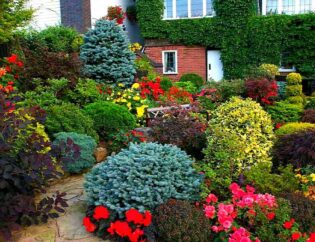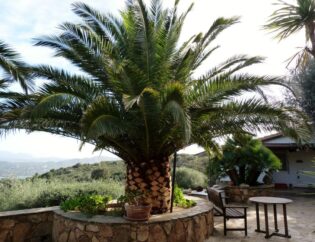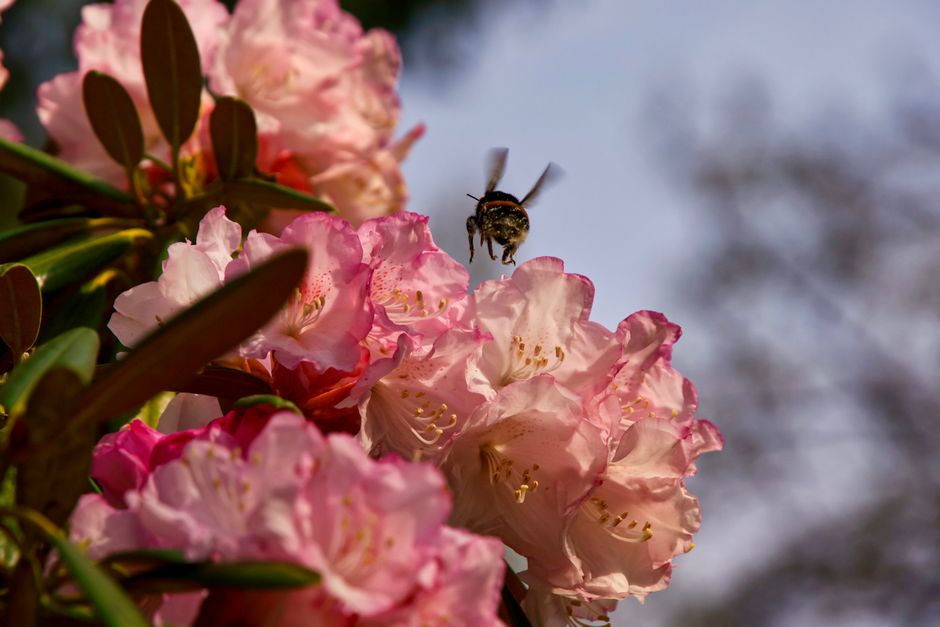
Sometimes the most meaningful garden transformations start with removing something rather than adding it. That was exactly the case for one homeowner who decided to take out a large, overgrown rhododendron that had dominated their yard for years. What happened next surprised even them — within a short time, pollinators began visiting regularly, and goldfinches moved in as if the space had been waiting for them all along.
This kind of story resonates deeply with anyone working in residential landscape design. A single plant choice, or the decision to remove one, can shift the entire ecological dynamic of a yard. And it raises a question worth thinking about: how many homeowners are holding onto plants that are quietly working against the health and vibrancy of their outdoor space?
Rhododendrons are popular in many regions, and they can be beautiful when well-placed. But large, mature specimens can cast dense shade, acidify the soil heavily, and crowd out other plants that would otherwise support local wildlife. In this homeowner’s case, the rhododendron had grown so large that it was essentially blocking light and suppressing plant diversity in the surrounding area.
Once it was removed, the yard opened up. Sunlight reached the soil. Native plants had room to establish. And the wildlife response was almost immediate. Pollinators — bees, butterflies, and other beneficial insects — began visiting the space. Goldfinches, which are attracted to seed-producing native plants, followed shortly after.
This is a pattern that landscape designers see regularly. Removing a dominant, low-value plant and replacing it with a thoughtful native plant garden design can do more for a yard’s ecological health than almost any other single intervention. Native plants support local food webs in ways that ornamental exotics simply cannot match.
Martin Palma, founder and CEO of Ecolandscape Studio, has observed this dynamic across many residential projects. In his experience, homeowners often feel hesitant to remove a large established plant, even when it is clearly the right call from a design and ecology standpoint. Once they do, the results tend to speak for themselves — more light, more plant diversity, and noticeably more wildlife activity within a single growing season.
The practical lesson here extends well beyond one homeowner’s experience. If your front yard or backyard has a large shrub or tree that is shading out everything around it, limiting your planting design options, and offering little to local wildlife, it may be worth reconsidering its place in your landscape.
Replacing a space-hogging ornamental with a mix of native flowering plants, grasses, or shrubs can support a pollinator garden design that attracts bees, butterflies, and birds throughout the growing season. Many native plants also qualify as low maintenance garden design choices, since they are adapted to local soil and rainfall conditions and require far less intervention once established.
For homeowners thinking about drought tolerant garden design or water wise landscaping, native plants are a natural fit. They tend to have deeper root systems, handle dry periods better than many ornamentals, and reduce the need for supplemental irrigation over time. This aligns well with xeriscape garden design principles, which prioritize plants that thrive with minimal water input.
If you are working with a small backyard design, the removal of one oversized shrub can genuinely open up the space and give you room to create a layered planting scheme that works visually and ecologically. Pair that with thoughtful garden edging ideas and some landscape lighting ideas, and a formerly dark, underused corner can become one of the most appealing parts of your outdoor living space design.
The goldfinches and pollinators that moved into this homeowner’s yard were not there by accident. They were responding to a habitat that suddenly offered what they needed — open space, sunlight, and plants that produce seeds and nectar. That is the kind of outcome that good planting design can reliably deliver, and it starts with being willing to look critically at what is already in your yard.
If you are planning a garden refresh or a more significant landscape redesign, consider starting with an honest assessment of your existing plants. Ask which ones are earning their space and which ones are simply taking it up. Sometimes the most effective backyard landscaping idea is not about what you plant next, but about what you choose to remove first.