There is something quietly fascinating happening in residential landscape design right now. Homeowners and designers are reaching back to mid-century ideas — not out of nostalgia, but because those older approaches happen to align remarkably well with what modern yards actually need. The garden design trends gaining momentum today borrow heavily from the 1960s, a decade when low maintenance garden design, native plant garden design, and practical outdoor living space design were not just fashionable but genuinely functional.
The shift is being driven by climate pressure. Droughts, water restrictions, extreme heat, and unpredictable rainfall have pushed homeowners to rethink what a yard should look like and how it should perform. The result is a growing interest in xeriscape garden design, drought tolerant garden design, and water wise landscaping — all of which echo the plant-forward, resource-conscious thinking that defined landscape design decades ago.
Mid-century landscape design leaned into simplicity. Front yard landscaping ideas from that era often featured low-growing ground covers instead of thirsty turf, naturalistic planting arrangements, and a preference for plants that could handle local conditions without constant intervention. Lawn alternatives were common, not because they were trendy, but because they were practical.
That same logic is returning. Designers are replacing traditional grass lawns with clover, creeping thyme, sedge, and native meadow mixes. These lawn alternatives reduce water use, require less mowing, and support pollinators — making them a natural fit for pollinator garden design and sustainable landscaping goals. Rain garden design is also gaining ground, using shallow planted depressions to capture and filter stormwater the way natural landscapes always did.
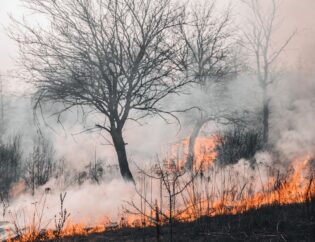
Fire resistant landscaping is another area where older ideas are proving relevant again. In regions prone to wildfire, the 1960s approach of keeping plants spaced, using gravel and stone as ground cover, and selecting low-moisture species is now being treated as a serious design strategy rather than an aesthetic choice.
Martin Palma, founder and CEO of Ecolandscape Studio, has observed this pattern directly in his work with residential clients. He notes that many of the planting design principles his team now recommends — spacing plants generously, choosing species adapted to local rainfall, reducing lawn coverage — are ideas that experienced gardeners from earlier generations already understood intuitively. The difference today is that climate data and water costs are making those choices feel urgent rather than optional.
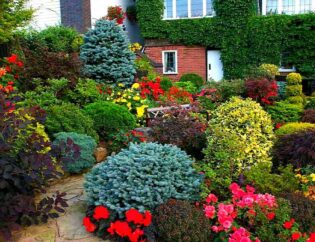
Backyard landscaping ideas rooted in this revival tend to focus on structure, texture, and plant selection over elaborate hardscaping. A small backyard design, for example, benefits from layered planting — taller shrubs at the back, mid-height perennials in the middle, and low ground covers at the edges — which creates visual depth without requiring a large footprint or high maintenance.
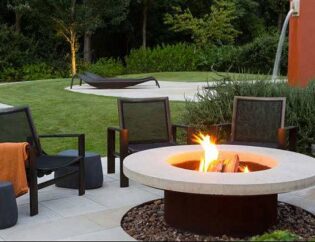
Patio landscaping ideas from this era also emphasized integration with the surrounding garden rather than separation from it. Permeable surfaces, planted borders along edges, and garden edging ideas that blur the line between hardscape and softscape are all making a comeback. These choices support water wise landscaping by allowing rain to soak into the ground rather than running off into storm drains.
Landscape lighting ideas have evolved significantly since the 1960s, but the underlying principle of subtle, functional lighting that highlights plants and pathways without overwhelming the space remains the same. Modern LED systems make it easier to achieve that effect with far less energy.
Privacy landscaping is another area where mid-century thinking offers useful guidance. Instead of solid fences, designers are returning to dense plantings of native shrubs and ornamental grasses that provide screening while also supporting local wildlife. This approach fits naturally within native plant garden design and adds seasonal interest that a fence simply cannot offer.
For homeowners thinking about yard landscaping design in a climate-conscious direction, the practical takeaway is straightforward. Start by reducing the area of traditional lawn and replacing it with drought tolerant ground covers or native plantings. Consider how water moves through your property and whether a rain garden design could help manage runoff. Choose plants that are suited to your local climate rather than plants that require supplemental irrigation to survive.
Modern garden design does not have to mean starting from scratch or following every new trend. Some of the most effective outdoor living space design decisions come from revisiting what worked before — and understanding why it worked. The 1960s were not a golden age of landscaping, but they produced a set of ideas grounded in practicality and regional awareness that translate well to the challenges homeowners face today. That combination of historical perspective and climate-first thinking is exactly what Ecolandscape Studio brings to residential landscape design projects, and it is what makes this particular design revival worth paying attention to.