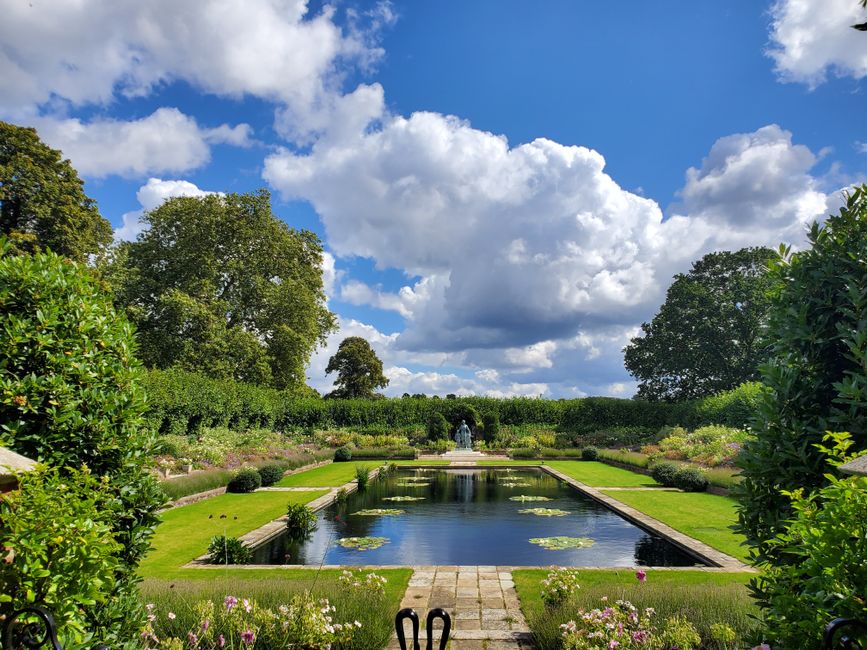
A beloved public garden in East Hampton is getting a second life. The historic sunken garden at the Ladies Village Improvement Society, known locally as LVIS, is set to reopen in August following a careful and considered redesign. For anyone who follows garden design trends or simply loves a well-planned outdoor space, this project is worth paying attention to — not just as a local story, but as a practical example of how historic landscapes can be brought back with purpose and sensitivity.
The LVIS sunken garden has been a fixture of the East Hampton community for generations. After years of wear and changing conditions, the space needed more than routine maintenance. The redesign focused on preserving the garden’s original character while updating its planting design and structural elements to meet the needs of today’s visitors and the local environment. The result is a refreshed outdoor living space that respects its roots while looking forward.
Sunken gardens are a classic form of residential and public landscape design. By sitting below the surrounding grade, they create a natural sense of enclosure and shelter, which makes them feel intimate and calm even in busy settings. They also offer excellent opportunities for layered planting design, where taller plants at the edges frame lower plantings in the center, creating visual depth and a sense of discovery as you step down into the space.
In the LVIS redesign, the team worked to restore that sense of enclosure while updating the plant palette. Native plant garden design played a meaningful role in the updated approach, with selections chosen to support local pollinators and reduce long-term maintenance demands. This aligns with a broader shift in residential landscape design toward low maintenance garden design and drought tolerant garden design — choices that look beautiful but also make practical sense for the climate and soil conditions of Long Island.
The project also addressed garden edging ideas and structural elements that had deteriorated over time. Clean, well-defined edges are one of those details that quietly hold a garden together. When edging breaks down, the whole space starts to feel untidy, even if the plants themselves are healthy. Restoring these lines was a key part of bringing the garden back to its original dignity.
Martin Palma, founder and CEO of Ecolandscape Studio, has worked on several restoration-style projects and often points out that the hardest part of redesigning a historic garden is knowing what to keep. In his experience, the instinct is often to start fresh, but the most successful outcomes come from reading the original design carefully — understanding why certain decisions were made and which elements still serve the space well before changing anything.
The LVIS project offers a few practical takeaways for anyone thinking about their own yard landscaping design or backyard landscaping ideas. First, a redesign does not have to mean starting from scratch. Existing structures, mature plants and established pathways often have real value, both aesthetically and ecologically. Working with what is already there tends to produce more grounded and livable results than a complete overhaul.
Second, planting for the local environment pays off. The shift toward native plant garden design and pollinator garden design is not just a trend — it reflects a genuine understanding of how plants perform over time. Native species are adapted to local rainfall patterns, soil types and seasonal conditions, which means they typically require less supplemental watering and fewer interventions once established. For homeowners exploring water wise landscaping or xeriscape garden design, native plants are often the most reliable starting point.
Third, lighting matters more than most people expect. Landscape lighting ideas are often treated as an afterthought, but thoughtful lighting extends the usability of any outdoor living space design well into the evening and adds a layer of safety and atmosphere that transforms how a garden feels after dark. The LVIS restoration considered how the space would be experienced at different times of day, which is a habit worth borrowing for any home garden design project.
For those working with a small backyard design or a modest front yard landscaping project, the principles are the same. Define your edges clearly, choose plants that suit your climate, think about how the space will be used across seasons, and resist the urge to fill every corner. Restraint in planting design almost always produces a more elegant result than abundance for its own sake.
The reopening of the LVIS sunken garden in August will give the East Hampton community a chance to experience a thoughtfully restored landscape that balances history with practicality. For the rest of us, it is a reminder that good landscape design is rarely about dramatic gestures. It is about careful observation, honest choices and a genuine respect for the place you are working with — whether that place is a century-old public garden or your own backyard.