The quality of any landscape begins long before ornamental plants are selected or a lawn is installed. It starts with the condition of the soil that supports the entire living system of the garden. Martin Palma, founder and CEO of Ecolandscape Studio, analyzes soil as the primary resource that determines plant nutrition, water movement, air circulation, and the healthy development of root systems. Even the highest quality planting material cannot thrive in exhausted, compacted, or waterlogged ground. For this reason, professional site preparation always begins with a detailed assessment of soil composition, acidity, structure, and its ability to retain the right amount of moisture.
Before any planting work begins, it is essential to understand the characteristics of the existing soil. Sandy soils drain rapidly but retain very few nutrients, while heavy clay tends to accumulate excess moisture and restrict oxygen circulation. Some properties also contain construction fill with compacted layers, lime residues, or other materials that prevent roots from developing properly. At Ecolandscape Studio, we analyze not only the fertile surface layer but also the deeper soil profile because replacing only a thin upper layer rarely solves structural problems over the long term.
Soil composition should always be improved according to the future function of each landscape area. Flower beds require loose, nutrient rich growing media, trees benefit from stable and well drained soil, while lawns need an even foundation capable of retaining moisture without becoming compacted after rainfall. Organic matter increases fertility, sand improves the structure of heavy soils, and mineral amendments help create long term stability. Every adjustment should be carefully planned because excessive or poorly balanced applications of fertilizers and soil conditioners can disturb natural equilibrium instead of improving it.
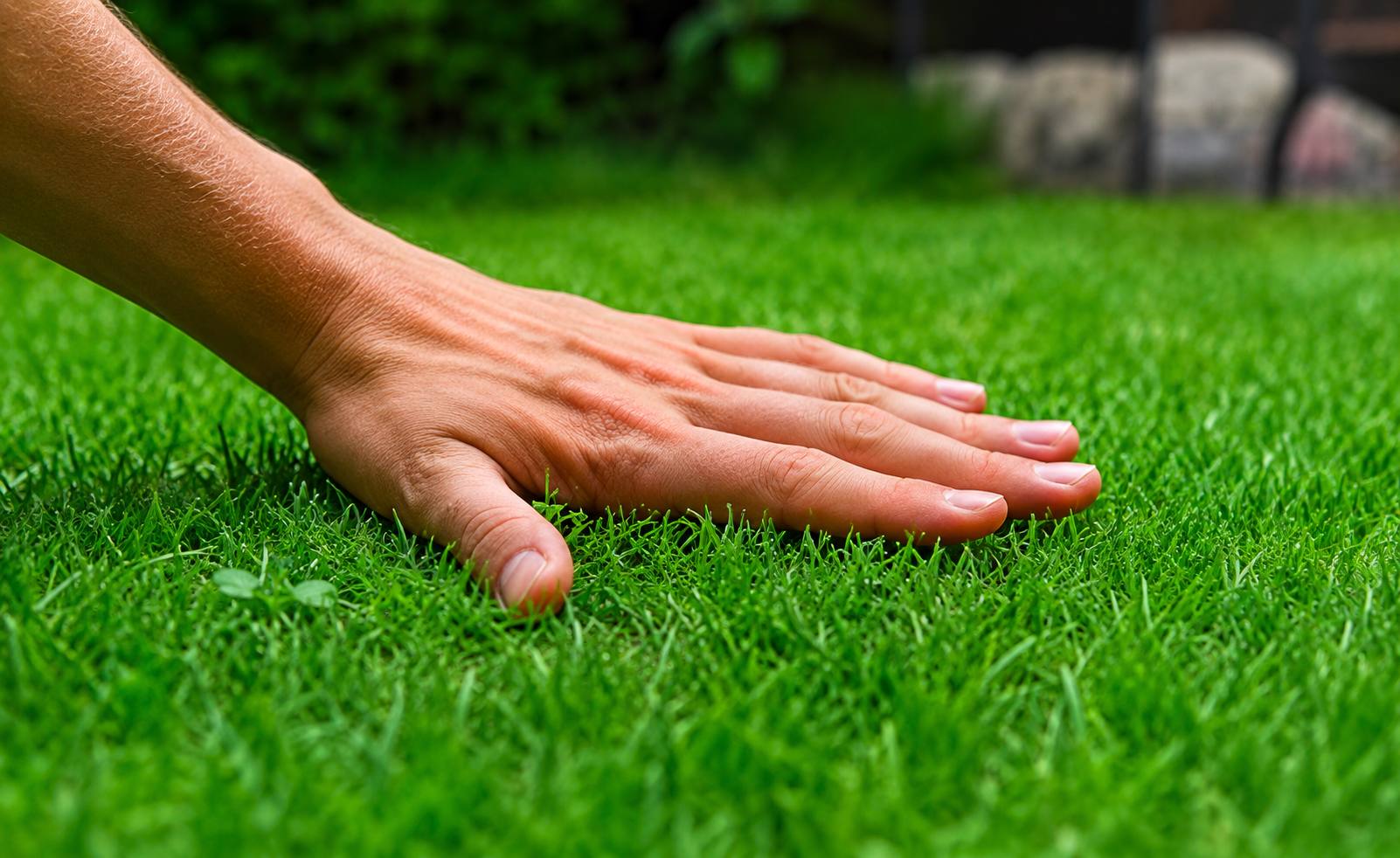
A lawn often appears to be one of the simplest elements within a landscape, although its successful establishment requires remarkable precision. Before seeding or installing turf, the soil must be cleaned, graded, compacted, and shaped to ensure proper drainage. Uneven ground leads to standing water, dry patches, and visible irregularities after mowing. Specialists at Ecolandscape Studio note that selecting the appropriate grass mixture should always reflect sunlight exposure, expected foot traffic, local climate, and maintenance requirements. Grass varieties intended for sunny locations rarely perform well in shade, while ornamental lawns are unsuitable for areas frequently used by children or pets.
Once the lawn has been established, consistent maintenance becomes the primary priority. Mowing height directly influences turf density and its resistance to heat, while irrigation schedules should correspond to seasonal conditions and root development. Frequent shallow watering creates a weak and dependent root system, whereas deeper but less frequent irrigation encourages stronger and healthier root growth. During spring, aeration and thatch removal improve soil ventilation. Throughout summer, moisture levels require careful monitoring, while autumn maintenance focuses on repairing damaged areas and preparing the lawn for the dormant season.
Mulching complements proper soil management by creating more stable growing conditions for ornamental plants. A protective layer of bark, wood chips, gravel, or other materials reduces moisture evaporation, prevents excessive soil heating, and suppresses weed growth. Organic mulches gradually decompose and improve soil quality over time, while mineral materials maintain their appearance longer and are particularly suitable for contemporary landscape designs. The most appropriate solution depends on the design style, plant selection, and long term maintenance strategy because no single material performs equally well throughout every part of a landscape.
Determining the correct thickness of the mulch layer is equally important. A layer that is too thin quickly loses its protective function, while excessive thickness can trap unnecessary moisture and reduce oxygen availability around the root system. Mulch should never touch the trunks of trees or the bases of shrubs because prolonged moisture in these areas increases the risk of damage. Before applying mulch, the soil should be cleaned, properly watered, and improved whenever necessary. Otherwise, decorative covering simply conceals existing problems instead of solving them.
The relationship between healthy soil, a well established lawn, and properly applied mulch becomes increasingly evident over time. Prepared soil retains nutrients more efficiently, lawns maintain consistent density, and planting areas require less irrigation and fewer weed control measures. We believe that reducing investment during these essential preparation stages often leads to ongoing expenses associated with replacing plants, restoring damaged areas, and correcting avoidable mistakes. A properly constructed foundation, by contrast, reduces long term maintenance while supporting the natural development of the landscape.
A healthy landscape functions as one integrated system where every layer contributes to long term stability. At Ecolandscape Studio, we see soil preparation, lawn establishment, and mulching not as secondary tasks but as the foundation of every successful landscape project. Careful soil analysis, thoughtful grass selection, efficient moisture management, and well designed protective ground cover create outdoor spaces that remain visually attractive, support vigorous plant growth, and continue to perform naturally without requiring constant and costly intervention.









