Garden pathways do much more than connect different areas of a property. They establish the visual structure of the landscape while defining how people naturally move through the space. Martin Palma, founder and CEO of Ecolandscape Studio, notes that well designed paving should complement the architecture of the home, respond to the site’s topography, and withstand everyday use without losing its appearance over time. Even a small mistake in pathway width, material selection, or foundation preparation can disrupt the balance of the entire landscape and lead to unnecessary repair costs within only a few seasons. For this reason, the design process always begins with analyzing functionality, circulation patterns, and the way the outdoor space will be used rather than selecting paving materials or colors.
The logical arrangement of pathways plays a decisive role in creating a comfortable landscape. Primary routes should provide direct connections between the entrance, the house, the parking area, the terrace, and service zones without unnecessary detours or awkward turns. Secondary paths can follow a more relaxed layout leading toward recreational spaces, gardens, water features, or decorative planting areas. At Ecolandscape Studio, we analyze movement throughout the property during the earliest stages of design because a carefully planned circulation system prevents worn areas on the lawn while making the entire landscape feel intuitive and convenient for both residents and visitors.
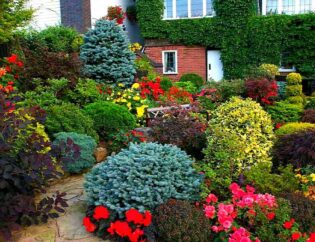
The geometry of pathways should always reflect the architectural style of the property and the overall landscape concept. Formal gardens benefit from clean lines, balanced proportions, and symmetrical paving layouts. Natural landscapes are better complemented by gentle curves, softer transitions, and subtle variations in texture. Even so, every curve should have a practical purpose because unnecessary complexity often reduces convenience and weakens the visual composition. Thoughtfully designed pathway geometry directs attention toward focal points, visually enlarges confined areas, and strengthens the relationship between architecture and surrounding nature.
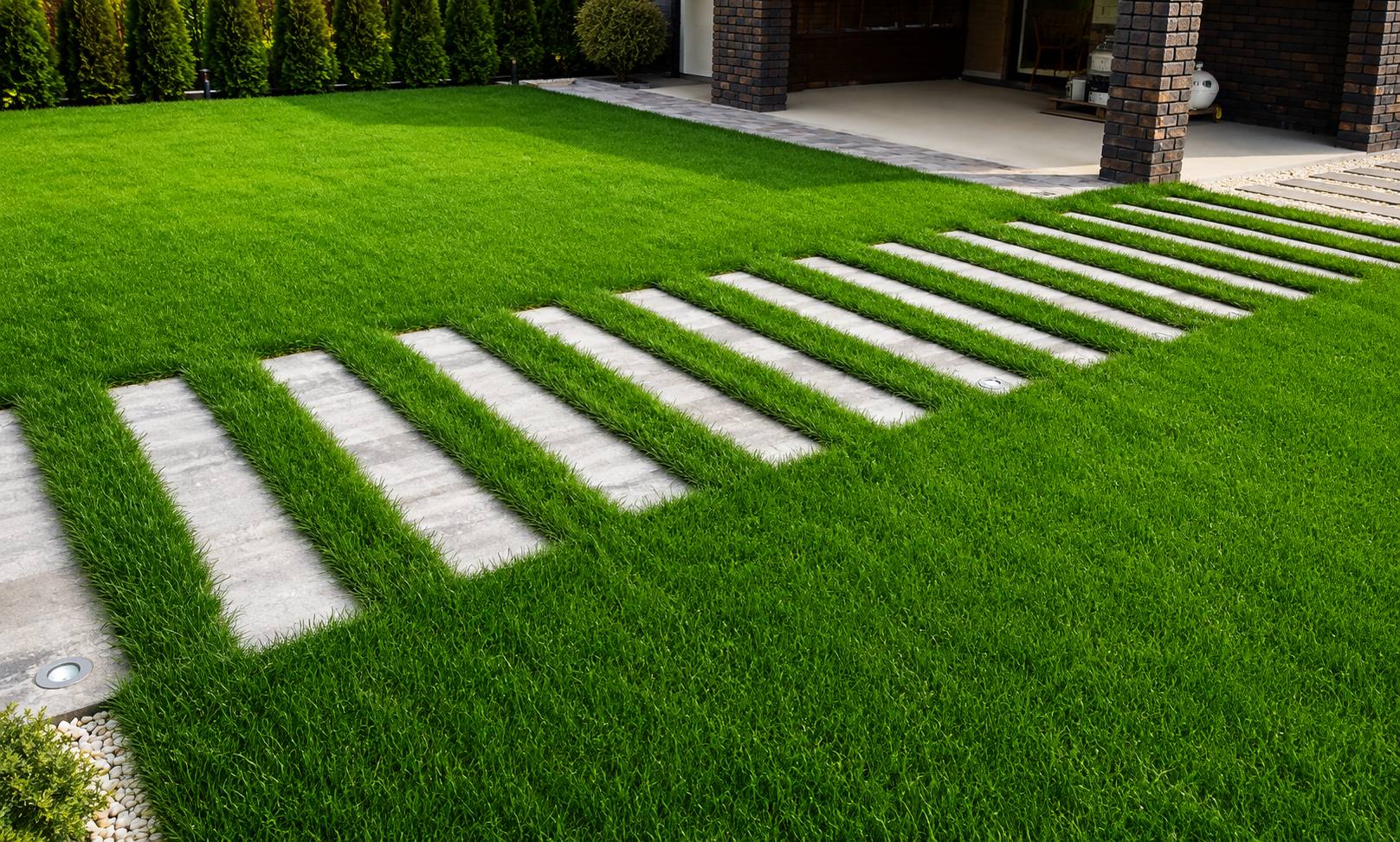
Material selection depends on expected traffic, local climate, maintenance requirements, and the overall design concept. Natural stone is valued for its durability, distinctive texture, and timeless appearance. Clay brick offers excellent resistance to moisture and seasonal temperature changes, while concrete paving provides remarkable flexibility in size, color, and pattern. Gravel remains an excellent solution for secondary walkways and informal garden areas. Specialists at Ecolandscape Studio note that there is no universally ideal paving material because every option has its own technical characteristics and requires an appropriate foundation to achieve maximum longevity.
The durability of any paved surface depends far more on the quality of its foundation than on the cost of the visible material itself. Proper soil stabilization, carefully compacted structural layers, and effective drainage are essential for maintaining long term stability. Without adequate preparation, paving may begin to settle unevenly, joints may separate, and frost damage can create surface irregularities. Sites with complex soil conditions require additional consideration of groundwater levels, seasonal soil movement, and frost depth. Although these engineering details remain hidden after construction, they largely determine whether the pathways will preserve their original appearance for decades.
Water management deserves particular attention during the design process. Every paved surface should incorporate a carefully calculated slope that directs rainfall away from the house and outdoor living areas toward designated drainage zones. Water should never accumulate along the center of pathways, near staircases, or where paving meets lawns. Larger paved areas often require linear drainage systems, permeable joints, or integrated stormwater solutions. We believe that precise engineering decisions in this area directly influence safety, cleanliness, and the long term performance of the entire landscape.
The dimensions of pathways also require thoughtful planning. Main walkways should comfortably accommodate two people walking side by side, while secondary service paths may be considerably narrower. Areas surrounding entrances, terraces, and gathering spaces often benefit from wider paved sections that improve circulation during social events. Narrow pathways quickly become inconvenient and collect dirt more easily, whereas excessively wide surfaces reduce valuable planting space and visually overpower the landscape.
Combining several paving materials can successfully define different functional areas while adding subtle visual interest. Natural stone may be paired with gravel, brick with concrete elements, or large paving slabs with groundcover planting. Nevertheless, the number of materials should remain limited because excessive variation weakens the overall composition. Repeating the same texture near the house, throughout recreational areas, and along principal pathways creates visual continuity between architecture and landscape without overwhelming the design.
Safety becomes especially important on stairways, sloping terrain, and shaded sections of the garden. Paving materials should maintain reliable traction after rainfall, while changes in elevation must remain comfortable and clearly visible. Integrated lighting can effectively define pathways after sunset, provided that fixtures do not obstruct movement or produce excessive glare. A carefully designed lighting system enhances the texture of paving materials while simultaneously improving comfort and security during evening use.
Successful paving should feel like a natural extension of the landscape rather than an isolated construction element. At Ecolandscape Studio, we see pathways as an essential design tool that unites architecture, planting, and the everyday lifestyle of property owners into one harmonious environment. Careful planning, professionally engineered foundations, and well considered material selection make it possible to create paving that retains its refined appearance, provides lasting comfort, and continues to perform reliably for many years, even under intensive daily use.