Something is changing in the way people think about their outdoor spaces. Search data and gardening platform activity from recent months point to a clear pattern: homeowners are paying more attention to balconies, growing their own food, and rethinking what a well-designed garden actually looks like. These shifts are not random. They reflect a broader change in how people relate to their homes and the land around them.
Balcony revamps have seen a notable spike in interest, particularly among urban residents who want to create a functional outdoor living space design without access to a full yard. People are searching for ways to turn small balconies into green retreats — with container planting, vertical gardens, and compact seating arrangements. This is a meaningful signal for anyone working in residential landscape design, because it shows that outdoor comfort is no longer reserved for those with large properties.
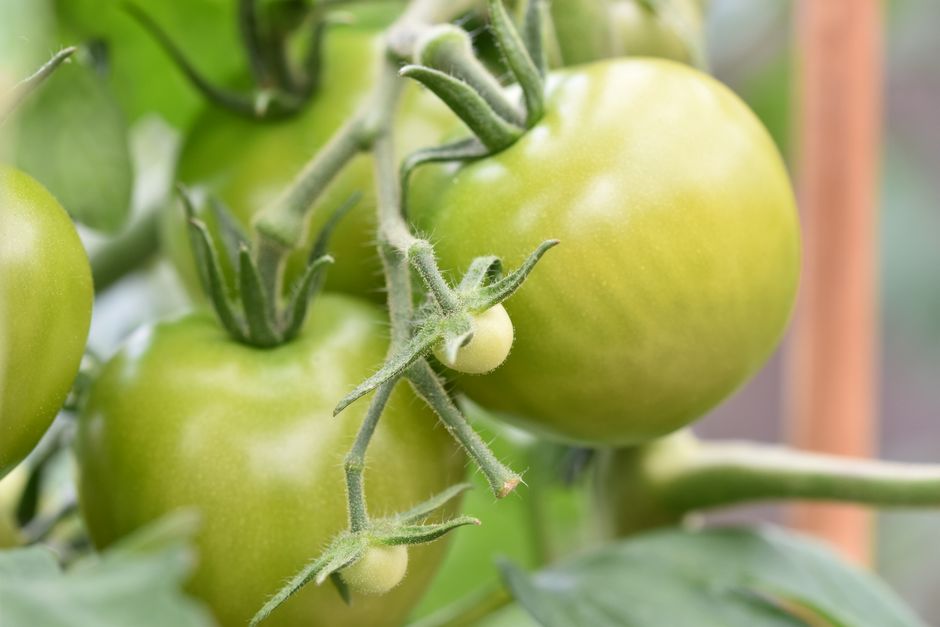
Tomato growing has emerged as one of the most searched gardening topics in recent months. This connects directly to a wider interest in edible home garden design, where people want their yards and balconies to produce something useful. The appeal is practical: growing food at home reduces grocery costs, encourages time outdoors, and gives people a sense of connection to what they eat. For landscape designers, this means more clients are asking how to blend vegetable beds into their overall yard landscaping design without sacrificing visual appeal.
Native plant garden design and pollinator garden design are also gaining traction. Homeowners are increasingly aware that a beautiful garden can also support local ecosystems. Searches for low maintenance garden design and drought tolerant garden design continue to grow, especially in regions where water restrictions are becoming more common. Water wise landscaping and xeriscape garden design are no longer niche interests — they are becoming standard expectations for new garden projects.
Martin Palma, founder and CEO of Ecolandscape Studio, has observed this shift firsthand across client consultations. In his experience, people are arriving at initial meetings with much more specific ideas than they had a few years ago. They have already researched lawn alternatives, looked into rain garden design, and thought about fire resistant landscaping. The conversation has moved from «what should I plant» to «how do I build something that works long-term with less effort.» That change in mindset makes the design process more collaborative and ultimately leads to better results for the property.
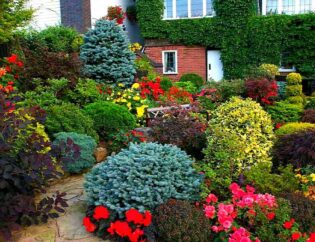
Front yard landscaping ideas are evolving too. The traditional grass lawn is being replaced by layered planting design that combines ground covers, ornamental grasses, and flowering perennials. Garden edging ideas have become a popular search category on their own, which suggests that people want their yards to look intentional and well-organized even with minimal planting. A clean edge between a planted bed and a path can transform the entire feel of a front yard without requiring a major renovation.
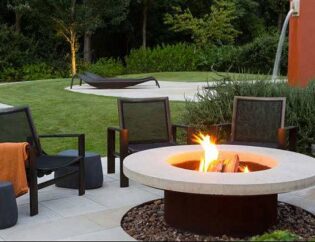
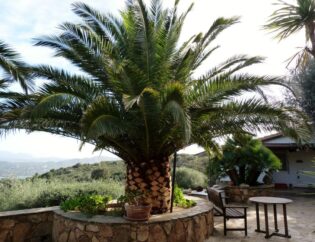
Patio landscaping ideas and landscape lighting ideas are drawing attention from homeowners who want to extend the usability of their outdoor spaces into the evening. A well-lit patio with comfortable planting around it becomes an outdoor room rather than just a surface. Small backyard design is another area where creativity is clearly growing — people are finding ways to include seating, planting, and even water features in spaces that might have seemed too limited before.
Privacy landscaping is also appearing more frequently in searches, reflecting a desire for outdoor spaces that feel sheltered and personal. Whether through tall grasses, layered shrubs, or trellised climbing plants, homeowners want their gardens to feel like extensions of their living space rather than open, exposed patches of ground.
The overall picture that emerges from these trends is one of intentionality. People are not just looking for something that looks nice in a photo. They want outdoor spaces that serve a purpose — whether that is growing food, supporting wildlife, saving water, or simply providing a place to sit and breathe. Modern garden design is moving toward solutions that are both beautiful and genuinely functional.
For anyone planning a garden update this season, the most useful starting point is to think about how you actually want to use the space. From there, choices about planting, materials, and layout become much easier to make. Working with a landscape designer who understands both the aesthetic and the ecological side of outdoor spaces can help you avoid common mistakes and build something that holds up well over time. The trends are pointing in a clear direction — toward gardens that are smarter, greener, and more connected to the way people actually live.