Water-wise landscaping is becoming one of the most practical choices a homeowner can make, especially in Southern California where water costs are high and drought conditions are a recurring reality. Rosemead residents now have a concrete opportunity to act on that shift, thanks to a rain garden design workshop that comes with a 30% discount on professional design services. The event is organized in partnership with PBS SoCal and brings together landscape design expertise with real community benefit.
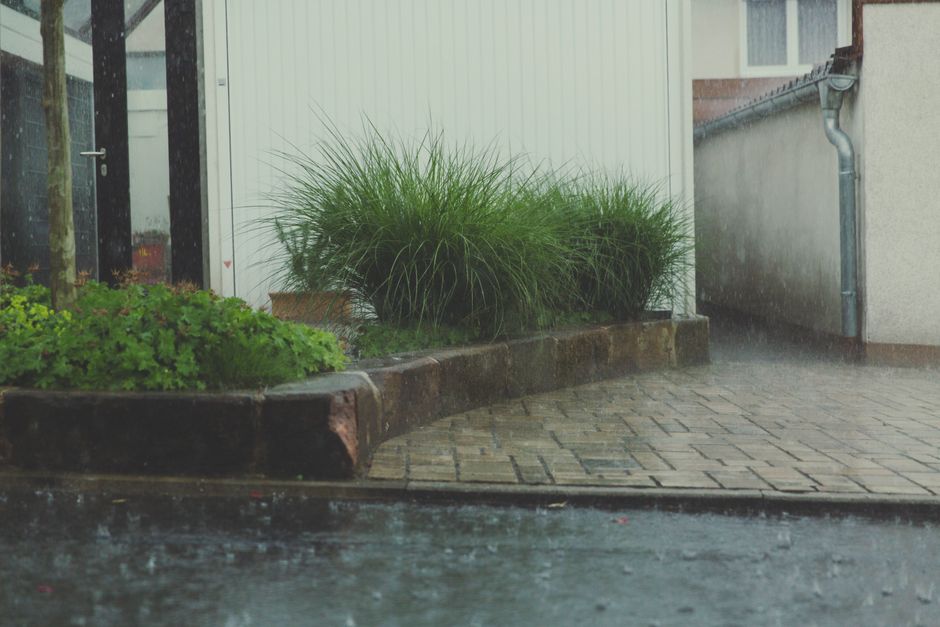
Rain gardens are one of the most functional and visually rewarding additions to any residential landscape design. They are shallow, planted depressions that collect and absorb stormwater runoff from rooftops, driveways, and paved surfaces. Instead of letting that water rush into storm drains, a well-designed rain garden filters it naturally through soil and plant roots. The result is a yard that manages water on-site, reduces erosion, supports native plant garden design, and creates a habitat for pollinators.
The workshop is designed to walk participants through the full process of planning a rain garden for their specific property. Attendees learn how to assess their yard’s drainage patterns, choose the right location for a rain garden, and select plants that thrive in both wet and dry conditions. This is especially relevant for Southern California gardens, where plants need to handle seasonal flooding during rain events and then survive dry spells without constant irrigation.
The 30% discount on design services makes professional help genuinely accessible. Homeowners who attend the workshop can apply that discount toward a full yard landscaping design consultation, which means they get expert guidance on placement, grading, plant selection, and integration with the rest of their outdoor living space. For anyone who has been considering a low maintenance garden design or wants to move away from a traditional lawn, this is a practical entry point.
The workshop also covers how rain gardens fit into broader landscape design trends, including xeriscape garden design, drought tolerant garden design, and water wise landscaping. These approaches are not just about saving water. They reduce the time and money spent on maintenance, create more resilient planting design, and often improve the overall appearance of a front yard or backyard more than a conventional lawn ever could.
Martin Palma, founder and CEO of Ecolandscape Studio, has worked on numerous water-sensitive residential projects across Southern California and points out that the biggest mistake homeowners make is treating a rain garden as a purely functional feature. In his experience, the most successful rain garden designs are the ones where the drainage function is completely invisible to the eye, and what the homeowner sees is a beautiful planted area with texture, seasonal color, and movement. Getting that balance right requires planning from the start, not retrofitting plants into a drainage ditch after the fact.
Events like this one reflect a larger shift in how communities and homeowners are thinking about yard landscaping design. The traditional grass lawn is losing ground, literally and figuratively, to lawn alternatives that perform better in dry climates, support local ecosystems, and require far less water and upkeep. Rain gardens are one of the most effective tools in that transition because they solve a real drainage problem while adding genuine beauty to a property.
For homeowners in Rosemead and surrounding areas, the combination of a free educational workshop and a discounted design consultation removes two of the most common barriers to getting started: not knowing where to begin and not wanting to pay full price for something unfamiliar. Attending the workshop gives participants enough knowledge to have a productive conversation with a landscape designer and make confident decisions about their own property.
If you are thinking about improving your backyard landscaping, reducing your water bill, or simply making your outdoor space more functional and attractive, a rain garden is worth serious consideration. It works well in small backyard design contexts, integrates naturally with pollinator garden design, and pairs beautifully with native plants that are already adapted to local conditions.
The practical takeaway is straightforward. Attend the workshop, take notes on how your specific yard drains, and use the 30% design discount to get a professional set of eyes on your property. A landscape designer can identify opportunities you might miss on your own and help you avoid the common mistakes that make rain gardens underperform. Good planting design and proper grading make all the difference between a rain garden that works and one that just sits there looking like a muddy patch after every storm.