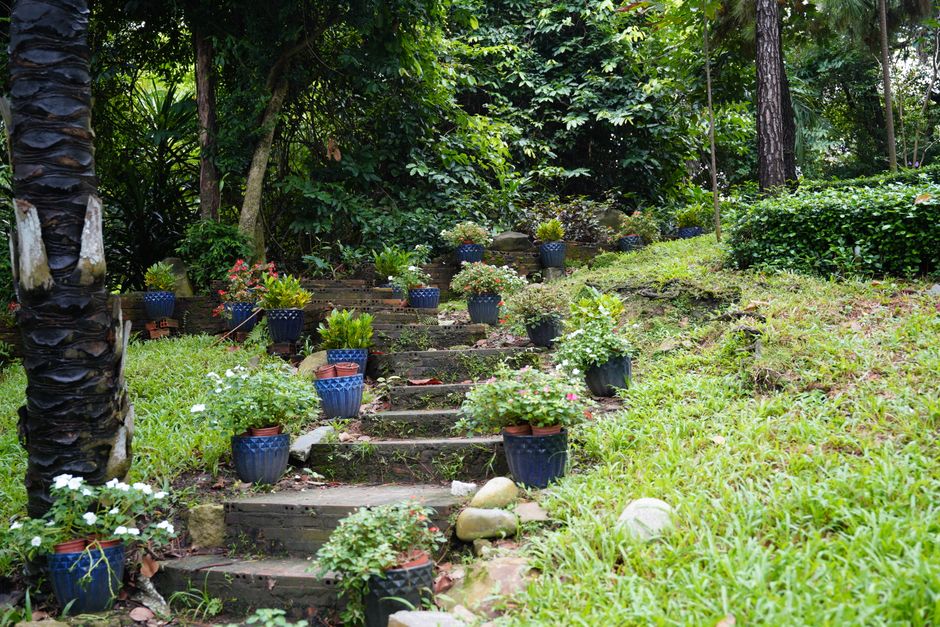
More homeowners are rethinking what their yards are actually for. A patch of grass that needs weekly mowing, a front yard with a single shrub, a backyard patio that bakes in the sun with no shade — these are the kinds of spaces people are moving away from. What’s replacing them are thoughtful, layered landscapes that look good, feel comfortable and actually do something useful. The shift in garden design trends right now is less about following fashion and more about making outdoor spaces work harder for the people who live in them.
At Ecolandscape Studio, we see this clearly in the projects homeowners bring to us. The questions have changed. People aren’t just asking what looks nice — they’re asking what will survive a dry summer, what will attract pollinators, what will give them privacy without a fence, and what they won’t have to replant every season.
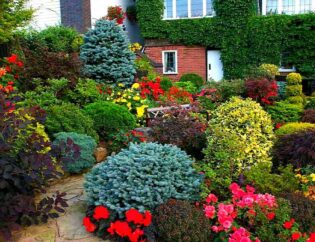
One of the strongest shifts in residential landscape design right now is the move toward native plant garden design. Native plants are adapted to local conditions, which means they need less water, less fertilizer and less intervention overall. They support local wildlife, attract bees and butterflies, and tend to look more natural and relaxed in a yard setting. Paired with a pollinator garden design approach, they turn an ordinary backyard into a living habitat.
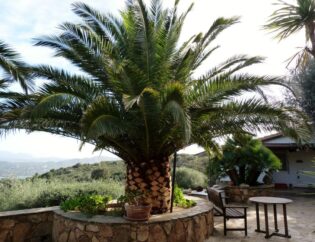
Drought tolerant garden design and xeriscape garden design are also gaining serious ground, especially in regions where water restrictions are becoming more common. Water wise landscaping doesn’t mean a yard full of gravel and cacti — it means choosing plants that thrive with less irrigation, grouping them by water needs and using mulch and soil preparation to hold moisture longer. Rain garden design is another practical tool, directing stormwater runoff into planted areas where it can soak in naturally rather than washing off hard surfaces.
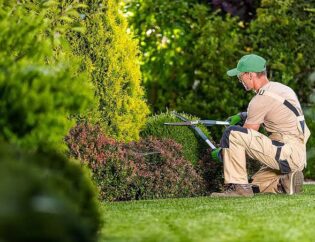
Low maintenance garden design is a priority for most homeowners today, and it connects directly to all of these approaches. When plants are well matched to the site, the soil and the climate, they don’t need constant attention. That’s the goal — a yard that looks cared for without demanding hours of work every weekend.
Martin Palma, founder and CEO of Ecolandscape Studio, has observed this pattern consistently across projects of different sizes and budgets. In his experience, the homeowners who are happiest with their landscapes five years later are the ones who invested time upfront in planting design — choosing the right species for the right place rather than filling space quickly with whatever was available at the nursery. That early decision shapes everything that follows, from how much water the yard needs to how it looks through different seasons.
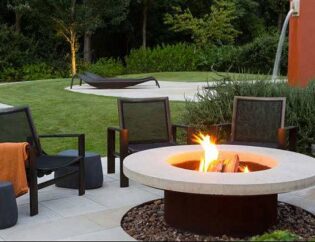
Beyond planting, the way people design their outdoor living spaces has become more deliberate. Patio landscaping ideas have moved well past a simple concrete slab with a table. Homeowners are layering shade structures, built-in seating, landscape lighting ideas and garden edging ideas to create spaces that feel like real extensions of the home.
Small backyard design has become its own area of focus. When space is limited, every decision matters more. Vertical planting, multi-use furniture, permeable paving and privacy landscaping using hedges or tall grasses can completely transform a compact yard into something that feels generous and well considered.
Front yard landscaping ideas are also evolving. Lawn alternatives like ground covers, ornamental grasses and low-growing perennials are replacing traditional turf in many front yards. This reduces water use, cuts down on mowing and creates a more distinctive look that stands out in a neighborhood of identical lawns.
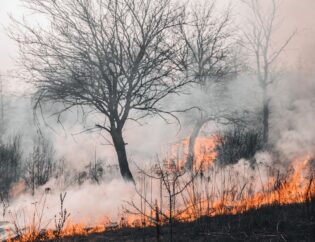
Fire resistant landscaping is becoming a real consideration in areas prone to wildfire risk. This means choosing plants with higher moisture content, spacing them thoughtfully to reduce the spread of fire, and keeping dry material away from structures. It’s a practical layer of yard landscaping design that more homeowners are factoring in as part of their overall plan.
Modern garden design today is really about alignment — between what a yard looks like and what it actually does. The most successful outdoor spaces are the ones where beauty and function reinforce each other rather than compete. A rain garden can be a visual feature. Native plantings can be lush and layered. A drought tolerant border can carry color through the whole growing season.
If you’re planning changes to your yard, the most useful starting point is to think about what you actually want from the space — shade, privacy, food production, wildlife habitat, a place to gather — and let that guide the design. Choosing plants suited to your local climate and soil will save time and money over the long run. And if you’re working with a small space, don’t underestimate what thoughtful layering and good lighting can do. The details matter, and they add up.