Water costs are rising, drought conditions are becoming more common across the western United States, and more homeowners are rethinking what their yards actually need to look like. Against that backdrop, the Price City Council recently took a meaningful step by exploring a state-funded lawn replacement rebate program that would help residents transition away from traditional grass lawns toward more sustainable, water-wise landscaping alternatives.
The discussion reflects a broader shift happening in residential landscape design right now. Grass lawns, once considered the default choice for front yard and backyard landscaping, are increasingly being replaced by drought tolerant garden design, native plant garden design, and other low maintenance approaches that work with local climate conditions rather than against them.
The rebate program under consideration by Price City Council is connected to a state-level initiative designed to reduce water consumption in residential areas. The program would offer financial incentives to homeowners who remove traditional turf grass and replace it with approved water-wise landscaping alternatives. These alternatives can include xeriscape garden design, native plant gardens, pollinator garden design, decorative gravel, permeable paving, and other lawn alternatives that significantly reduce irrigation needs.
The rebate structure is intended to offset some of the upfront costs that homeowners face when transitioning their yard landscaping design. Removing established turf, amending soil, installing new planting design, and adding features like garden edging or landscape lighting ideas all require investment. A rebate program makes that investment more accessible for a wider range of property owners.
For homeowners who have been curious about converting their front yard landscaping or backyard to something more sustainable, this kind of program removes one of the most common barriers: the initial cost.
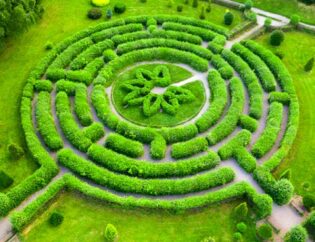
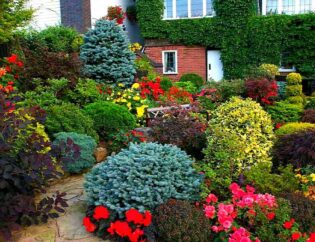
From a practical landscape design standpoint, replacing a traditional lawn opens up a wide range of possibilities. A well-planned xeriscape garden design does not have to look sparse or industrial. With the right planting design, it can be lush, layered, and visually rich throughout the seasons.
Native plant garden design is one of the most effective approaches for homeowners in drier climates. Native plants are adapted to local rainfall patterns, require far less supplemental irrigation, and support local pollinators and wildlife. A pollinator garden design built around native species can be one of the most rewarding and low maintenance garden choices a homeowner makes.
Rain garden design is another option worth considering, particularly for yards that experience runoff issues. A properly designed rain garden captures stormwater, filters it naturally, and reduces the load on municipal drainage systems while adding genuine beauty to the landscape.
Martin Palma, founder and CEO of Ecolandscape Studio, has worked with many homeowners who initially hesitated to remove their lawns, worried the result would look bare or unfinished. In his experience, the opposite tends to happen. Once a thoughtful planting design is in place, with layered textures, seasonal color, and well-chosen ground covers, the yard often ends up looking more intentional and more interesting than a flat grass surface ever did. The key is planning the replacement carefully rather than simply pulling out turf and filling the space with gravel.
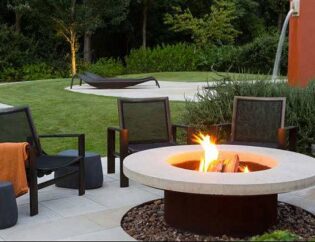
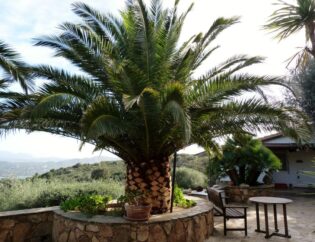
For homeowners thinking about outdoor living space design, removing a water-hungry lawn also creates opportunities to expand usable areas. Patio landscaping ideas, seating zones, and permeable pathways can replace sections of turf while adding real function to the backyard. A small backyard design that incorporates drought tolerant plants, a defined patio area, and smart landscape lighting ideas can feel far more livable than a yard dominated by grass that needs constant maintenance.
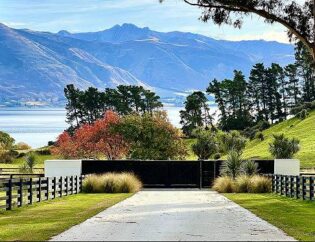
Privacy landscaping is another element that fits naturally into a lawn replacement project. Replacing turf along property edges with native shrubs or ornamental grasses creates screening, adds habitat value, and contributes to a modern garden design aesthetic that feels both purposeful and relaxed.
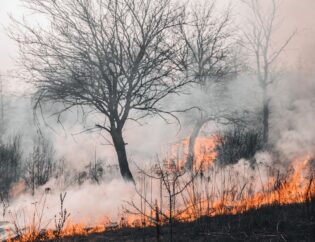
Fire resistant landscaping is also worth factoring into the planning process, especially for properties in areas prone to wildland fire risk. Choosing plants with low flammability, maintaining appropriate spacing, and using non-combustible materials in the design all contribute to a safer and more resilient yard.
If your city or municipality offers a similar rebate program, the process typically involves applying before the work begins, using approved plant lists or materials, and submitting documentation after the project is complete. Checking with your local water authority or city council is the right first step.
For homeowners in Price City and similar communities, this is a practical moment to reconsider what a well-designed yard can look like. Sustainable landscaping does not mean sacrificing beauty or comfort. With the right residential landscape design approach, a water-wise yard can be one of the most attractive and enjoyable outdoor spaces on the block.