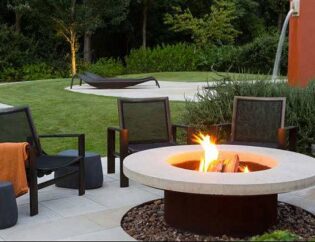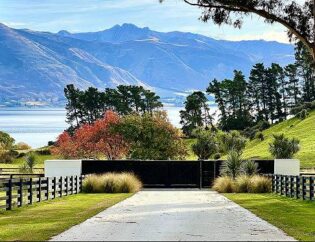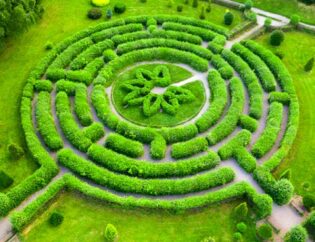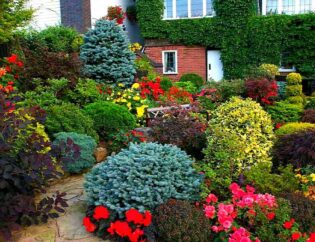
The Royal Horticultural Society has officially opened applications for its 2027 show garden program, and for anyone working in landscape design or simply passionate about garden planning, this is a moment worth paying attention to. Show gardens at RHS events have long served as a creative laboratory where emerging ideas in planting design, outdoor living space design, and sustainable landscaping get tested in front of a global audience. What gets built on those show stages often finds its way into residential landscape design projects within a few seasons.
The RHS is inviting designers, studios, and creative teams to submit proposals for gardens across its major 2027 events. Applications are open for RHS Chelsea Flower Show, RHS Hampton Court Palace Garden Festival, RHS Tatton Park Flower Show, and RHS Malvern Spring Festival. Each event has its own categories, scale requirements, and design briefs, giving applicants a range of formats to work within — from large showcase gardens to smaller, more focused planting displays.
Show gardens are not just about visual spectacle. They are working demonstrations of ideas that designers believe will resonate with how people want to use and experience outdoor spaces. Over recent years, themes like low maintenance garden design, drought tolerant garden design, native plant garden design, and pollinator garden design have moved from niche conversations into mainstream residential projects. Many of those shifts were first visible at RHS shows.
The 2027 cycle is expected to continue pushing ideas around water wise landscaping, xeriscape garden design, and rain garden design. Climate-conscious planting and fire resistant landscaping principles are also gaining ground as designers respond to changing weather patterns across the UK and beyond. For homeowners thinking about backyard landscaping ideas or front yard landscaping ideas, watching what gets built at these shows gives a genuine preview of where residential landscape design is heading.
Martin Palma, founder and CEO of Ecolandscape Studio, has followed RHS show garden cycles closely for years and sees them as a practical reference point rather than just an awards competition. In his experience, the gardens that tend to influence real residential projects most are the ones that solve genuine problems — whether that is managing water runoff through smart planting design, creating privacy landscaping with layered native plants, or demonstrating how lawn alternatives can look polished and intentional rather than like an afterthought. The ideas that translate best from show stage to actual yard landscaping design are always grounded in how people actually live outdoors.
If you are planning a home garden design or thinking about updating your outdoor living space, the RHS application process itself tells you something useful. The categories and themes that the RHS prioritizes in its briefs reflect what the broader design community considers relevant and forward-looking. Keeping an eye on which proposals get shortlisted and which gardens get built gives you a reliable signal about where garden design trends are heading.
For practical purposes, this means a few things. Planting design that supports pollinators and works with local ecology is not going away — it is becoming a baseline expectation in quality residential landscape design. Modern garden design is increasingly about integrating function with beauty, so elements like landscape lighting ideas, garden edging ideas, and patio landscaping ideas are being treated with the same care as the planting itself. Small backyard design is also getting more sophisticated, with designers finding ways to create layered, textured spaces that feel generous even within tight boundaries.
If you are working with a landscape designer or planning a project yourself, it is worth looking at RHS show garden coverage from recent years as a source of genuine inspiration. Not to copy specific looks, but to understand the thinking behind how spaces are structured, how plants are combined, and how outdoor comfort is built into the design from the start.
Applications for the 2027 RHS shows are open now, with deadlines varying by event. For designers and studios considering applying, the process involves submitting a design concept along with supporting information about the team and approach. The RHS provides detailed guidance for each category on its official website.
For homeowners and property owners, the broader takeaway is straightforward. The conversations happening at the highest levels of garden design right now — around sustainability, water management, native planting, and outdoor living — are the same conversations that will shape what good residential landscape design looks like over the next few years. Paying attention to where the field is moving helps you make better decisions about your own property, whether you are redesigning a front yard, rethinking a backyard, or simply trying to create an outdoor space that works harder and looks better through every season.