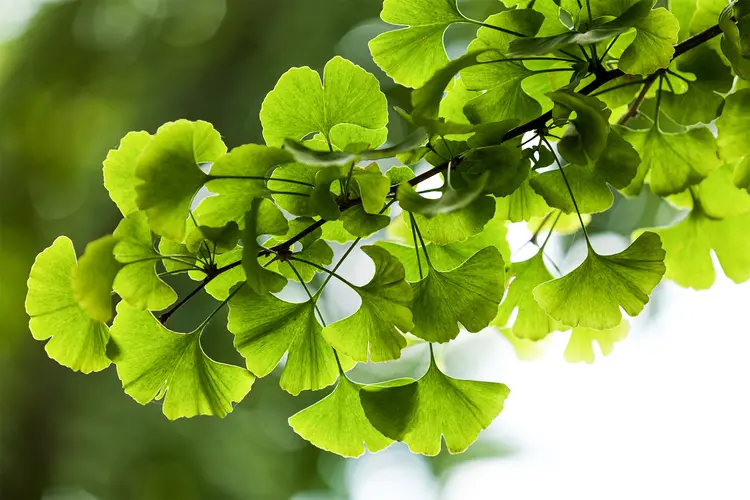
Ginkgo biloba, also known as the maidenhair tree, is a tree with a unique history that has survived since the Jurassic period. In China, you can find specimens of this tree that are over a thousand years old. Despite its ancient origins, ginkgo continues to be an important element in modern landscape projects. With its distinctive fan-shaped leaves and vibrant autumn coloration, it serves as a striking focal point in gardens and parks worldwide.
In addition to its visual appeal, Ginkgo biloba is known for its many beneficial qualities, making it an ideal choice for gardens and landscape projects. Inspired by its resilience and beauty, we at Ecolandscape Studio often use ginkgo as a key element in our projects.
Ginkgo Biloba in Landscape Design
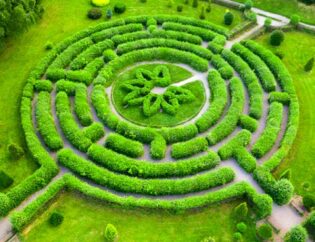
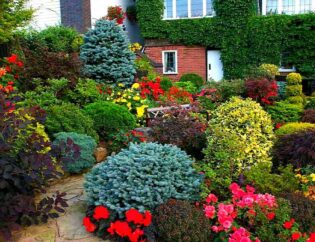
Ginkgo biloba attracts attention with its unusual shape and rich autumn colors. This tree is not only beautiful but also practical, providing shade during the summer months. In our Bayside Retreat project, Ginkgo biloba was used to create a harmonious balance between decorative plants and the functionality of the garden. Its sculptural leaves added texture and depth, while in autumn, the tree turns vibrant yellow, bringing warmth and coziness to the space.
Additionally, Ginkgo biloba is well-suited to a variety of climates and easily adapts to different soil types, making it an ideal choice for a range of landscape settings.
How to Properly Plant Ginkgo Biloba?
Ginkgo prefers sunny spots, so it is important to choose a location that receives at least six hours of sunlight per day. The soil must be well-drained, as the tree does not tolerate standing water, which can damage its roots. It is important to remember that ginkgo can grow up to 30 meters tall, so if planting multiple trees, make sure to leave enough space between them.
For healthy growth, it is recommended to monitor the soil condition and water the tree regularly in its early years until its root system is well-established.
Care and Maintenance
Ginkgo biloba is one of the least demanding trees. Once established, it becomes drought-tolerant and does not require frequent watering. In the first few years, regular watering is important to help the tree develop strong roots. Ginkgo does not need pruning, but if necessary, you can remove damaged branches or shape the crown, which is best done in late winter or early spring.
Additionally, Ginkgo biloba is resistant to most pests, but it may occasionally be affected by aphids or scale insects. In such cases, natural pest control methods or attracting beneficial insects like ladybugs can help manage the issue.
Companion Plants for Ginkgo Biloba
To create a harmonious garden alongside Ginkgo biloba, choose plants that will not compete for resources. For example, creeping dichondra and hostas pair well with this tree, adding extra texture and greenery without hindering its growth. These plants help create balance and harmony in the garden, highlighting the beauty of the ginkgo without overshadowing it.
Expert Opinion: Martin Palma
Martin Palma, founder of Ecolandscape Studio, shares his perspective: “Ginkgo biloba is not just a decorative tree; it’s a true symbol of resilience and harmony in landscape design. It works wonderfully for both urban and rural settings where creating a sustainable and beautiful space is important. I always recommend this tree to our clients because it not only beautifies a garden but also adds practical value, providing shade on hot days.”
Ginkgo Biloba: More Than Just a Beautiful Tree
Ginkgo biloba is not just a beautiful tree; it is a reliable partner in landscape design. It brings both visual appeal and practical benefits to the garden. Suitable for a wide variety of spaces, it is resilient to external elements and easily adapts. With the proper care, ginkgo will delight you for many years and become a significant feature in your garden.
At Ecolandscape Studio, we always choose plants that perfectly suit your space. Ginkgo biloba is an excellent choice for those seeking a balance between natural beauty and functionality.