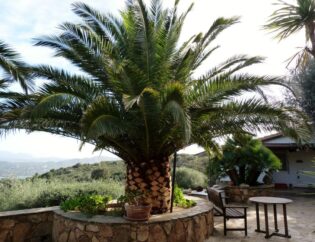
Some of the most meaningful outdoor spaces are born not from trend books or design briefs, but from deeply personal experience. The landscape surrounding Moksha House is one of those rare projects where grief, healing, and a genuine connection to the land shaped every planting decision, every path, and every quiet corner of the yard.
The word «moksha» comes from Sanskrit and refers to liberation or release — a fitting name for a home and garden designed in the wake of profound personal loss. The owners approached the project not simply as a backyard landscaping idea to improve curb appeal, but as a way to process emotion through the physical act of making a garden. That intention is visible in every layer of the design.
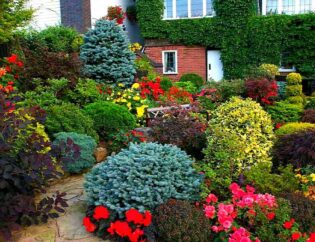
The planting design at Moksha House leans heavily on native plant garden design principles. The plant palette was chosen not for visual drama alone, but for ecological resonance and a sense of place. Native species were selected to support local pollinators, creating what functions as a pollinator garden design woven throughout the residential landscape.
The garden avoids the kind of rigid symmetry common in conventional front yard landscaping ideas. Instead, plants are arranged in naturalistic drifts that feel as though they grew there on their own. This approach softens the boundary between the built environment and the surrounding landscape, which is something that matters deeply in thoughtful yard landscaping design.
Water was a central concern from the start. The site incorporates rain garden design elements that capture and filter stormwater on-site rather than letting it run off. This is a practical and increasingly relevant feature in residential landscape design, especially in regions where rainfall is unpredictable. Combined with water wise landscaping choices throughout the planting beds, the garden manages moisture efficiently without relying on irrigation-heavy maintenance routines.
The lawn itself was reconsidered entirely. Lawn alternatives — including low-growing native groundcovers and permeable gravel areas — replace traditional turf in several zones. This reduces maintenance demands significantly and supports the overall low maintenance garden design philosophy that guided the project.
Martin Palma, founder and CEO of Ecolandscape Studio, has worked on residential projects where clients came to the design process carrying emotional weight, and he recognizes something familiar in the Moksha House approach. In his experience, when a homeowner has a genuine personal reason for wanting a specific kind of outdoor space — whether that is a quiet garden for reflection, a pollinator-friendly yard, or a fire resistant landscaping plan after a difficult season — the design tends to be more cohesive and more lasting. The emotional clarity translates into better decisions about plant selection, spatial layout, and long-term care.
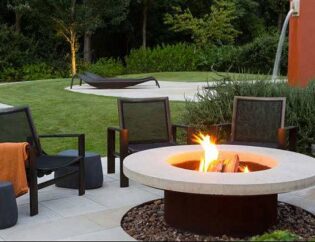
The outdoor living space design at Moksha House prioritizes stillness over spectacle. The patio landscaping ideas used here are restrained — natural stone, simple edging, and materials that age gracefully rather than demanding constant upkeep. Garden edging ideas throughout the property use clean, unobtrusive lines that define planting zones without feeling rigid or overly manicured.
Landscape lighting ideas were applied with a light hand. Rather than flooding the garden with brightness, the lighting design uses low-level fixtures to highlight specific plants and pathways at night, preserving the calm atmosphere that defines the space after dark. This kind of thoughtful lighting is something many homeowners overlook when planning their outdoor spaces, yet it dramatically changes how a garden feels in the evening hours.
Privacy landscaping was addressed through layered planting rather than solid fencing. Shrubs, ornamental grasses, and small trees create a sense of enclosure that feels natural rather than constructed. This is a practical approach for small backyard design as well, where hard barriers can make a space feel more confined rather than protected.
The overall aesthetic sits comfortably within the language of modern garden design — clean without being cold, structured without being sterile. The drought tolerant garden design choices ensure the space remains beautiful through dry periods without requiring constant intervention. Many of the plants selected also qualify as xeriscape garden design material, meaning they thrive with minimal supplemental water once established.
What the Moksha House project demonstrates, more than anything, is that the best home garden design decisions come from a clear understanding of why the space matters to the people who will live in it. Whether a homeowner is drawn to native plants, sustainable landscaping, or simply wants a yard that requires less work and gives more back, the process of asking honest questions about purpose tends to produce better results than following trends for their own sake.
For anyone planning a garden renovation or starting a new landscape from scratch, the lesson here is practical: let the meaning of the space guide the design. Choose plants that belong in your climate, build in water management from the beginning, and resist the pressure to fill every corner with something decorative. A garden that breathes has more value over time than one that simply photographs well.