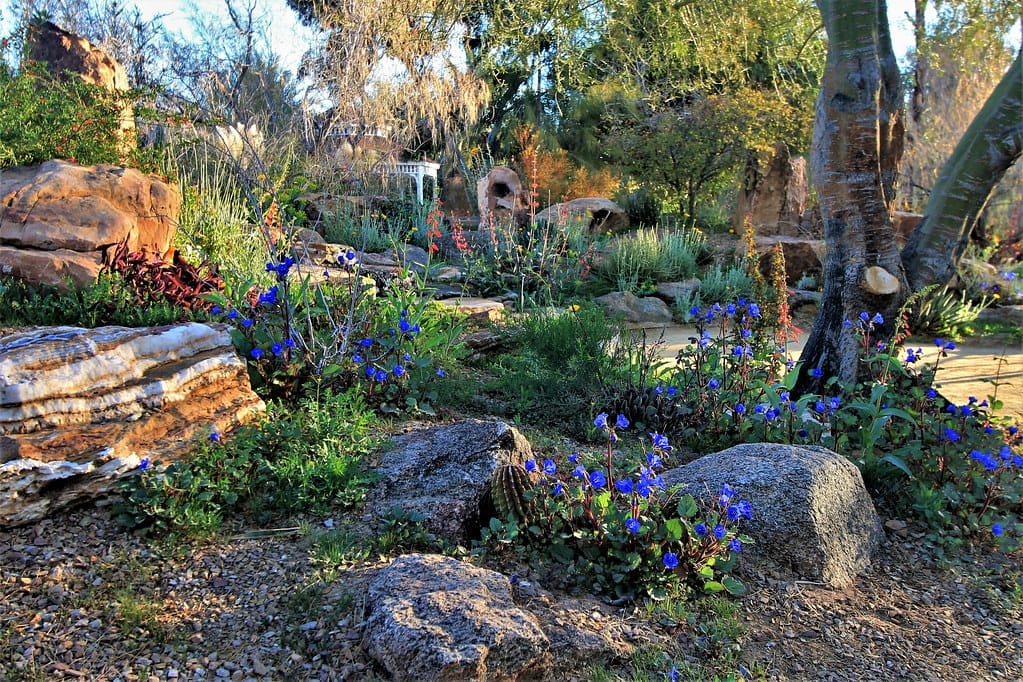
At Ecolandscape Studio, we often emphasize that quality landscape design, thoughtful planting, and well-planned yard improvements are not just about aesthetics they’re also about understanding natural processes. One of these processes is the microclimate of a site. At first glance, microclimate might seem like simply the weather in your yard. In reality, it refers to local climatic conditions influenced by many factors. Plants can become a powerful tool for managing these conditions.
Understanding the microclimate helps us create gardens where plants grow sustainably, and where areas for relaxation, walking, and outdoor work become more comfortable. By considering differences in temperature, wind, sunlight, and humidity across a property, we can more precisely plan plantings, pathways, seating areas, and decorative elements. In this article, we will explore how plants shape the microclimate of a site, why it matters, and how to apply this knowledge in practical landscape design.
Understanding the Microclimate of a Site
The microclimate of a site is the set of local climatic conditions within a small area. It is shaped by factors such as terrain, vegetation, buildings, water features, and even soil type. As a result, different zones on the same property can experience noticeably different temperatures and humidity levels. These differences determine where plants will thrive, which areas are best for relaxation, and which are suitable for vegetable gardens.
Simple observations of light and shade, air movement, and moisture levels help to understand how the microclimate is distributed across your property. For example, the northern part of a garden shaded by trees will be cooler and more humid than the sunny southern side, where plants require more consistent watering.
Gardening experts note that plants themselves create a microclimate around them. Tall trees, shrubs, and herbaceous plants affect air temperature, humidity, and even wind patterns.
How Plants Regulate the Microclimate
One of the main ways plants influence a site’s climate is by providing shade. Leaves and tree canopies protect the soil and air from direct sunlight. This reduces heating of the soil and air during hot hours, helps retain moisture in the soil, and makes spaces under trees more comfortable for relaxation.
At Ecolandscape Studio, we use this effect when planning outdoor seating areas. On the sunny side of the property, we place shade-tolerant trees that create cool areas without requiring extra watering. Thanks to this, the temperature in these zones drops during heatwaves, allowing you to comfortably enjoy the outdoors.
Plants constantly release water through their leaves in a process called transpiration. This helps humidify the surrounding air and cool it on hot days. Areas with dense, layered vegetation (trees, shrubs, grasses) have a milder microclimate compared to open spaces without greenery.
Our experience shows that zones with dense greenery stay cooler, and plants in these areas need less supplemental watering because air and soil moisture are naturally maintained.
Tall trees and dense shrubs act as natural wind barriers. They reduce air movement, helping retain soil moisture and protecting more delicate plants from drying out. Windbreaks are especially important for open sites where strong gusts can quickly dry out soil and increase watering needs.
We often include living hedges in yard designs not only as decorative elements but also as functional tools for microclimate regulation.
The terrain and materials used on a site also affect the microclimate. Low-lying areas retain coolness and moisture longer than elevated areas. Stone paths and walls reflect sunlight, creating warmer zones where certain plants thrive. Analyzing these features helps landscape designers choose optimal locations for different types of greenery.
How to Identify Microclimate Zones on a Property
You can understand your garden’s microclimate through simple observation. Morning and evening sunlight casts shadows in different areas. Wind is stronger in some spots than others. Soil in shaded areas may be more humid, while bright, sunny areas dry out faster. These differences help determine which plants to place where and where to position relaxation areas, vegetable gardens, or flower beds.
We recommend recording these observations over several days to get a complete picture of the specific climate conditions of your property. This helps select plantings more accurately for each part of the garden.
Practical Recommendations for Using Microclimate
To make the microclimate work in favor of your garden, it is important to consider it during the planning stage. When designing a landscape, take into account sunlight direction, areas of high and low humidity, and sections exposed to wind.
Combined plantings of trees, shrubs, and grasses help create stable climatic conditions. Place shade-loving plants in cooler zones and sun-loving plants in sunny spots. Living hedges and tall plants serve not only as visual elements but also as functional protection against wind and overheating.
Experience shows that these measures reduce the effort required for regular watering and keep plants healthier and more resilient to climatic fluctuations.
Personal Experience: How Microclimate Changes Garden Perception
Martin Palma, founder and CEO of Ecolandscape Studio, believes that understanding the microclimate of a site was a major revelation in our design process. He notes that careful analysis of microclimate zones often marks the moment when plants begin to grow more confidently and garden users notice a difference in comfort. This understanding allows us to create spaces that are not only beautiful but also functional and alive.
The microclimate of a site is a combination of local climatic conditions influenced by plants, terrain, buildings, and soil surfaces. Plants play an active role in this process: they provide shade, regulate temperature, increase air humidity, protect against wind, and improve overall comfort.
At Ecolandscape Studio, understanding microclimate is not a theoretical concept it is a practical tool that helps create sustainable, functional, and comfortable landscape designs. By taking into account the climatic features of your property, we can select optimal plants and arrange them in a way that allows your garden to work with nature, not against it.