Dreams of tropical gardens often evoke images of vibrant flowers, large foliage, and rich shades ranging from lime green to deep forest hues. Gardeners who don’t live in warm, humid climates might think that such a style is out of reach for them. The good news is, even if your climate doesn’t allow for the typical plants seen in places like Hawaii or other tropical regions, you can still create a tropical garden in your own yard.
At Ecolandscape Studio, we are confident that the right approach can help create a tropical paradise atmosphere, even in the most challenging climates. Rather than trying to mimic the tropical environment, it’s important to focus on creating an atmosphere — lush greenery, vibrant colors, and abundance — by using plants that can withstand colder conditions. In this article, we share our tips for creating a tropical garden, no matter the climate.
Ideas for a Tropical Garden: Which Plants to Choose?
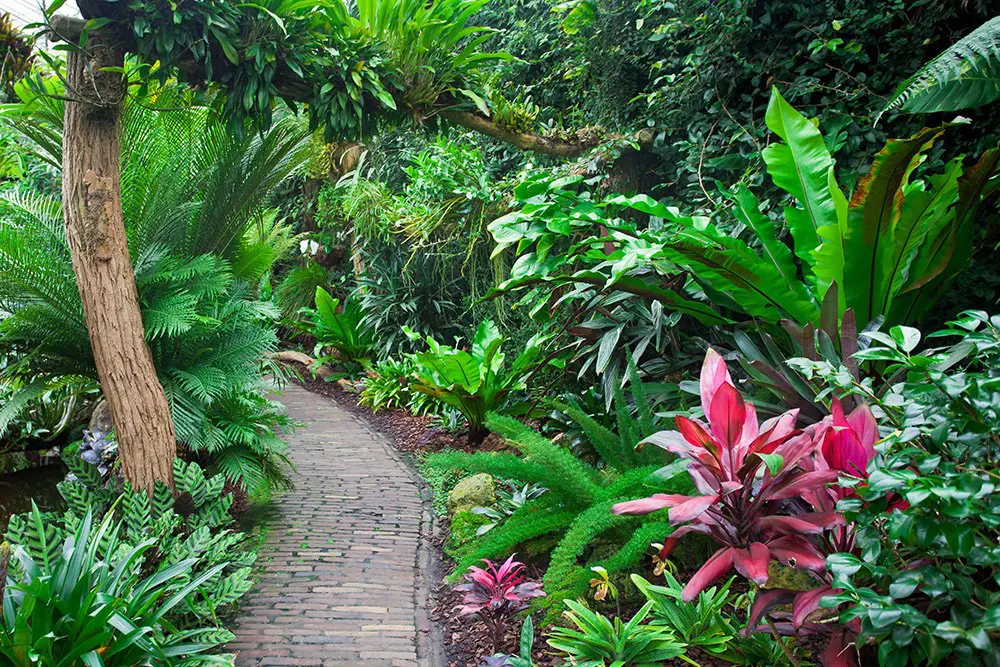
When designing a tropical garden, it’s important not to limit yourself to plants that traditionally grow in hot countries. At Ecolandscape Studio, we recommend selecting plants with characteristics commonly found in tropical regions: large, glossy leaves, bright flowers, and colorful foliage.
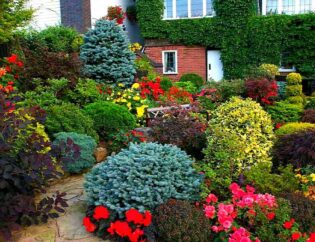
Instead of focusing only on plants that thrive in tropical climates, think about species that can flourish in your area while still capturing the tropical look. Many frost-resistant plants that can survive as low as USDA Zone 4 (hello, hostas!) can help you achieve that resort-style atmosphere in your garden.
For example, large-leaved varieties such as the hardy Musa Basjoo (Japanese banana) or ornamental grasses and ferns can create the tropical effect you’re after. With the right combinations, you may be surprised at how even cold-hardy plants can transport you to a tropical paradise.
Maximizing Space Efficiently
Many homeowners worry about limited space, but a tropical atmosphere can be achieved even in small gardens. At Ecolandscape Studio, we often suggest starting with a few plants in a large container. This not only saves space but also creates a striking focal point. Then, you can take a few of those plants and plant them in smaller containers, placing them around the larger one to create a cohesive design.
If space is at a premium, don’t give up on the idea of a tropical garden. Start with one large container featuring plants with large leaves and bright flowers. Bonus: The right plants can allow you to leave the container outdoors through the winter, extending the life of your tropical garden.
Transforming a Corner into a Tropical Retreat
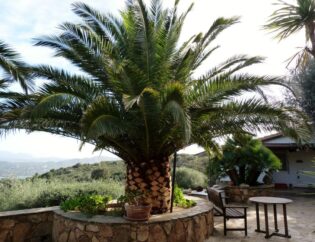
If you have a corner in your garden or terrace that could use a refresh, turning it into a tropical nook is a great solution. A few containers with plants, along with comfortable garden furniture, can create a space for relaxation and enjoying the view. As Martin Palma, the founder of Ecolandscape Studio, puts it: “Transforming small corners into green oases is one of the most effective ways to create a tropical vibe, even on a limited space.”
Tropical Style Around the Pool
If you have a pool, placing tropical plants around it can dramatically change the appearance and atmosphere of the space. A lounge area surrounded by lush greenery and vibrant flowers creates a resort-like feeling. Don’t worry if you can’t plant directly in the ground—simply use pots around the terrace. We recommend choosing plants of varying heights and colors to create a sense of depth and privacy.
One of the easiest ways to enhance the tropical style around a pool is by using container plants. Carefully chosen potted plants will help create a sense of seclusion and relaxation. You can also add outdoor furniture that complements the plants, creating a tropical resort atmosphere.
Colors and Patterns: Simple Accents
Sometimes, creating a tropical atmosphere doesn’t require filling the garden with a large number of plants. A few bright accents, such as cushions on outdoor furniture or rugs, can be enough to add the right touch. At Ecolandscape Studio, we always advise carefully selecting colors and patterns that complement the plants and avoid overwhelming the space.
Popular Colors for Tropical Gardens
When choosing plants and decor for a tropical garden, pay attention to vibrant, saturated colors. Here are some shades that are perfect for a tropical style:
- Bright lime green
- Oranges
Pinks - Reds
- Yellows
These colors can be introduced not only through plants but also through accessories such as cushions, rugs, or throws. At Ecolandscape Studio, we recommend using these colors in a balanced way to avoid overwhelming the space while still creating the desired atmosphere.
Conclusion and Recommendations
Creating a tropical garden, even in a climate far from the tropics, is entirely possible with the right approach and careful selection of plants. At Ecolandscape Studio, we believe the success of such a project depends on choosing plants that have tropical characteristics like large leaves and vibrant flowers but are resilient to local climate conditions.
It’s important to choose plants that can bring an exotic feel to the garden while still adapting easily to your climate. Containers are a great way to save space and achieve the desired effect. By placing several large containers with suitable plants and arranging smaller pots around them, you can achieve harmony and coherence even in a limited space. This also allows you to change the look of the garden according to the season, maintaining a tropical style year-round.
For smaller areas or garden corners, we recommend using containers and carefully selected garden furniture. This will help you create a relaxing corner to enjoy the greenery that will look great even in a limited space. Bright colors and a variety of textures in decor, such as cushions, rugs, or other accessories, will perfectly complement the atmosphere, creating a harmonious tropical vibe that will delight you throughout the season.
At Ecolandscape Studio, we are always ready to help you create a tropical nook that is not only beautiful but also adaptable to your garden’s conditions.