Spring is a time when nature begins to awaken, and the garden fills with vibrant colors and fresh scents. To make your landscape design especially attractive at the beginning of the season, it’s essential to choose the right plants for a spring flowerbed. One of the best options is using hellebores (Helleborus), perennials that start blooming very early, when many other plants are still just waking up. In this article, we’ll share how to integrate hellebores into your garden landscape to create a harmonious and appealing design.
Martin Palma, the founder and CEO of Ecolandscape Studio, will share his experience working with these hardy and aesthetic plants, along with recommendations on integrating hellebores into different landscape styles.
Hellebores: The Perfect Accent in a Spring Garden
Hellebores are plants that, despite their winter hardiness, possess remarkable ornamental value. Many species begin blooming during the winter or early spring, bringing freshness and color to the garden when most other plants have yet to start their active growth. They are a valuable element in landscape design, especially in cold climates, where they serve as a bright accent during the transitional season.
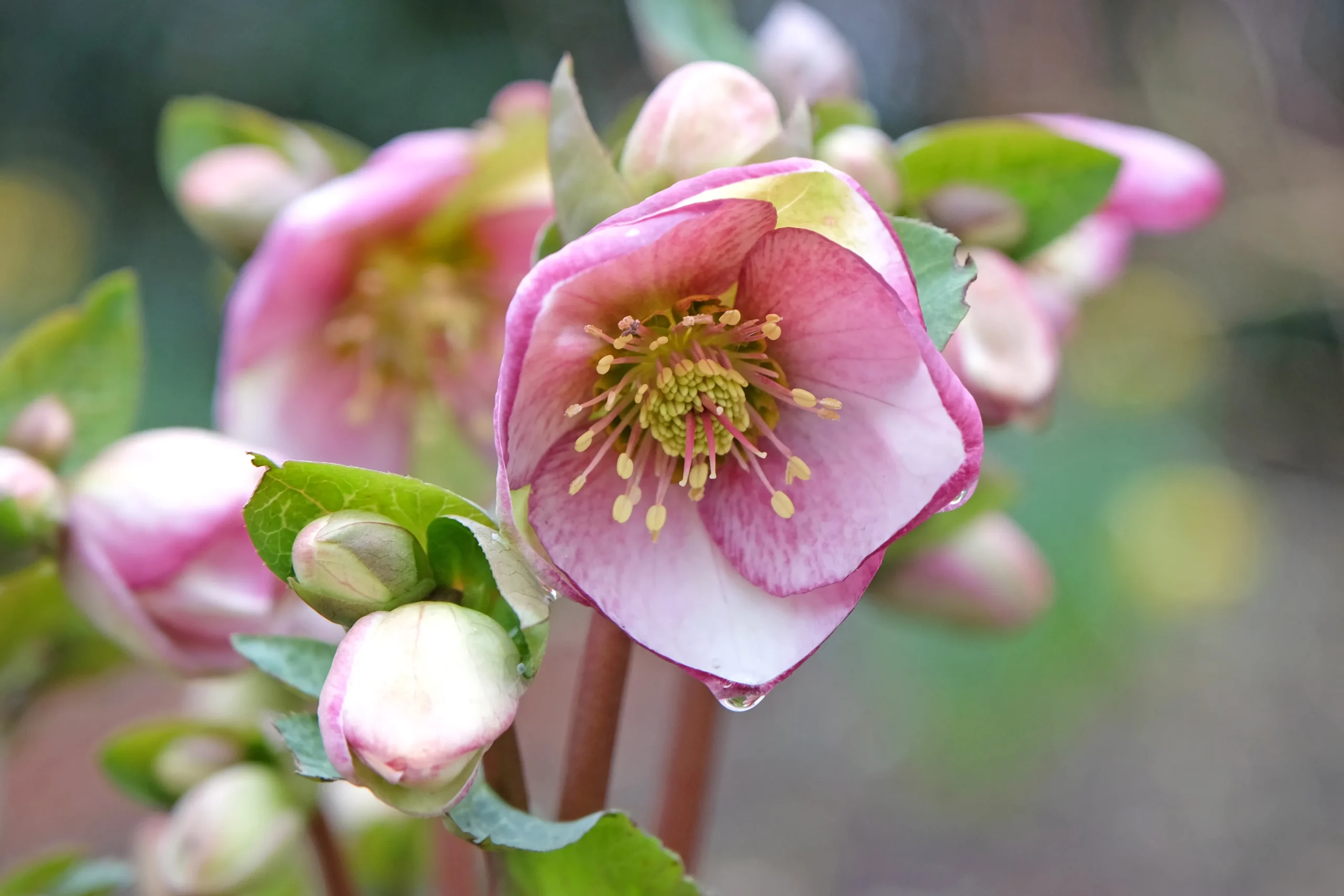
Hellebores come in various forms and colors, each with its unique features. Helleborus orientalis (oriental hellebore) is known for its abundant blooming in pink, white, and purple hues, making it ideal for creating color accents in the garden. Helleborus niger (black hellebore) with its dark, almost black flowers will bring a mysterious atmosphere to your garden. Helleborus foetidus (stinking hellebore) with its green flowers will give the garden a more natural look, making it perfect for designs in a rustic style.
These plants are valued not only for their beauty but also for their frost resistance and their ability to decorate the garden even in the harshest conditions.
Integrating Hellebores into Landscape Design
Hellebores are excellent candidates for use in a variety of landscape styles. These plants are perfect for creating layered compositions, where they can be planted both at the front and back of a garden bed. Since hellebores tolerate shade well, they can be placed in areas of the garden where other plants might struggle. They are ideal for planting under trees, in tree circles, or along garden paths that are in partial shade.
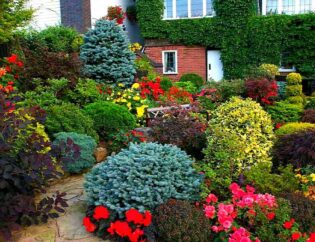
Hellebores can also be a great choice for creating accents in flowerbeds. They can be combined with other early-blooming plants such as crocuses, tulips, or daffodils. Mixed flowerbeds, where hellebores serve as a backdrop for taller plants, create a beautiful visual effect. It’s important to also consider the height of the plants, so they don’t overshadow one another, and each variety can showcase its features.
As Martin Palma notes: «At Ecolandscape Studio, we always focus on creating comprehensive landscape solutions where every plant fits perfectly into the overall picture, and hellebores play an important role in creating primary color accents. It’s one of the easiest plants to incorporate into different garden zones, as it combines aesthetics with hardiness.»
Creating Layered Compositions with Hellebores
One of the best ways to use hellebores in landscape design is to create layered flowerbeds. These plants look great alongside other perennials, and their ability to bloom early in the spring allows for dynamic and prolonged color accents.
Hellebores are perfect for the lower and middle layers of flowerbeds, while taller plants, such as daffodils or irises, can occupy the back. This creates a harmonious composition with varying plant heights, as well as a diversity of textures and colors. It’s essential to combine hellebores with other early-blooming perennials, such as phlox or primroses, to extend the blooming season.
Ecolandscape Studio actively uses layered compositions in their projects, combining hellebores with ornamental grasses or shrubs, which helps create interesting contrasts and improve the visual appeal of the garden.
Care for Hellebores: How to Extend Their Blooming Period
Although hellebores are quite low-maintenance plants, there are a few key aspects of care to keep in mind. Hellebores prefer moderate humidity and well-drained soil. Excess moisture can lead to root rot, while insufficient moisture can cause the plants to wilt. Pay attention to soil drainage, especially if your plot has heavy or clayey soil.
Hellebores thrive in partial shade, so it’s important to choose a location where they will be protected from direct sunlight, particularly during hot summer days. Direct sun can lead to overheating of the plant and disrupt its normal development.