Anyone who has put real effort into a residential landscape design knows that weeds have a way of undoing months of careful planting work in just a few weeks. Whether you’re maintaining a polished front yard landscaping design or trying to keep a small backyard design looking clean and intentional, persistent weeds are one of the most frustrating challenges homeowners face. The good news is that getting rid of them permanently is absolutely possible — you just need to understand what you’re dealing with and approach it the right way.
Weeds are not all the same, and that’s exactly why a single removal method rarely works for every situation. Some spread through underground root systems that can regenerate from even a tiny fragment left in the soil. Others drop thousands of seeds before you even notice them flowering. Knowing which type you’re dealing with changes everything about how you respond.
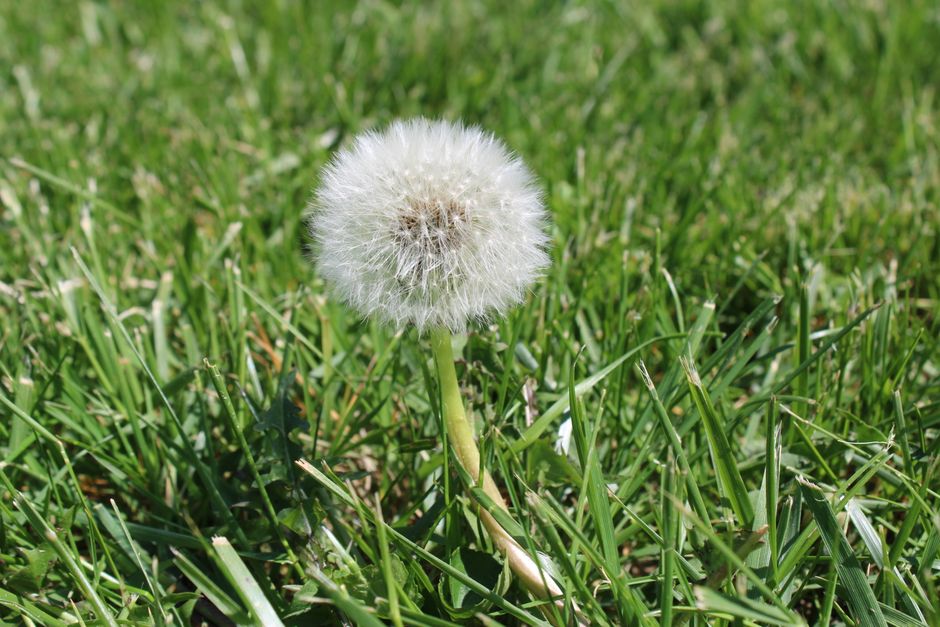
Broadleaf weeds like dandelions, clover, and plantain are among the most common offenders in home garden design. They tend to have deep taproots, which means pulling the visible plant without getting the full root just encourages regrowth. For these, hand-pulling works best when the soil is moist and you use a narrow weeding tool to extract the entire root system. Leaving even a small portion behind gives the plant everything it needs to come back.
Grassy weeds like crabgrass and nutsedge are a different challenge entirely. Crabgrass is an annual that completes its life cycle in one season but produces enormous quantities of seeds. The most effective strategy here is prevention — applying a pre-emergent treatment in early spring before soil temperatures reach the point where germination begins. Once crabgrass has established itself, post-emergent herbicides labeled specifically for grassy weeds are the most reliable option.
Nutsedge is arguably the most stubborn of all. It spreads through underground tubers called nutlets, and pulling the plant above ground actually stimulates the tubers to multiply. Targeted herbicides designed specifically for sedge are necessary here, and multiple applications are usually required over a full growing season.
For creeping weeds like ground ivy and bindweed, persistence is the key. These plants spread horizontally through runners or deep twining roots, and they can be nearly impossible to eliminate in a single season. Repeated removal combined with improving the conditions of your planting design — such as reducing shade, improving drainage, or increasing soil health — gradually weakens their ability to return.
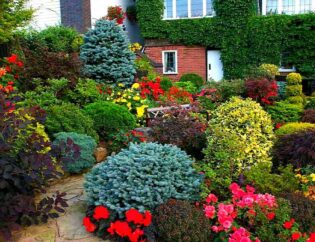
One of the most overlooked aspects of weed control in yard landscaping design is the role of soil health and planting density. Weeds thrive in bare, compacted, or nutrient-depleted soil. A well-designed planting plan that keeps the ground covered with desirable plants, groundcovers, or mulch leaves very little room for weeds to establish. This is a principle that applies equally to a low maintenance garden design and to more elaborate outdoor living space designs.
Martin Palma, founder and CEO of Ecolandscape Studio, has observed this pattern consistently across residential projects. In his experience, the yards that struggle most with recurring weeds are almost always the ones where the planting design is too sparse or where the soil has been left bare between plants. Filling those gaps intentionally — with native groundcovers, dense mulch layers, or lawn alternatives — is one of the most effective long-term weed suppression strategies available, and it also improves the overall appearance and ecological value of the space.
Mulch deserves special attention here. A layer of organic mulch applied at a depth of around 5 to 8 centimeters blocks light from reaching weed seeds in the soil and dramatically reduces germination rates. It also retains moisture, moderates soil temperature, and breaks down over time to improve soil structure. For anyone working on drought tolerant garden design or water wise landscaping, mulch does double duty by reducing irrigation needs at the same time.
Chemical herbicides can be useful tools when used correctly and selectively, but they should never be the first or only approach. Spot-treating specific problem areas with targeted products is far more responsible than broad applications, especially in gardens that include pollinator garden design elements or native plant garden design features where chemical drift can cause unintended damage.
The most durable solution to stubborn lawn weeds is a combination of physical removal, targeted treatment where necessary, and a thoughtful approach to planting design that reduces the conditions weeds need to thrive. A garden that is well-planted, properly mulched, and maintained with consistent attention will always be more resistant to weed pressure than one that relies on reactive treatments alone. Investing time in the right strategy now saves considerably more time and frustration in every season that follows.