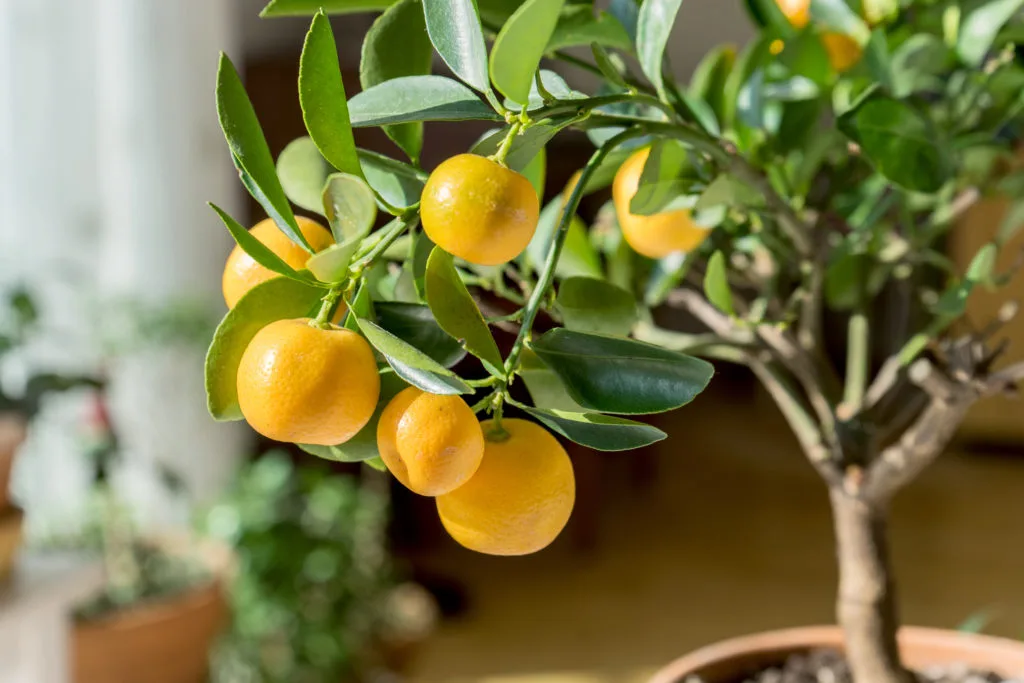
A lemon tree in your home is not just a beautiful decoration for the interior, but also a source of fresh fruit. At Ecolandscape Studio, we believe that every garden and plant should not only be aesthetically pleasing but also harmoniously integrated into the space of your home. Growing a lemon tree indoors is a great idea for those who want to add a green touch to their interior while enjoying the benefits of fresh fruit. In this article, we will explain how to create optimal conditions for your lemon tree’s growth and fruiting, and share our experience in caring for this wonderful plant.
Why a Lemon Tree for Your Home?
A lemon tree is ideal for growing indoors because it not only enhances the interior but also produces fruit that can be used in cooking and drinks. Dwarf varieties such as ‘Improved Meyer’ and ‘Ponderosa’ are best suited for apartments. These varieties are compact, require little space, yet still retain their ability to bear fruit.
The lemon tree can serve both as a decorative element of the interior and as a source of natural fruit. At Ecolandscape Studio, we believe that a well-grown lemon tree in the home can become not only a decorative piece but also a useful element that brings joy to its owners.
“A lemon tree in the home is not just beautiful. It’s a living element that brings life to the space, refreshing it with green leaves and offering fresh fruit. But for its success, the right conditions need to be created,” explains Martin Palma, founder and CEO of Ecolandscape Studio.
Location and Lighting
Lemon trees love light, and choosing the right location is crucial for their successful growth. It is best to place the lemon tree on a windowsill facing south, where it will receive a minimum of 8 hours of sunlight per day. However, it is important to remember that direct sunlight can damage the leaves, so care should be taken to ensure the light is bright but diffused. If natural light is insufficient, grow lights can be used to provide the necessary light levels.
Lighting is a key factor for the healthy growth of the lemon tree. During the winter months, when sunny days are fewer, it’s important to provide additional lighting to keep the plant active.
Soil and Pot
The right choice of pot and soil is also vital for the lemon tree’s growth. The pot should have good drainage holes to prevent water stagnation, which could lead to root rot. The soil for a lemon tree should be light and well-drained. Pre-made citrus plant soil mixtures are ideal, or you can create your own by mixing garden soil with sand and perlite to ensure good root aeration.
It’s important to remember that lemon trees don’t like excessively large pots. Choose a pot that matches the size of the root system to avoid excess moisture and root rot.
Watering and Humidity
Lemon trees require moderate but regular watering. The soil should remain slightly moist but not soaked. To determine when to water, check the top layer of soil if it feels dry to the touch, it’s time to water. During the winter months, when indoor temperatures drop, watering can be slightly reduced as the tree does not grow as actively as in warmer months.
Pay special attention to the humidity of the air. Lemon trees are sensitive to dryness, especially in the winter when heating can dry out the air. To create optimal conditions, you can use humidifiers or periodically mist the leaves. This will help maintain the required humidity and ensure the tree’s comfort.
Fertilizing
For proper growth and fruiting, lemon trees need regular feeding. It is especially important to fertilize the plant during active growth periods — spring and summer. Use fertilizers specifically designed for citrus plants, as they contain all the necessary micronutrients such as nitrogen, phosphorus, and potassium.
It is important not to overdo it with fertilizers, as excessive nutrients can harm the plant. During the fall and winter months, you can reduce the frequency of fertilization to once a month to avoid overloading the plant.
Pruning and Shaping
Pruning helps maintain the shape of the lemon tree and stimulates the growth of new shoots. Timely pruning also improves air circulation within the tree’s canopy, reducing the risk of disease. Remove old, dry, or damaged branches to free up space for new, stronger shoots that will eventually bear fruit.
Pruning is best done at the beginning of spring, when the plant starts active growth. This will help stimulate new shoots and improve the tree’s shape.
Lemon Tree Fruiting
A lemon tree can begin to bear fruit within 2–3 years of planting, though this depends on many factors, including proper lighting, temperature, watering, and fertilization. It’s important to remember that the first fruit may not appear immediately, and it may take some time for the tree to fully adapt to indoor conditions.
Growing a lemon tree requires patience and proper care. To stimulate fruiting during the colder season, it’s helpful to give the tree a period of cool dormancy, and then return it to a warmer spot with bright light.
Growing a lemon tree in your home is not only an exciting process but also an opportunity to enjoy its fruit, creating a green atmosphere in your interior. At Ecolandscape Studio, we believe that plants should not just be decorative elements, but living participants in your home that bring joy and benefits. With the right care and attention, a lemon tree will reward you not only with its greenery but also with fragrant fruit.