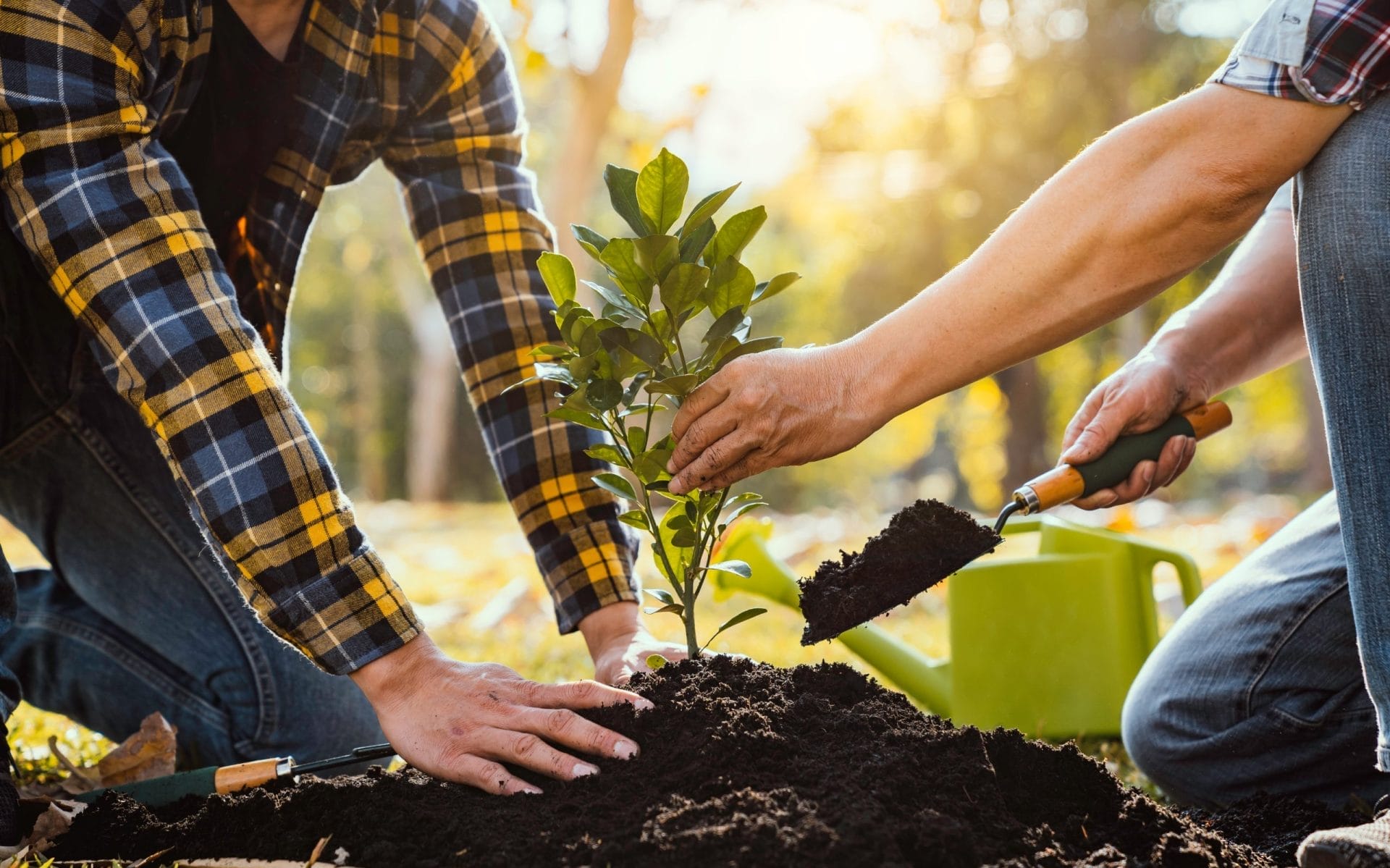
Planting trees is not just a process; it’s an essential step in creating a beautiful and healthy landscape. At Ecolandscape Studio, we believe that every detail matters, and proper planting is the foundation for a tree’s healthy development and aesthetic appeal. Today, we will share the recommendations and experience of our founder and CEO, Martin Palma, who has worked in landscaping for many years and knows how to avoid common mistakes when planting trees.
Why is Proper Planting So Important?
Proper tree planting is the key to a long and healthy life for the tree. When a tree is planted incorrectly, it faces several problems that can slow its growth, and in the worst case, even lead to death. For example, if a tree is planted too deeply, the roots may not receive enough oxygen, leading to rot. On the other hand, if the roots are not properly protected from external factors, the tree may struggle to establish itself and cope with changing weather conditions.
At Ecolandscape Studio, we emphasize that proper planting isn’t just about digging a hole in the ground. It’s a process that includes choosing the right location, preparing the soil, placing the roots correctly, and providing care for the tree during the first few months. Properly planted and cared-for saplings develop quickly and sturdily.
When is the Best Time to Plant Trees?
The optimal time for planting trees depends on the climate of your region, but there are some general recommendations. Fall and early spring are ideal planting times when the tree is in a dormant state. During this period, the soil is still moist, and temperatures are not too high, which promotes better root establishment. It’s especially important that saplings manage to anchor themselves in the soil before extreme temperatures set in.
Martin Palma shares his opinion: «I always advise clients to choose autumn for planting trees. The soil is still warm, and the air temperature is cool enough for the plant to take root and prepare for winter. In spring, the tree will get a strong start when all its energy will go into root development.»
How to Properly Prepare the Planting Hole?
It’s important to remember that preparing the hole is not just about digging a pit. The hole should be two to three times wider than the diameter of the sapling’s root ball to allow enough space for the root system to develop. The hole’s width gives the roots room to spread into the surrounding soil, while loose soil encourages better root growth.
The bottom of the hole should not be too deep, so the roots can breathe and grow. Often, the soil on a property after construction or heavy work can become compacted and unsuitable for root growth. In such cases, it’s necessary to loosen the soil to a greater depth to allow the roots to penetrate the ground freely and receive oxygen and nutrients.
Our specialists recommend: If the soil on your site is clayey or heavy, add some sand or organic matter to improve drainage. This will help avoid water stagnation and create more favorable conditions for the roots.
How to Properly Plant the Sapling?
When the sapling is placed in the hole, make sure the root collar (the point where the trunk meets the roots) is level with the ground or slightly above it. Planting too deeply can cause the roots to rot, while planting too high can affect the tree’s stability. Ensure the tree is standing straight and not leaning to one side.
Don’t plant the tree too low, as this will hinder its growth and development. The root collar should be about 5-8 cm above ground level. This position allows the tree to grow normally, and the soil around the roots will not become stagnant.
Expert’s opinion: Always check the level of the root collar for proper planting. This is one of the most important factors in preventing problems with the tree later.
How to Fill and Compact the Soil?
After the sapling is in place, gently fill the hole with soil. Use the earth you removed from the hole, but avoid including rocks or large hard particles that could impede root growth. Fill the hole gradually, compacting each layer of soil lightly. You can tap the edges of the hole gently with a shovel to prevent air pockets from forming in the soil.
Don’t forget to moisten the soil during the filling process. This will help the soil settle and ensure better contact with the roots. After the hole is completely filled, water the tree generously to ensure the soil compacts and no gaps remain.
Care for the Tree After Planting
After planting, the tree requires special attention, especially in the first few months. Watering is one of the most important aspects of care. The soil should be consistently moist, but avoid overwatering. Excess water can lead to root rot, especially in clayey or heavy soil.
Martin Palma also advises: «To retain moisture around the sapling, I always recommend using mulch. This not only helps retain moisture but also prevents the growth of weeds that could compete for water and nutrients.»
Mulch can be made from wood chips, peat, or even fallen leaves. Spread the mulch in a radius of about 30 cm from the trunk, but don’t let it touch the root collar to avoid rot.
When to Use Supports?
Supports are not always necessary, but if the sapling has a tall stem or a soft trunk, installing supports will protect the tree from wind and accidental damage. The supports should be placed so that they don’t restrict the tree’s natural movement, or it won’t grow in a natural direction. Two stakes on either side of the sapling with soft materials for tying work best.
It’s recommended to remove supports and ties after one year, when the tree has become strong enough.
Proper tree planting is not just about following a standard procedure; it’s a thoughtful, planned process that involves choosing the right location, preparing the hole correctly, planting carefully, and providing ongoing care for the tree. Our experience at Ecolandscape Studio shows that proper planting, combined with careful attention, accelerates the establishment and growth of the tree.
As Martin Palma said: «Planting a tree is just the beginning. It’s important not to forget about it and to monitor its condition in the first months. This is when the tree needs the most support and attention to become an integral part of your garden in the future.»