Landscape design is an art where every detail matters. Every year, more and more people realize the necessity of creating gardens that are both beautiful and eco-friendly. One such approach is the wild landscape garden, where plants and landscape elements grow naturally, without human intervention. This style helps to keep nature untouched and creates a harmonious atmosphere. At Ecolandscape Studio, we believe that the wild landscape garden is the perfect way to combine aesthetics and sustainability. In this article, we will share how to design a garden that will organically blend with nature and help preserve biodiversity.
What is a Wild Landscape Garden?
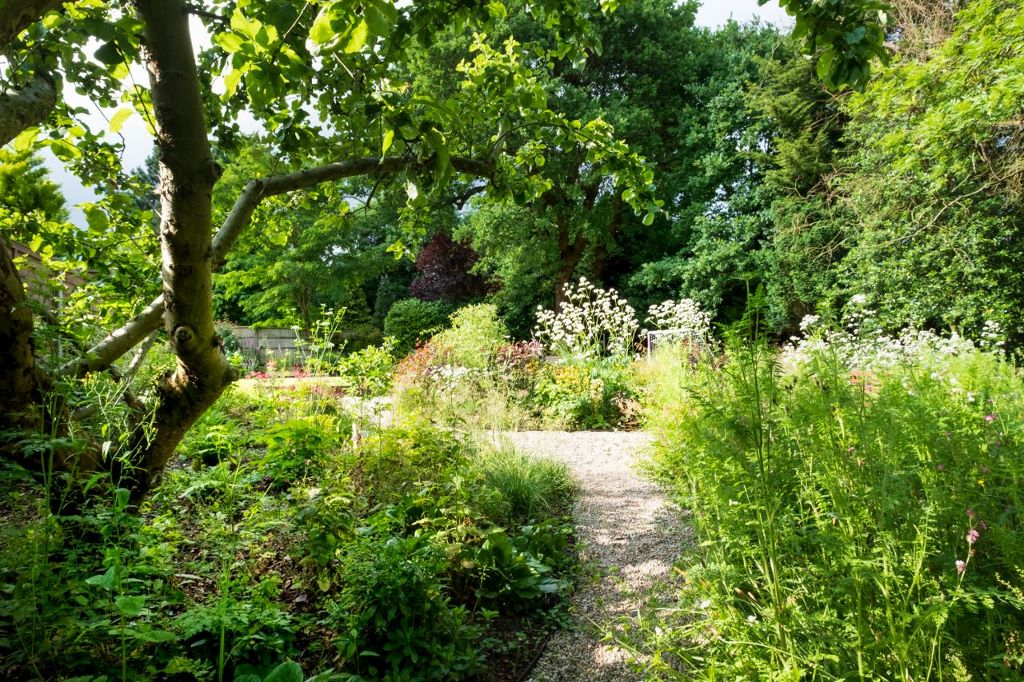
A wild landscape garden is an approach that focuses on minimal intervention in nature. Instead of strict shapes and symmetry, plants in such a garden grow naturally, and the landscape evolves without rigid planning. This allows for the creation of a space that reflects the natural beauty of the environment. In such gardens, native plants are used, which blend harmoniously with the surrounding landscape and require little maintenance.
Martin Palma, founder and CEO of Ecolandscape Studio, says: «When creating a wild landscape garden, we always aim to keep nature at the forefront. In such gardens, plants are not just decorative but help maintain ecological balance. This philosophy is based on respecting nature.»
Benefits of a Wild Landscape Garden
One of the most obvious benefits of a wild garden is its ecological sustainability. Using native plants helps preserve the natural balance and creates a favorable environment for local wildlife. These plants do not require excessive watering or fertilizers, which reduces the strain on the ecosystem.
Another key benefit is the reduction in garden maintenance costs. Unlike traditional gardens, which require regular watering, trimming, and the use of chemical fertilizers, a wild landscape garden requires minimal intervention. Plants suitable for such gardens are well adapted to local conditions and do not need constant care.
Additionally, wild gardens contribute to maintaining biodiversity. In these gardens, not only plants thrive but also a variety of animals, including insects, birds, and small mammals, creating a sustainable ecosystem.
How to Create a Wild Landscape Garden?
To create a wild garden, it’s important to focus on local conditions and soil characteristics. First and foremost, you need to select plants that are well adapted to your region’s climate. For example, in hot and dry areas, succulents, cacti, and agaves are ideal choices. In cooler regions, native grasses, shrubs, and wildflowers that thrive in cold conditions can be used.
A wild landscape garden also involves the use of natural materials. Stones, tree stumps, gravel, and sand all help to create a natural atmosphere where plants can grow freely. Stones, for instance, help with better drainage and moisture retention, which is particularly important for arid regions.
Lighting plays an important role in creating the atmosphere of a wild garden. Unlike traditional gardens with bright artificial lighting, a wild garden uses soft and natural light sources. This helps highlight the beauty of plants and textures without creating harsh contrasts.
Moreover, it’s essential to create a water feature that will support the balance of the ecosystem. In such a garden, you can install a small pond or stream with aquatic plants. This will not only beautify the space but also provide additional conditions for the life of local animals and insects. It is important that the water feature looks natural, with algae, stones, and wild plants, to help preserve the ecological balance.
Mulching also plays a key role in the creation of a wild garden. Using organic materials, such as bark, leaves, and straw, helps retain moisture in the soil, prevents weed growth, and supports plant health.
How to Avoid Common Mistakes When Creating a Wild Garden?
Creating a wild garden is not just about decorating a plot but also about supporting the ecosystem. However, it’s important to avoid some common mistakes. One of them is using invasive plant species. These plants can threaten native species by displacing them from the ecosystem. Therefore, always choose plants that are part of the local flora.
It is also important to remember that a wild landscape garden requires minimal intervention, but this does not mean that it can be left completely without care. You need to monitor plant growth to ensure they do not overwhelm each other or become too dense.
Finally, managing water resources properly is essential. While water features are an integral part of a wild garden, they need to be placed correctly to avoid water stagnation, which can lead to mold and other issues.
A wild landscape garden is a stylish and eco-friendly choice, offering a way to create a harmonious environment that will please the eye and support the life around it. This approach allows for the effective use of natural resources without disrupting the ecological balance. At Ecolandscape Studio, we always strive to create landscapes that blend harmoniously with nature and minimize human impact on the environment. A wild landscape garden is not only a beautifully designed space but also a conscious contribution to nature preservation.