Landscape design is the art of shaping space, which requires attention to natural processes and sustainable interaction with the environment. In the face of a changing climate and growing depletion of natural resources, creating sustainable landscapes that combine aesthetic appeal with environmental safety becomes especially important. At Ecolandscape Studio, we apply an integrated approach that combines the principles of sustainable design with the effective use of natural resources. In this article, we share recommendations for creating functional and eco-friendly gardens that minimize environmental impact while still being visually pleasing and enduring over the years.
What is Sustainable Landscape Design and Why is it Important?
Sustainable landscape design (or ecodesign) is the process of creating ecologically balanced and energy-efficient landscapes. The key aspects of this approach include the selection of local plants, minimizing water usage, using organic materials, and managing waste properly. The main goal is to form a space that works in harmony with nature, preserves biodiversity, and helps maintain natural cycles.
Martin Palma, the founder and CEO of Ecolandscape Studio, says: «Sustainable design is a philosophy aimed at preserving natural resources and biodiversity. We create landscapes that are aesthetically pleasing and help improve ecosystems, with minimal external resource consumption and low energy use.»
Key Principles of Sustainable Landscape Design
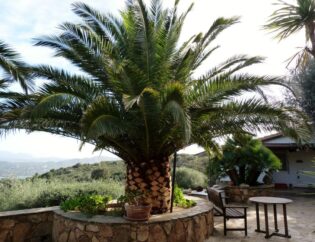
When designing a sustainable landscape, it is essential to choose the right plants. Local species are ideally adapted to the climate and soil conditions of the region. They are highly resistant to changing weather conditions and require minimal maintenance. These plants can efficiently use available resources such as water and sunlight, significantly reducing the need for irrigation and fertilizers. They do not disrupt the natural balance but rather strengthen the local ecosystem.
In hot and dry regions, succulents, cacti, and agaves are ideal for sustainable landscape design. These plants thrive in extreme conditions and have the ability to store water. For cooler regions, local grasses, shrubs, and wildflowers that thrive in moderate temperatures should be chosen. Stones, gravel, and sand are also integral elements that enhance soil water retention and prevent erosion.
Efficient water resource management is a fundamental aspect of sustainable landscape design. Modern drip irrigation systems deliver water directly to plant roots, minimizing evaporation losses. Using rainwater for irrigation helps reduce the burden on centralized water supplies, which is particularly important in areas with limited water resources.
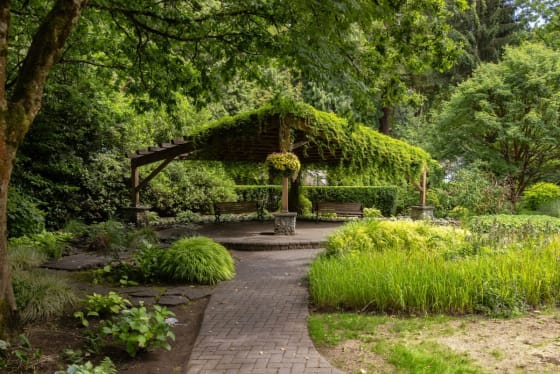
Natural materials such as wood, stone, and gravel are used to create functional and aesthetically pleasing elements. These materials help improve drainage, retain moisture, and prevent weed growth. Stones and boulders serve as natural barriers to prevent soil erosion, while wood is perfect for creating garden features such as paths, pergolas, and gazebos.
Biodiversity conservation plays a significant role in sustainable landscape design. These gardens create conditions for local animals and insects to thrive, which helps maintain ecological balance. For example, plants that attract beneficial insects, such as bees and butterflies, help create a harmonious ecosystem where all elements are interconnected.
Problems and Mistakes to Avoid
When creating a sustainable landscape, it is important to avoid common mistakes. One of them is using invasive plant species that may threaten local species by displacing them from the ecosystem. Therefore, plant selection should be based on their ability to harmoniously integrate with the local flora.
It is also important to remember that sustainable landscapes require minimal intervention, but this does not mean that the garden does not need care. Regular pruning, removing wilted plants, and monitoring soil health are necessary to maintain the garden’s well-being.
Additionally, it is important to manage water features properly. Ponds and streams can be beautiful decorative elements, but if placed incorrectly, they can lead to water stagnation, fostering fungal growth and harmful microorganisms. It is necessary to strike a balance between the aesthetics and functionality of water features.
Sustainable Landscape Design: Not Just About a Beautiful Garden
Sustainable landscape design is not just about creating a beautiful garden; it is a philosophy aimed at minimizing the impact on nature and its resources. By applying the principles of ecodesign, one can create a space that functions in harmony with nature and has long-term ecological value.
At Ecolandscape Studio, we always strive to offer our clients projects that blend seamlessly with nature and support the sustainability of ecosystems. Our landscape solutions combine beauty, ecological efficiency, and functionality, creating spaces that remain environmentally safe and aesthetically pleasing for years to come.
Martin Palma, founder and CEO of Ecolandscape Studio, emphasizes: «We view landscape design as a way to show that beauty and ecology can go hand in hand. Our projects are focused on creating sustainable solutions that contribute to the preservation of natural resources and harmony with the surrounding environment.»