At Ecolandscape Studio, we believe that landscape design is much more than just a space filled with plants and architectural elements. It is a living carrier of culture, reflecting local traditions, history, and values. We strive to create landscapes that not only delight the eye but also convey the unique identity of a region. In this article, we will discuss how landscape design can be used as a cultural code, integrating traditional horticultural practices to preserve the connection with culture and nature.
Traditional Horticultural Practices as the Basis of a Cultural Code
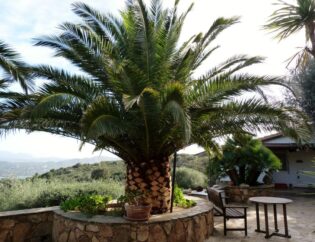
Every culture has its own unique gardening traditions that have evolved over centuries and reflect its worldview, relationships with nature, and philosophy. At Ecolandscape Studio, we always take this into account in our projects, aiming to convey local traditions through the landscape. For example, Japanese gardens are known for their minimalism and deep symbolism based on Zen Buddhism, which helps create harmony between humans and nature. Persian gardens, with their intricate water systems and vibrant plants, symbolize an oasis, where every element carries the meaning of abundance and beauty. The Mediterranean style, with its warm light and vibrant colors, represents simplicity and comfort, where every corner serves as a place for relaxation.
Inspired by these traditions, at Ecolandscape Studio, we always look for opportunities to incorporate elements of local gardening practices into our projects so that each garden or urban landscape not only meets functional needs but also serves as a carrier of cultural context.
Integrating Traditions and Modern Solutions
In our projects, we actively use traditional horticultural methods, adapting them to modern realities. Our specialists are convinced that landscape design should consider not only aesthetic preferences but also ensure ecological sustainability. Modern technologies, such as rainwater harvesting systems or solar pumps, complement traditional water systems in Persian gardens, ensuring sustainability and reducing water supply costs.
As Martin Palma, founder and CEO of Ecolandscape Studio, notes: «When we implement traditional elements in modern landscape projects, it’s important to remember that they must be environmentally responsible and adapted to today’s conditions. We always strive to use technologies that do not disrupt the historical integrity of gardens but make them more sustainable and efficient.»
Cultural Code in Urban Spaces
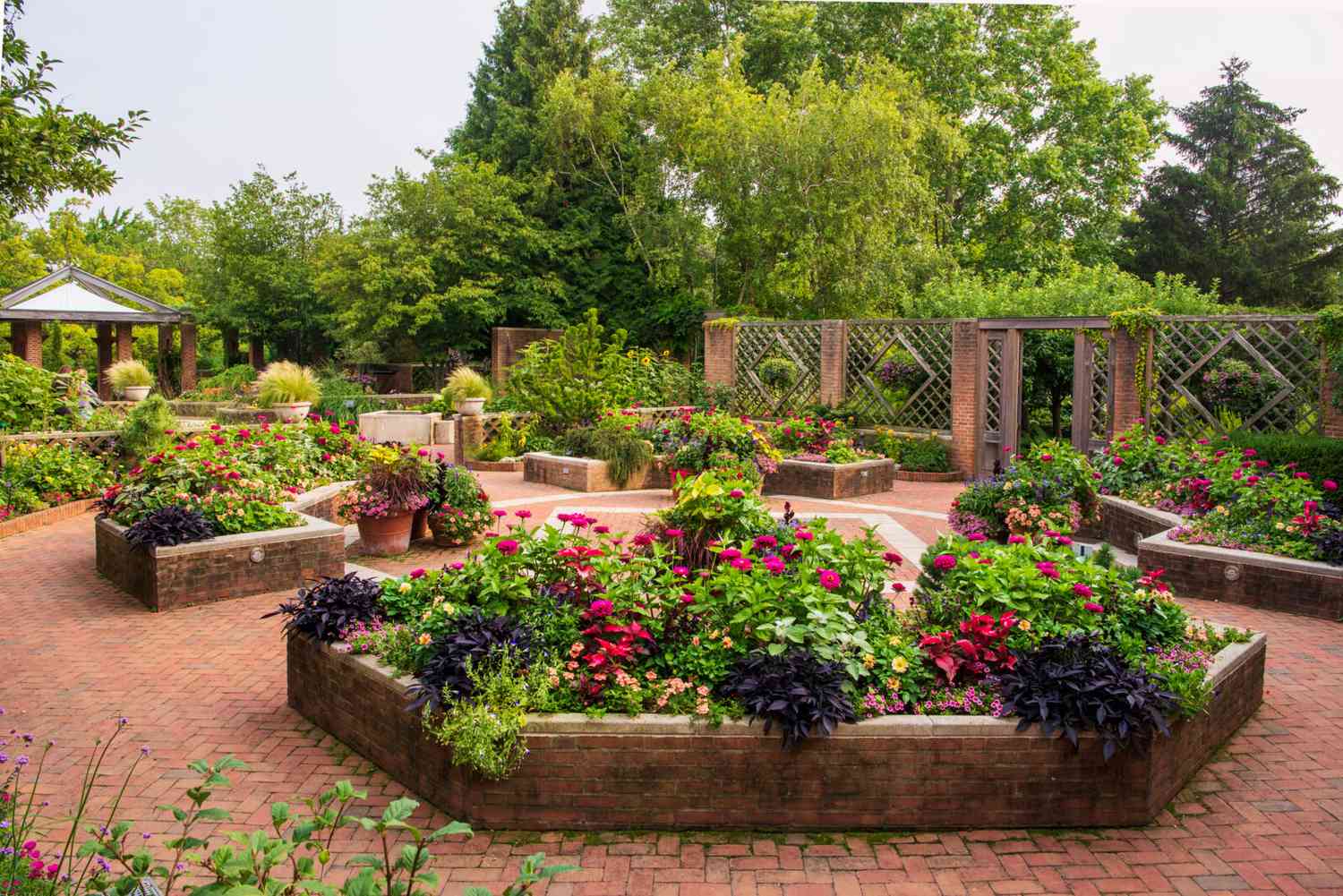
At Ecolandscape Studio, we also focus on creating unique cultural landscapes in urban environments. We understand how important it is to preserve cultural identity even in the context of urbanization. Our urban garden and park projects actively incorporate elements of traditional gardening to create harmonious spaces that reflect local culture.
It is especially important that such spaces take into account the needs of different cultural and social groups. We believe that urban landscapes should be inclusive and multifunctional, serving not only as places for recreation but also as venues for cultural events, festivals, and educational programs. We are confident that this will help strengthen the connection between people and their history, as well as create opportunities for social interaction.
At Ecolandscape Studio, we follow several principles that can help integrate the cultural code into landscape design:
- Use of local plants and materials – an important aspect for preserving cultural identity. This is not only an environmentally responsible choice but also a way to support regional gardening traditions.
- Integration of symbolism into design elements – it is important that every element, whether it’s a water feature, a pathway, or a plant composition, serves not only an aesthetic function but also holds meaning for the local culture.
- Sustainability-supporting technologies – the implementation of modern solutions, such as rainwater harvesting systems and energy-saving technologies, helps make traditional gardening practices more efficient and sustainable.
- Creation of multifunctional public spaces – the landscape should serve not only for relaxation but also for the development of cultural and social programs that bring different communities together.
Landscape as a Cultural Code is a key concept that underlies all of Ecolandscape Studio projects. We aim to create spaces that are not only aesthetically pleasing but also filled with deep meaning, preserving the cultural traditions and identity of the region. In our projects, we harmoniously combine traditional gardening methods with modern technologies, ensuring the sustainability, functionality, and cultural value of each space.
As Martin Palma said, «We believe that every project should not only be beautiful but also important for the people, their history, and nature. This is our philosophy and approach at Ecolandscape Studio.»