Landscape design is an art that requires not only a creative approach but also attention to detail. However, despite this, there are many myths that can cause confusion when designing a garden. In this article, we at Ecolandscape Studio will debunk popular misconceptions, explain what actually works in landscape design, and share practical recommendations to help you create a functional and beautiful garden.
Low Maintenance Doesn’t Mean No Attention: The Myth of Low-Maintenance Gardens
Many people mistakenly believe that a low-maintenance garden doesn’t require attention. In reality, even these areas require regular care, though not as much as traditional flower beds. Weed control, pruning, and maintaining general order in the garden are still necessary.
Low maintenance doesn’t mean “no maintenance.” Even plants like lavender or juniper, which require minimal care, still need pruning and protection from pests. To reduce the time and effort required for maintenance, it’s best to choose plants that are already adapted to the climate of your region. Local species are typically less demanding and help create a sustainable, beautiful garden with minimal effort.
Ecolandscape Studio always recommends selecting native plants, as they adapt best to the local climate and require the least maintenance. This will help you create a resilient and beautiful garden that will delight you every day.
The Need for Sunlight: Not All Plants Need Full Sun
It’s commonly believed that plants only need full sunlight. In fact, many species thrive in partial shade or even full shade. This is especially important in hot regions where excessive sunlight can overheat the soil and cause stress to the plants.
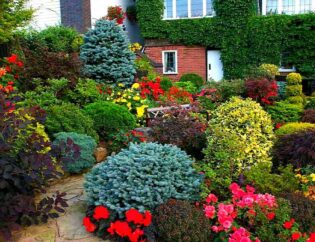
When choosing plants, it’s important to consider not only their appearance but also the conditions they thrive in. Ferns, hostas, begonias, and many other plants grow beautifully in shaded areas, which not only diversifies your garden but also reduces the need for frequent watering.
Understanding the lighting conditions on your site and properly distributing plants across the garden will make maintenance easier and enhance their decorative appeal. When you know where your garden receives the most sunlight, it’s easy to choose plants that will thrive in those conditions.
Choosing the Right Spot: Why You Can’t Just Plant Anywhere
Selecting the right planting location is a crucial step in landscape design. Many people make the mistake of thinking any plant can be placed anywhere. In reality, each plant species has specific requirements for soil type, moisture levels, and sunlight. If you plant a species in the wrong spot, it won’t thrive.
It’s important to consider the characteristics of the soil, its pH, and drainage properties. For example, cacti and succulents prefer well-drained soil, while irises and lilies love more moist areas. So, when planning your garden, it’s a good idea to analyze your soil to select plants that will grow well in your conditions.
A simple way to avoid mistakes is to carefully study the characteristics of your site and choose plants that are best suited for the conditions available. This will help you create a garden that thrives with minimal effort and is less prone to diseases.
Ecolandscape Studio always emphasizes choosing the right locations for plants. We believe that proper placement is the key to a successful and healthy garden.
Durable Surface Materials: Why Concrete and Tiles Don’t Solve All Problems
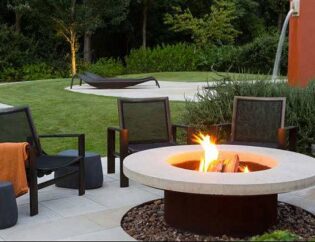
Many people think that using concrete or tiles in the garden is a good way to reduce maintenance. However, such surfaces can cause significant environmental problems. Concrete and tiles block water from reaching the soil, disrupting the water balance and possibly increasing the temperature of the site, creating so-called «heat islands.»
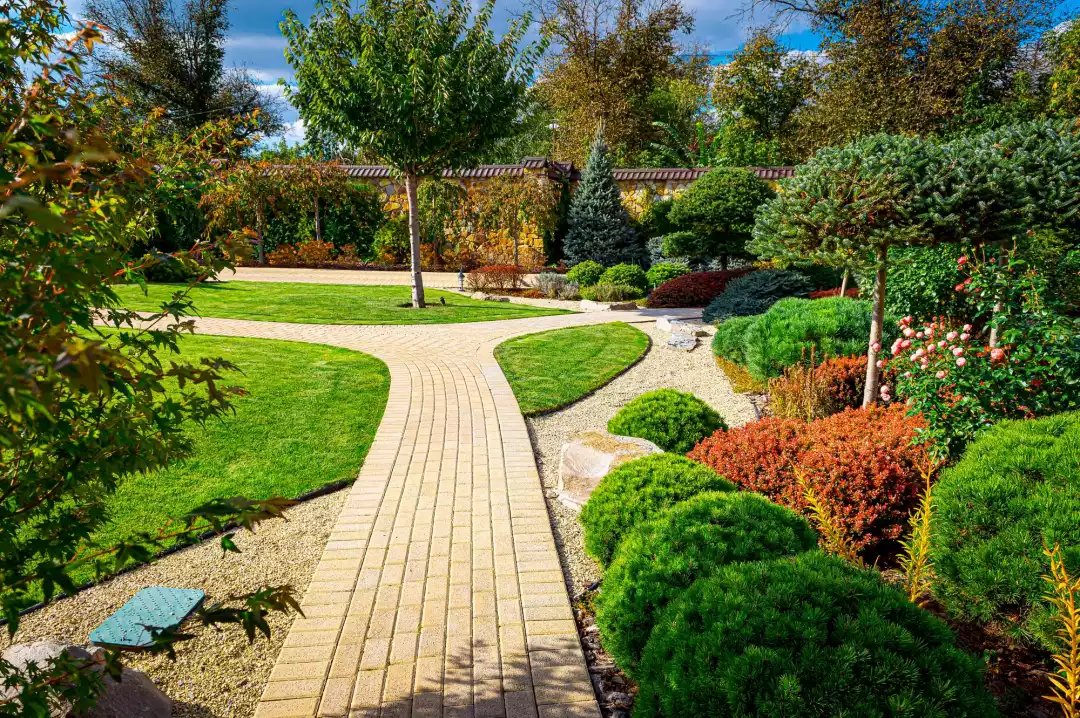
It’s better to use porous materials like gravel or perforated tiles. These materials allow water to flow freely into the soil without disrupting the natural water cycle. This is particularly important in regions where rainfall is scarce, and every drop of water counts.
In addition, these types of surfaces are more environmentally friendly and support the balance of the garden’s ecosystem, which is essential for plant health. By maintaining natural water cycles, you help create a more sustainable and healthy environment for your garden.
Size Matters: Why a Larger Garden Isn’t Always Better
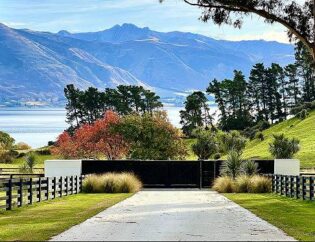
Many people believe that the bigger the garden, the better. However, a large plot requires more time and effort for maintenance. Moreover, if the garden isn’t properly planned, it can end up looking overcrowded, and it will be more challenging to keep it in good condition.
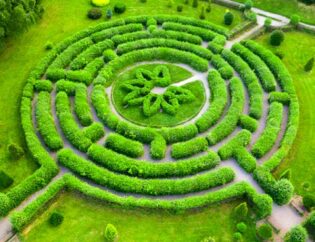
Smaller doesn’t always mean worse. Often, small, compact areas can be organized in such a way that they become more functional and cozy. By zoning the space with different materials and plants, you can create varied and comfortable areas that are easy to maintain.
For many people, a small, well-planned garden turns out to be much more convenient and aesthetically pleasing. It’s better to have a few harmonious and beautifully designed zones than one large area that is difficult to manage.
Opinion of Martin Palma, Founder of Ecolandscape Studio:“We often perceive large gardens as ideal, but in practice, this is not always the case. Small plots, if organized correctly, can be just as beautiful and functional. The key is attention to detail and harmony.”
Landscape Design: An Art and a Science
Landscape design is not just an art but also a science, requiring attention to the conditions of your site, plant selection, and materials. Understanding which plants are suitable for your region and plot, as well as considering their needs, are key factors in creating a garden that will delight you and your family for years to come.
The right choice of plants and smart zoning of the space will help you not only make your garden beautiful but also create a comfortable and ecological environment. It’s important to remember that even a small garden can be functional and attractive if you approach its planning correctly.
Ecolandscape Studio is always ready to help you create a unique garden that combines beauty, functionality, and sustainability. We offer tailored solutions that perfectly match your needs and the characteristics of your plot.