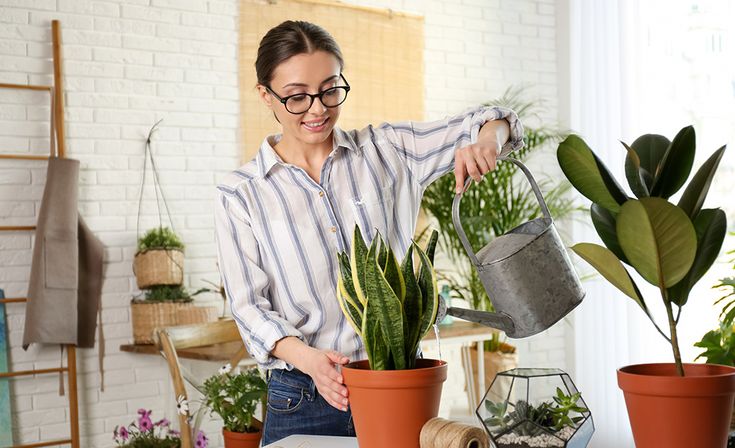
In urban living conditions, where space is limited, micro-gardening is an excellent solution for creating a green corner within your apartment. At Ecolandscape Studio, we believe that even in the smallest spaces, you can create a cozy and functional garden that not only enhances the atmosphere in your home but also contributes to improving your emotional well-being. In this article, we will share recommendations on how to create a micro-garden, discuss the best plants for an urban apartment, and give tips on organizing space.
Why is Micro-Gardening Relevant for Urban Living?
Micro-gardening is the practice of creating miniature gardens in limited spaces, such as apartments or balconies. In cities, where green areas are often scarce, this approach is a great way to bring nature back into daily life. At Ecolandscape Studio, we are convinced that even a small micro-garden can significantly improve the quality of life, increase comfort, and bring harmony to the interior.
Having plants in the house contributes to air purification, improves humidity, and creates a cozier atmosphere. According to the University of Exeter, studies have shown that plants reduce stress levels and increase productivity. This is especially important in megacities, where there is often a lack of tranquility and space for recovery.
How to Choose Plants for a Micro-Garden?
The right choice of plants is key to creating a successful micro-garden. It’s important to consider not only the appearance but also the plants’ ability to adapt to the conditions in your home, such as lighting, temperature, and humidity. Here are some types of plants that are perfect for creating a mini garden in your apartment:
Succulents and Cacti: These are ideal choices for urban apartments. They require minimal care, don’t need frequent watering, and thrive even in low light conditions. These plants can be placed on windowsills, tables, or shelves, and they create light, stylish accents in the interior. Some popular succulents include aloe, haworthia, echeveria, and sedum. These plants are perfect for people looking for low-maintenance yet attractive greenery.
Herbs and Greens: If you enjoy cooking, herbs like basil, rosemary, mint, thyme, and parsley are a great choice for your micro-garden. These plants are easy to grow on windowsills or in small pots. Not only will they beautify your kitchen, but they will also help you prepare delicious and aromatic dishes. Additionally, herbs help purify the air and create a fresh atmosphere in the home.
Flowering Plants: Flowers like orchids, violets, begonias, and anthuriums will add bright accents to your interior. These plants require more attention in terms of lighting and humidity, but their vibrant flowers and long blooming period make them attractive for creating a living decor. They are particularly good for creating coziness and warmth in rooms.
Small Shrubs and Vines: To create a layered micro-garden, you can use small shrubs and climbing plants, such as ivy, geraniums, or fuchsias. These plants are perfect for vertical gardens and can be placed in hanging pots, on shelves, or in containers. These plants will help create a green wall or decorative accents in the interior.
Martin Palma, the founder and CEO of Ecolandscape Studio, notes: «In the limited space of urban apartments, it’s important to choose plants that are not only decorative but also beneficial. Micro-gardening allows you to create a space that helps you relax and recharge after a busy day, as well as add greenery and coziness to your home.» At Ecolandscape Studio, we believe that micro-gardening is not just a trend, but a real way to improve your quality of life and create a healthier atmosphere at home.
How to Organize Space for Your Micro-Garden?
Organizing space for your micro-garden is a crucial step in the greening process. It’s important to make use of every available inch and properly distribute the plants around your home. Here are a few tips to help you effectively organize space for your micro-garden:
Windowsills: These are ideal places for placing plants, as they usually get enough light. Place succulents, flowering plants, and herbs on your windowsills. To make the space more aesthetic, you can use beautiful pots and containers. Also, consider using plant shelves that allow you to arrange several levels of greenery, making use of vertical space.
Vertical Gardens: If space is limited, vertical gardens can be a great solution. Using hanging pots, shelves, and even specialized vertical garden systems, you can create «green walls» that will beautify your interior and help make the most of your space. This is especially useful for people with small apartments or balconies.
Mobile Containers: For those who want flexibility, mobile containers on wheels are an excellent choice. This allows you to move plants around the apartment depending on the lighting and temperature. These containers are perfect for small plants and give you the freedom to change their location at any time, ensuring optimal conditions for their growth.
How to Ensure Comfort for Your Plants?
Although micro-gardening doesn’t require much effort, it’s essential to take proper care of your plants to ensure they feel comfortable and grow healthily. Here are a few tips to help you provide the best conditions for your green friends:
Lighting: Proper lighting is crucial for most plants. Place your plants where they will get enough sunlight. Some plants, like succulents, can easily adapt to low light, but flowering plants will need more light. In cases of insufficient sunlight, you can use grow lights to provide the proper spectrum of light for healthy growth.
Watering and Drainage: Watering is one of the most important factors in plant care. Over-watering can lead to root rot, while insufficient water can cause wilting. To avoid these problems, use pots with good drainage to ensure water doesn’t accumulate in the soil. Water the plants when the top layer of soil is slightly dry. This helps prevent over-watering.
Plant Care: Regularly clean the leaves of your plants to remove dust and check them for pests. Clean leaves help plants «breathe» better and create a more attractive appearance. Also, periodically replace the soil in pots to maintain the health of the roots.
Why Should You Try Micro-Gardening?
Micro-gardening is an accessible and practical way to green your living space. Here are a few reasons why you should start practicing it:
- Improving Air Quality: Plants purify the air by absorbing carbon dioxide and releasing oxygen. This is especially important for apartments in cities, where the air can be polluted. Plants like spider plants and snake plants are effective at cleaning the air of harmful substances.
- Reducing Stress: Numerous studies, such as those by the University of Queensland, have shown that being around plants reduces stress, improves concentration, and contributes to overall emotional well-being.
- Minimal Maintenance: Succulents, cacti, and many other plants for micro-gardening require little care. These are ideal plants for people who want to create a green space in their home but don’t have much time to dedicate to plant care.
A recent project completed by our studio involved creating a mini-garden on the balcony of an urban apartment. We used vertical structures and compact containers, which allowed us to create a green zone without taking up much space. This space became a wonderful example of how even a small area can be made cozy and functional with micro-gardening.









