Modern cities face numerous environmental issues, such as air pollution, noise, and dust. In such conditions, living hedgerows become not only a decorative element but also an important functional solution for protecting your property. At Ecolandscape Studio, we believe that properly chosen plants can significantly improve the atmosphere on your site by creating green barriers that protect against noise, dust, and other pollutants. In this article, we share helpful tips on how to choose plants for living hedgerows that will serve as a shield against external factors.
Why Are Living Hedgerows So Important in Urban Environments?
In cities where the air is polluted with exhaust gases and dust, and noise levels exceed safe limits, creating living hedgerows becomes highly relevant. Living hedgerows not only serve decorative purposes but also protect your property from external influences, providing:
- Protection from noise: Plants absorb sound waves, effectively reducing noise levels.
- Air filtration: They trap dust, carbon dioxide, and toxic substances, improving the atmosphere on the property.
- Privacy: Tall and dense hedges protect against prying eyes and ensure seclusion.
According to research from the University of Sheffield, green barriers formed by plants with dense foliage can reduce noise levels by 20-30%, creating a more comfortable space. This also helps improve air quality, which is especially important for properties near busy roads or other polluted areas.
How to Choose Plants for a Living Hedge?
When selecting plants for a living hedge, there are several key factors to consider. At Ecolandscape Studio, we always focus on aspects such as height, foliage density, resilience to external factors, and, of course, decorative appeal.
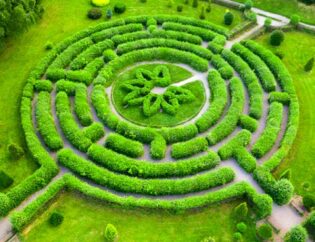
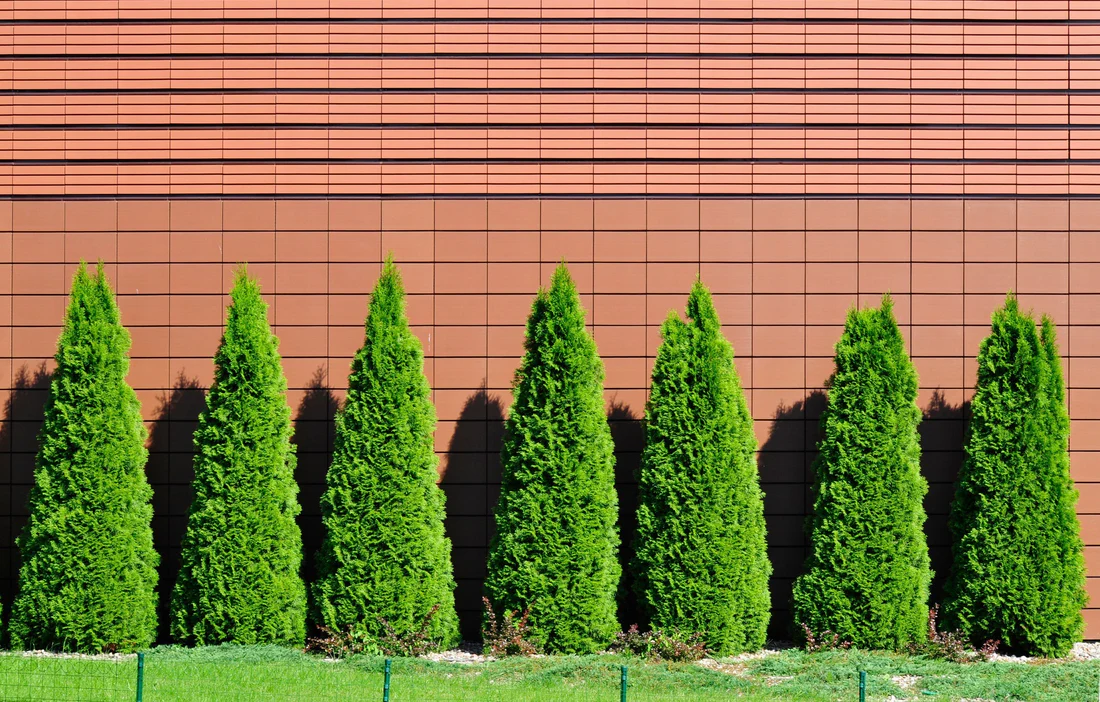
For effective protection against noise and dust, the hedge should be tall and dense. Plants with thick foliage, such as cypress, thuja, boxwood, and cedars, are excellent candidates for creating such barriers. These plants form dense walls that absorb sound waves and trap dust. Taller plants, such as cedars and oaks, can be used to create higher and more durable hedges, but they require more careful maintenance to maintain their shape.
Plants for living hedgerows should be resilient to adverse external conditions such as polluted air, strong winds, and temperature fluctuations. In an urban environment, it is essential to choose plants that can withstand extreme weather conditions. Thuja, boxwood, cypress, and ivy are plants that cope well with the urban climate and maintain their form and attractiveness throughout the year.
In our experience at Ecolandscape Studio, we always pay attention to the resilience of plants to various adverse conditions, which allows us to create long-lasting and effective green barriers.
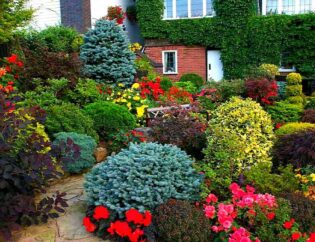
When choosing plants, it’s important to consider whether you want the hedge to maintain its green beauty all year round or if you are okay with plants that shed their leaves in winter. For year-round greenery, thuja, boxwood, and cypress are ideal. These plants not only retain their shape during the cold months but also continue to perform their protective functions. Deciduous plants, such as hydrangeas or viburnum, can be used for seasonal accents, creating vibrant color spots in the summer and fall, but they lose their leaves in winter.
Martin Palma, the founder and CEO of Ecolandscape Studio, says: “We always strive to ensure that our projects are not only beautiful but functional. Living hedgerows are a great solution for creating green barriers that not only decorate the site but also serve an important role in protecting against noise and polluted air. The correct choice of plants and proper care are key to the success of these tasks.”
How to Properly Plant and Care for a Living Hedge?
To ensure that your living hedge serves you for a long time and remains effective, it’s important to plant the plants properly and provide them with the necessary care. Here are a few steps that will help create a beautiful and functional hedge:
Prepare the soil before planting: Remove all weeds and stones, and add organic fertilizers. The soil should be light, well-drained, and nutrient-rich. This will help the plants develop and strengthen, ensuring their long-term growth and density.
Maintain optimal spacing when planting the plants: Typically, plants are planted 30–50 cm apart. If you want to speed up the process of creating a dense hedge, you can reduce this distance, but avoid planting the plants too close together, as it may disrupt their natural growth.
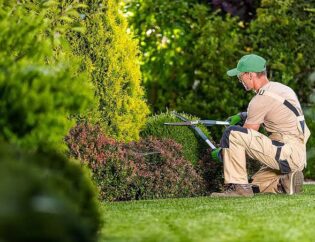
Regular pruning is an important part of hedge care: This helps maintain its shape and density. Prune the plants in early spring or autumn when they are not in their active growth phase. This will prevent any damage to the plants and preserve their decorative appeal. It’s important not to prune the plants too much, as this may interfere with their natural development.
Benefits of Living Hedgerows
- Noise Reduction: Living hedgerows can reduce noise levels by 20-30%, making them an excellent solution for properties located near roads or other noisy areas. They absorb sound waves, creating a quiet environment on your property.
- Air Purification: Plants such as ivy, spider plants, and sansevieria effectively clean the air by absorbing carbon dioxide and other pollutants. This improves the air quality on the site and contributes to a healthier atmosphere.
- Aesthetic Value: Living hedgerows not only serve protective functions but also enhance the landscape. By choosing the right plants, you can create beautiful and functional barriers that add greenery and privacy to your property.
A Practical Example from Ecolandscape Studio
In one of our projects, we used thuja and boxwood to create a living hedge on a property located near a busy road. This combination of plants not only provided protection from noise and dust but also became a beautiful decorative element that delighted the clients year-round.
Living hedgerows are the perfect solution for creating protective barriers that not only decorate your property but also shield you from noise, dust, and polluted air. At Ecolandscape Studio, we always strive to select plants that are ideal for your property and provide long-lasting protection and comfort. The right choice of plants, care, and regular pruning are the keys to ensuring that your living hedge will serve you for many years, providing both comfort and safety.