Growing edible plants among decorative ones has become a popular trend among gardeners and property owners. This approach not only helps integrate functionality and aesthetics but also contributes to creating an eco-friendly and sustainable landscape. At Ecolandscape Studio, we believe that properly selected plants that combine both decorative beauty and edibility can become an important part of any landscape design. In this article, we share the key secrets to growing edible plants in harmony with decorative ones to create a garden that is both beautiful and useful.
Why Grow Edible Plants Among Decorative Ones?
Growing edible plants in a decorative garden has several significant advantages that improve not only the appearance of the plot but also its functionality. Firstly, it saves money, as you can provide yourself with fresh herbs, vegetables, and greens directly from your garden. Secondly, this approach helps improve soil quality and the surrounding environment, as most edible plants require organic care methods and minimal use of chemicals.
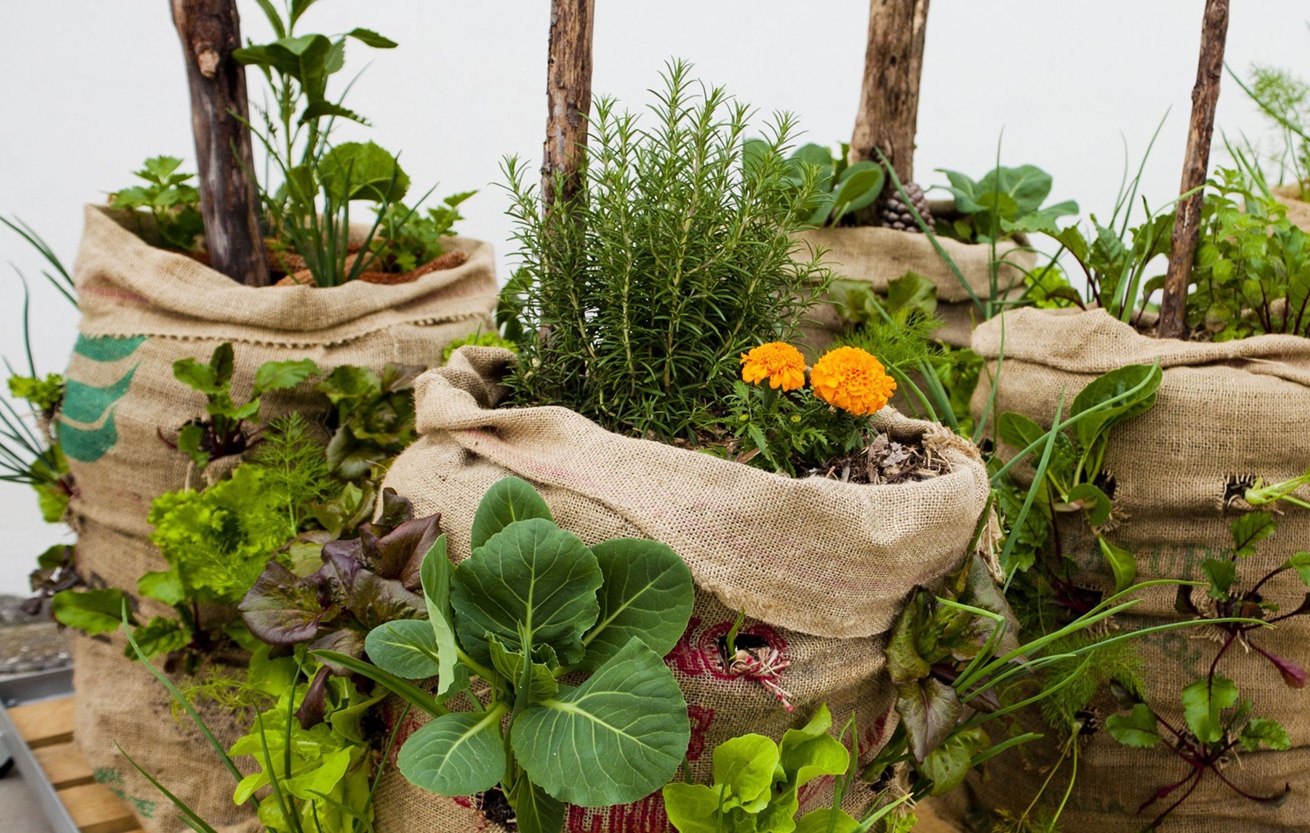
Edible plants can become true highlights in landscape design. For example, bright red tomatoes or purple eggplants can not only bear fruit but also please the eye with their unusual colors. Additionally, plants such as basil, parsley, or lettuce have attractive green foliage, which harmonizes beautifully with decorative plants.
Martin Palma, the founder and CEO of Ecolandscape Studio, notes: «We see a growing interest among our clients in creating functional and beautiful gardens that integrate edible plants. This is not only a trendy solution but also a step toward ecological landscaping, improving quality of life, and providing healthy products right from your own garden.»
How to Properly Select Plants for a Culinary Garden?
Choosing plants for a culinary garden among decorative ones requires attention and consideration of several important factors. First, it’s essential to select plants that will harmonize well with each other, and second, it’s crucial to account for the climatic features of the region where the garden will be located.
To start, it’s worth noting that many edible plants have an attractive appearance and can serve as vibrant accents. For example, herbs like thyme or lavender not only have a pleasant aroma but also beautiful foliage, which looks great next to decorative plants. Tomatoes, in turn, have bright fruits that not only please the eye but can also be used in cooking.
It’s also important to consider the plant’s requirements for light, moisture, and temperature conditions. For instance, tomatoes, peppers, and eggplants are heat-loving plants that need plenty of sunlight and moderate watering. In contrast, lettuce and parsley are more resistant to cooler temperatures and do better in partial shade.
Caring for a Culinary Garden Among Decorative Plants
After selecting the plants for your culinary garden, it’s important to provide proper care. Edible plants require regular watering, especially during hot summer months. However, it’s important to remember that excess moisture can lead to root rot, especially in plants like tomatoes and peppers. Ensuring good drainage and moderate watering are key to successful growth.
To ensure that the plants receive necessary nutrients, it’s important to regularly fertilize the soil with organic fertilizers such as compost or manure. These fertilizers help improve soil structure and provide plants with essential trace elements.
It’s also important to consider protection from pests. Edible plants are often susceptible to insect attacks, such as aphids or slugs, especially during the early stages of growth. In such cases, organic pest control methods, such as soapy water or garlic infusion, can be used. These methods are safe for the plants and the environment.
Why is it Important to Integrate Decorative and Edible Plants?
Combining decorative and edible plants on your plot helps create not only an aesthetically pleasing space but also enhances its functionality. First, you have the opportunity to harvest fresh produce directly from your garden, which significantly reduces the cost of buying vegetables, herbs, and greens. Secondly, these plants help improve the ecosystem of your garden by promoting biodiversity.
Additionally, using organic care methods for the plants helps improve soil quality and reduce the ecological burden on the plot. This is important not only for the health of the plants but also for the environment as a whole.
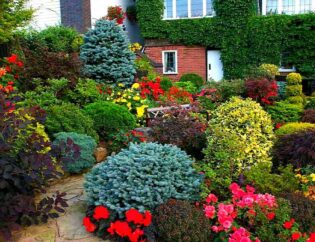
In one of our projects, we successfully integrated edible plants among decorative ones. We selected plants such as parsley, lettuce, and basil, which harmonized well with decorative plants like lavender, petunias, and fuchsia. We created a multi-layered composition, where the edible plants occupied the foreground, and tall decorative plants provided a backdrop for the greenery.
This combination not only provided visual interest but also allowed the garden owners to harvest fresh herbs and vegetables at any time. This approach proved effective and became a striking example of functional and aesthetic use of space.
Edible plants integrated into a decorative garden become not only its decoration but also an essential part of daily life, providing fresh produce and creating harmony in your landscape design. At Ecolandscape Studio, we always find a balance between aesthetics and functionality, creating projects that bring both benefits and joy to their owners.
Choosing the right plants, providing proper care, and using organic methods to maintain plant health will help you create a unique garden that pleases the eye, provides benefits, and maintains harmony with nature. We are ready to help you design and implement a project that combines beauty and practicality in your garden.