Garden paths are much more than just a way to move from one part of the yard to another. They create visual lines, set the rhythm of a walk, and help highlight key features, shaping the overall perception of the garden. At Ecolandscape Studio, we believe that the right choice of path shape and material can completely transform the atmosphere of a garden, making it both functional and visually striking.
“A path is not just a route; it’s a kind of journey through your garden. It guides the eye to key points and sets the mood,” says Martin Palma, founder and CEO of Ecolandscape Studio. According to him, every line, curve, and texture is carefully considered to ensure that walking through the garden is an emotionally rich and inspiring experience.
Paving Materials: From Practicality to Aesthetics
The choice of paving material determines not only the visual impression but also the functionality of the path. Stone, tiles, wood, or gravel — each material creates its own unique effect.
- Large tiles or concrete slabs create a modern minimalist style, emphasizing clean lines and architectural clarity.
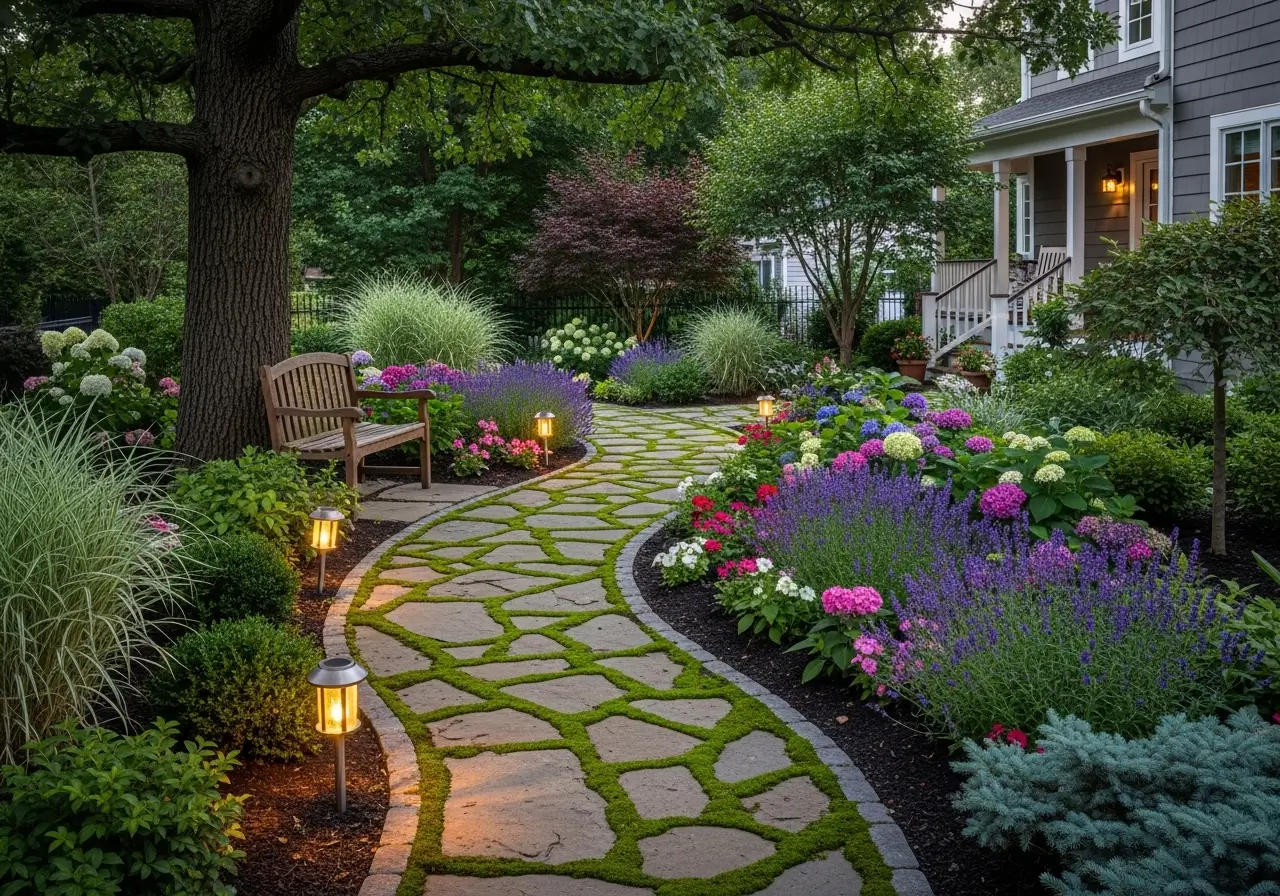
- Natural stone adds a sense of authenticity and warmth, especially when used with gentle elevation changes or combined with greenery.
- Wooden decking and planks bring warmth and visual lightness, particularly on terraces and near water features.
- Gravel or small pebbles make paths feel more “alive,” and their soft sound underfoot enhances the sense of harmony and connection with nature.
Sometimes, we combine materials: stone inlays in gravel paths or wooden strips between tiles help add texture and highlight key visual points in the garden.
Path Shape: Guiding the Eye and Creating Space
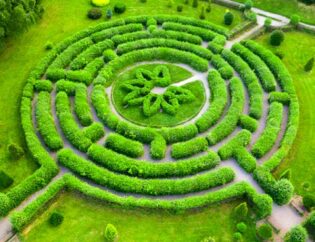
Straight lines emphasize architectural order and create a sense of structure, particularly in smaller gardens. Curved paths, on the other hand, visually expand the space and make the walk more engaging. Winding paths work especially well in larger gardens or spaces with diverse plantings, allowing visitors to “discover” new compositions gradually, much like in a landscaped park.
Contrasts and Combinations: Playing with Color and Texture
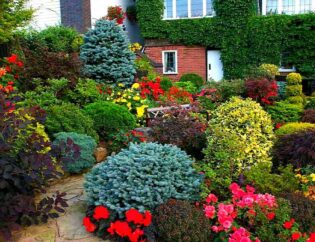
Using a variety of materials, colors, and textures adds dynamism and turns the path into a full-fledged design element. For example, dark stone against light gravel can emphasize the way to a fountain, while tile or wood inserts visually highlight resting areas. Thoughtful contrasts help guide the visitor’s eye toward key zones, making the walk through the garden intentional and engaging.
Path Lighting: Evening Ambience
Low lights and edge lighting not only provide safety but also highlight the texture of materials. Light becomes a design tool: it can emphasize curves, accentuate plants, or highlight sculptural elements. In the evening, this kind of lighting transforms the garden into an atmospheric space, making the walk not just functional, but an emotional part of the experience.
Practicality and Maintenance: What to Consider
Paths also help organize the garden. They divide the area into zones — seating areas, flower beds, play spaces, or decorative features. When designing a path, it’s important to consider not only shape and aesthetics but also ease of maintenance: the path should allow convenient access to plants, lawns, or water features. A well-planned drainage system and quality paving protect the garden from erosion and keep the paths looking attractive for years to come.
Martin Palma adds: “Every path is a little journey through your garden. We design them so that every step brings pleasure and reveals new points of interest, creating visual stories throughout the space.”