The visual character of a garden is determined by far more than the number of plants or the diversity of species it contains. What truly defines a successful landscape is the way individual elements interact with one another, forming a unified spatial composition that creates a sense of harmony, balance, and natural continuity. Martin Palma, founder and CEO of Ecolandscape Studio, analyzes the influence of plant forms, textures, and colors on landscape architecture and explains that the thoughtful combination of these characteristics allows designers to create gardens with a distinctive identity and a sophisticated spatial structure. Every silhouette, every foliage tone, every texture, and every seasonal transformation becomes part of a carefully organized composition that gradually reveals itself as people move through the landscape, creating an emotional connection with the surrounding environment while reinforcing the architectural integrity of the entire property.
During the design process, every plant is evaluated not simply as an attractive botanical specimen but as a structural architectural element with a clearly defined role within the composition. Mature trees establish the vertical framework of the landscape, shrubs create transitional layers between different spatial levels, perennial planting connects individual garden areas, while groundcover vegetation forms a continuous visual foundation that unifies the entire composition. We believe that assigning specific architectural functions to every planting group creates a natural balance where each element enhances the qualities of the others without disturbing the overall harmony of the landscape. This disciplined approach transforms planting design from simple decoration into a sophisticated architectural language capable of organizing space with remarkable precision.
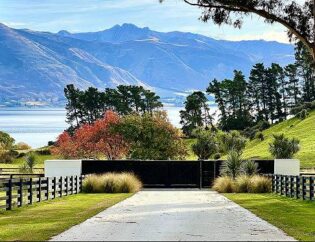
The diversity of plant silhouettes plays an equally important role in shaping spatial perception. Columnar forms emphasize height and naturally guide the eye upward, rounded canopies introduce visual stability and softness, while spreading crowns connect different areas of the property into one cohesive environment. At Ecolandscape Studio, we analyze the placement of every plant to ensure that its mature form contributes to the overall perspective of the site while reinforcing depth, creating visual rhythm, and supporting the architectural framework of the garden throughout every season. This careful orchestration of plant forms allows the landscape to develop a sense of movement and balance that remains engaging regardless of changing weather or seasonal conditions.
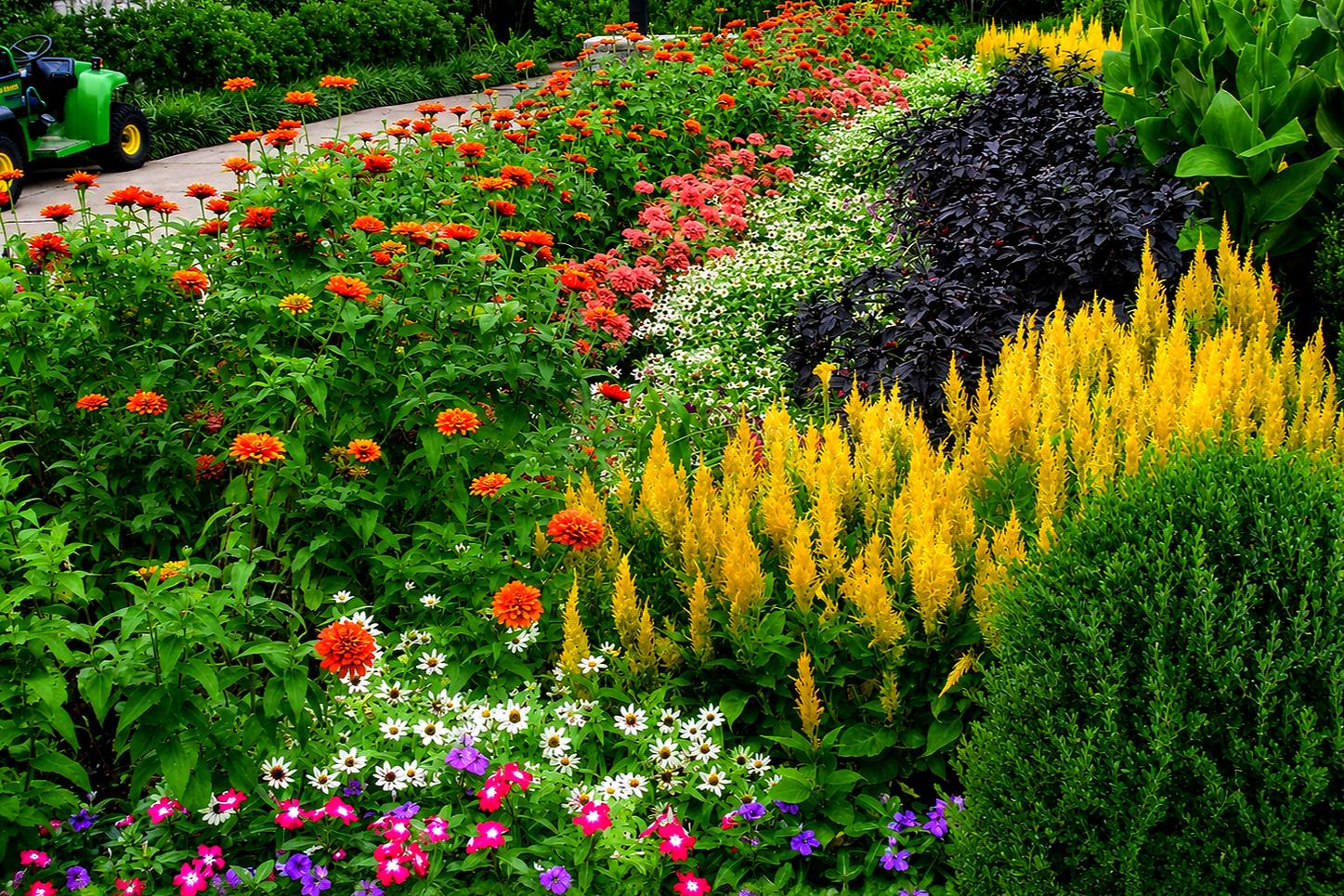
Plant texture introduces another essential layer of visual complexity. Leaf size, branching structure, crown density, evergreen foliage, ornamental grasses, and flowering perennials each contribute unique tactile qualities that enrich the composition without relying on excessive decorative features. We recognize that the interaction between contrasting textures gives the landscape its visual richness, encouraging people to discover new details every time they experience the garden. This subtle complexity prevents monotony while allowing the outdoor environment to remain elegant, refined, and visually engaging throughout the year.
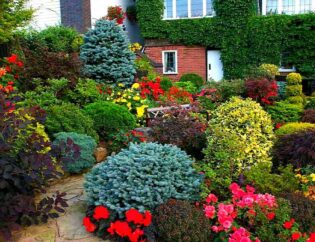
Color requires the same level of thoughtful planning as spatial organization. Foliage tones, seasonal flowering, decorative bark, young shoots, autumn transformations, and evergreen planting should all contribute to one coordinated architectural palette rather than functioning as unrelated visual attractions. Specialists at Ecolandscape Studio note that professional color composition is not achieved by maximizing brightness but by creating carefully balanced transitions between different shades and seasonal changes. This gradual evolution establishes visual harmony while preserving the calm, sophisticated character that distinguishes exceptional landscape architecture.
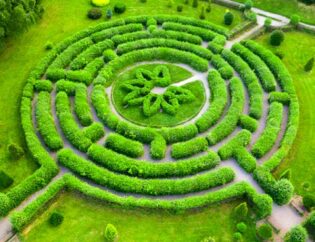
Equally significant is the compositional rhythm created through the repetition of similar forms, textures, and color relationships across different parts of the property. This recurring visual language naturally unifies the landscape while allowing the eye to move comfortably from one area to another without experiencing visual interruption. We see this as one of the most effective methods of creating landscapes where every focal point contributes to a larger architectural composition instead of competing independently for attention. Such continuity strengthens both the clarity and the emotional quality of the outdoor environment.
Seasonal transformation also becomes a defining characteristic of successful landscape design. A professionally designed garden should remain architecturally expressive not only during the flowering season but throughout spring, summer, autumn, and winter. This continuity is achieved through carefully selected plant silhouettes, varied foliage colors, decorative bark, evergreen structure, and a composition capable of maintaining its visual identity regardless of seasonal change. We emphasize that long term planning allows landscapes to remain attractive and compositionally balanced throughout the entire year rather than depending on brief periods of maximum ornamental effect.
Experience consistently demonstrates that the most memorable landscapes are created not through the quantity of plants but through the intelligence of their relationships. When forms, textures, proportions, and colors reinforce one another, the landscape gains remarkable spatial depth while developing its own distinctive architectural personality. Such compositions feel natural, refined, and comfortable because every element contributes meaningfully to the overall experience instead of seeking individual attention.
Ultimately, plant forms and colors become powerful architectural tools capable of shaping volume, directing perspective, establishing rhythm, and influencing the emotional atmosphere of an outdoor environment. At Ecolandscape Studio, we believe that the professional integration of silhouettes, textures, and color relationships transforms ordinary planting into a sophisticated compositional system that preserves harmony, architectural clarity, and lasting aesthetic value while allowing the landscape to remain expressive, functional, and visually inspiring for many years.