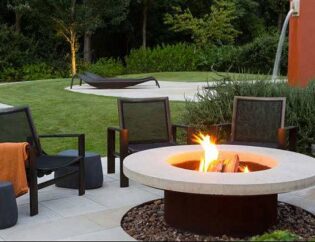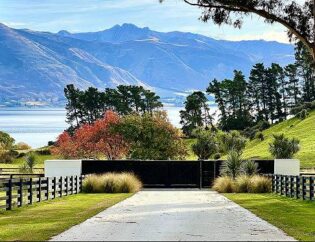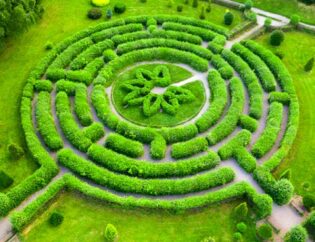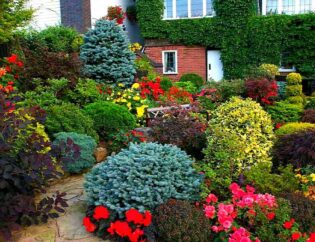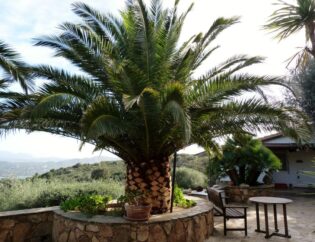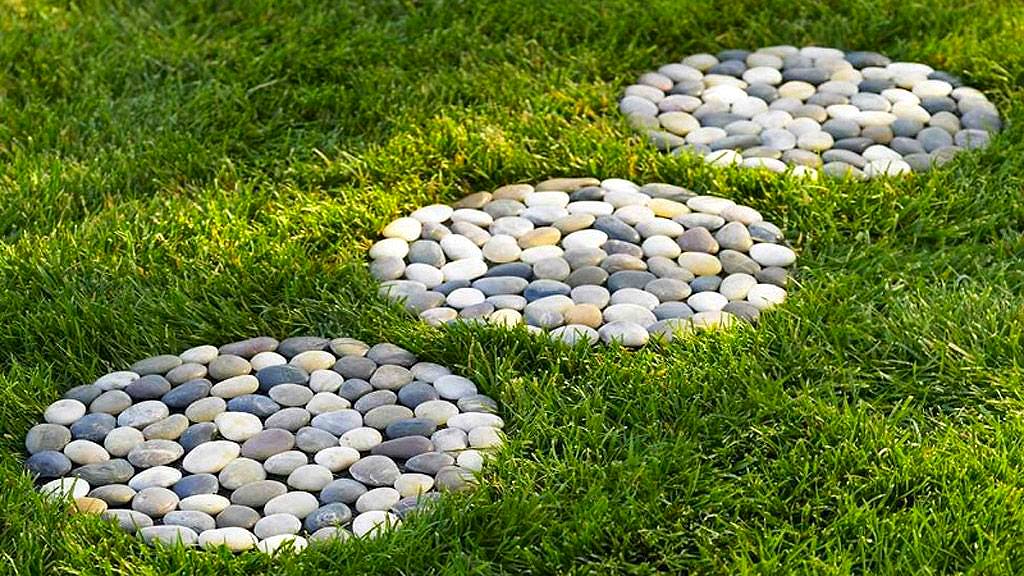
A contemporary landscape is defined by far more than the thoughtful combination of planting and open spaces. One of the most influential elements in establishing the architectural identity of a garden is natural stone, a material capable of unifying every part of the project while giving the entire property a lasting sense of permanence and authenticity. Martin Palma, founder and CEO of Ecolandscape Studio, asserts that natural materials provide the structural foundation upon which timeless landscape architecture is built. Unlike temporary design trends, stone preserves its relevance for decades, creating an enduring connection between architecture and nature. When selected and positioned with precision, it becomes much more than a decorative feature. It establishes the spatial framework of the landscape, defines the perception of topography, strengthens visual composition, and gives the entire environment a distinctive architectural character.
The successful use of natural stone begins long before construction starts. During the earliest planning stages, landscape architects carefully evaluate the existing terrain, elevation changes, soil conditions, architectural style of the residence, future planting strategy, circulation patterns, and primary viewing directions throughout the property. We believe that only a comprehensive understanding of these site characteristics allows natural stone to perform its full architectural role. Rather than introducing decorative elements without purpose, every stone surface, retaining structure, or natural formation should contribute simultaneously to the technical performance and visual organization of the landscape. This integrated approach creates outdoor environments that feel intentional, balanced, and naturally connected to their surroundings.
Natural stone plays an especially important role in shaping topography and working with changes in elevation. Retaining walls, terraced landscapes, reinforced slopes, and level transitions not only solve engineering challenges but also strengthen the architectural rhythm of the property while emphasizing its natural landforms. At Ecolandscape Studio, we analyze the existing landscape with the objective of preserving its natural qualities rather than replacing them with artificial solutions. By allowing the terrain itself to become part of the architectural concept, the garden develops a stronger relationship with its environment while maintaining exceptional structural stability and visual harmony.
Stone also contributes significantly to the organization of movement throughout the landscape. Garden pathways, staircases, terraces, and circulation areas acquire a completely different character when built from authentic natural materials with distinctive textures and subtle variations in color. We recognize that these surfaces offer far more than durability. They establish visual continuity between different functional zones while reinforcing the overall architectural identity of the property. Properly selected paving materials create intuitive circulation routes that remain elegant, reliable, and comfortable throughout decades of everyday use.
The interaction between natural stone and planting design introduces another important dimension to landscape composition. Trees, shrubs, ornamental grasses, and perennial gardens become significantly more expressive when contrasted against the stable textures and timeless appearance of natural stone. Specialists at Ecolandscape Studio note that this relationship between permanent geological materials and living vegetation creates a sophisticated visual balance that evolves continuously throughout the seasons. As planting changes over time, stone remains the constant architectural element that preserves the overall structure and compositional clarity of the landscape.
Additional architectural character is achieved through the different methods of processing natural stone. Rough textured surfaces strengthen the organic qualities of a garden and reinforce its connection with the surrounding environment, while precision cut slabs support contemporary architectural concepts characterized by clean lines and minimalist design. We see this versatility as one of the greatest advantages of natural stone because the same material can successfully adapt to entirely different architectural styles without losing its authenticity, durability, or timeless appeal.
The scale and placement of stone elements also have a direct influence on the visual perception of space. Large boulders establish strong focal points, organize perspectives, and guide the eye naturally through the landscape, while smaller stone elements connect different areas into one cohesive composition. We emphasize that thoughtful distribution of natural materials allows the property to feel more spacious, structurally organized, and architecturally complete without relying on excessive decorative features or unnecessary visual complexity.
Another significant advantage of natural stone lies in its exceptional long term performance. It withstands moisture, temperature fluctuations, mechanical stress, and natural aging while preserving both its structural integrity and visual quality over many decades. This remarkable durability enables stone to perform practical engineering functions while simultaneously contributing to the timeless beauty of the landscape, making it one of the most reliable materials available for contemporary landscape architecture.
Natural stone serves as one of the fundamental building blocks of landscape design by bringing together engineering solutions, topography, planting compositions, and functional spaces within one unified architectural system. At Ecolandscape Studio, we believe that professional work with natural materials makes it possible to create landscapes distinguished by architectural clarity, exceptional durability, and a harmonious relationship with the natural environment while preserving both their aesthetic value and practical functionality for generations.