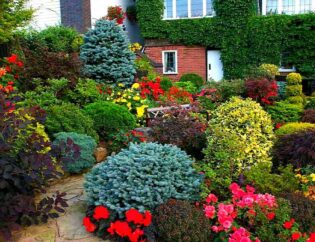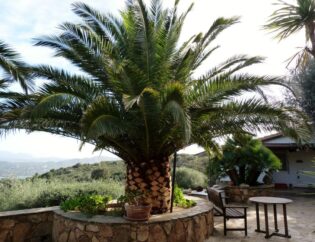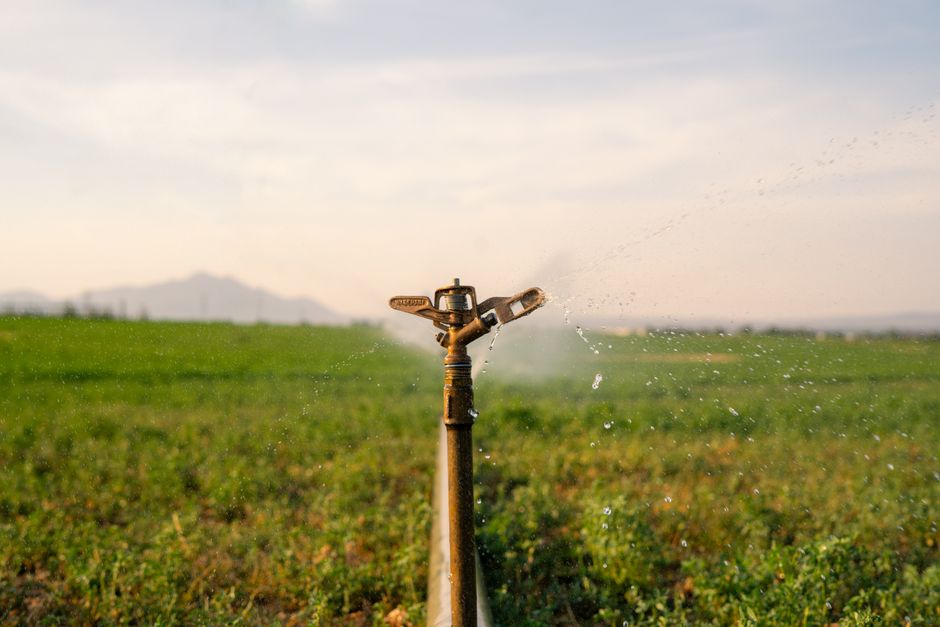
Summer in Orange County brings longer days, higher temperatures, and a sharp rise in residential water use. For many homeowners, the lawn and garden account for the largest share of that seasonal spike. Orange County Utilities has stepped up its outreach this year, encouraging residents to water smarter as peak irrigation season sets in. For anyone thinking about backyard landscaping ideas or planning a refresh of their front yard landscaping, this is a good moment to look at how landscape design choices directly affect water consumption.
The core message from Orange County Utilities is straightforward: most residential landscapes are being overwatered, and a few simple adjustments can make a meaningful difference. Irrigation systems set on automatic schedules often run regardless of recent rainfall, soil moisture levels, or actual plant needs. The utility recommends that homeowners check their irrigation controllers, adjust run times based on current weather, and take advantage of rain sensor technology that pauses watering after precipitation. These are not complicated fixes, but they require attention and a basic understanding of how your yard landscaping design actually functions.
Smart irrigation is not just about cutting a water bill. It connects directly to the health of your planting design and the long-term performance of your outdoor living space. Overwatering is one of the most common causes of lawn disease, root rot, and poor plant establishment. When a residential landscape design is built around plants that match the local climate, proper irrigation scheduling becomes much easier to manage.
Drought tolerant garden design and xeriscape garden design principles are increasingly relevant here. These approaches prioritize plants with lower water needs, improved soil preparation, and mulching strategies that reduce evaporation. A well-designed xeriscape is not a bare gravel yard — it can be a layered, textured, and visually rich space that simply requires less water to stay healthy. Native plant garden design fits naturally into this framework, since locally adapted species are already calibrated to the rainfall patterns and soil conditions of Central Florida.
Rain garden design is another practical tool for homeowners dealing with summer downpours followed by dry spells. A rain garden captures and filters stormwater runoff, allowing it to slowly absorb into the ground rather than washing away. This supports water-wise landscaping goals while also improving drainage and reducing erosion in the yard.
Martin Palma, founder and CEO of Ecolandscape Studio, has observed this pattern consistently across residential projects in the region. In his experience, homeowners who invest in a thoughtful planting design from the start spend far less time and money managing irrigation problems later. When the plant palette is matched to the site conditions and the irrigation zones are designed around actual plant groupings rather than convenience, the system works with the landscape instead of against it.
For homeowners who want to act on the utility’s recommendations without overhauling their entire landscape, a few targeted changes can deliver real results. Adjusting irrigation run times to water deeply but less frequently encourages deeper root growth and reduces surface evaporation. Watering in the early morning, before temperatures rise, also limits moisture loss before plants can absorb it.
Lawn alternatives are worth considering for areas where turf struggles or where irrigation demand is highest. Ground covers, ornamental grasses, and low maintenance garden design solutions can replace high-water turf zones while still providing visual interest and a finished look. For small backyard design projects, replacing a section of lawn with a planted bed or a permeable patio landscaping area can reduce irrigation needs significantly.
Mulching is one of the simplest and most effective tools in water-wise landscaping. A two to three inch layer of organic mulch around planting beds retains soil moisture, moderates soil temperature, and reduces the frequency of irrigation needed. It also suppresses weeds, which compete with plants for water and nutrients.
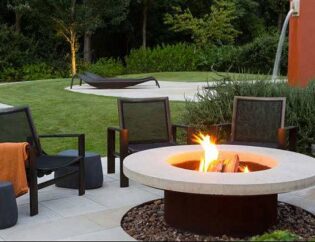
Landscape lighting ideas and garden edging ideas may seem unrelated to irrigation, but they are part of the same design conversation. A well-considered outdoor living space design accounts for how water moves through the yard, where plants are grouped, and how the overall layout supports both function and appearance. Privacy landscaping with dense plantings, for example, may require a different irrigation approach than an open front yard with low-growing groundcovers.
The guidance from Orange County Utilities is a useful reminder that modern garden design and responsible water use are not in conflict. With the right plant choices, a sensible irrigation schedule, and a landscape layout that works with the local climate, it is entirely possible to have a beautiful, functional yard that does not strain water resources during the hottest months of the year. For homeowners planning any kind of residential landscape design update this season, starting with irrigation efficiency is one of the most practical decisions they can make.