Keeping a yard green and healthy through the warmer months sounds simple until the water bill arrives. For many homeowners, lawn irrigation is one of the biggest hidden costs in residential landscape design, and most of that water is lost to poor timing, inefficient equipment, or habits that made sense decades ago but no longer hold up. A few practical adjustments to how and when you water can make a real difference, both for your garden and your monthly expenses.
Austin Water has shared guidance that applies well beyond Texas. The core message is straightforward: most residential lawns and garden beds receive far more water than they actually need, and smarter irrigation habits can reduce that waste without sacrificing the health of your planting design or outdoor living space.
Watering in the early morning, before 10 a.m., is one of the most effective changes a homeowner can make. At that time of day, temperatures are lower, wind is calmer, and water has time to soak into the soil before evaporation takes over. Evening watering, by contrast, leaves moisture sitting on plant foliage overnight, which encourages fungal problems and disease in garden beds.
Most established lawns only need about one inch of water per week, including rainfall. Overwatering is genuinely one of the most common mistakes in yard landscaping design, and it does not just waste money. It weakens grass roots, encourages shallow growth, and makes plants more vulnerable to heat and drought stress over time. A simple rain gauge placed in the yard gives you an accurate picture of how much water your lawn is already receiving from natural rainfall, so you can adjust your irrigation schedule accordingly.
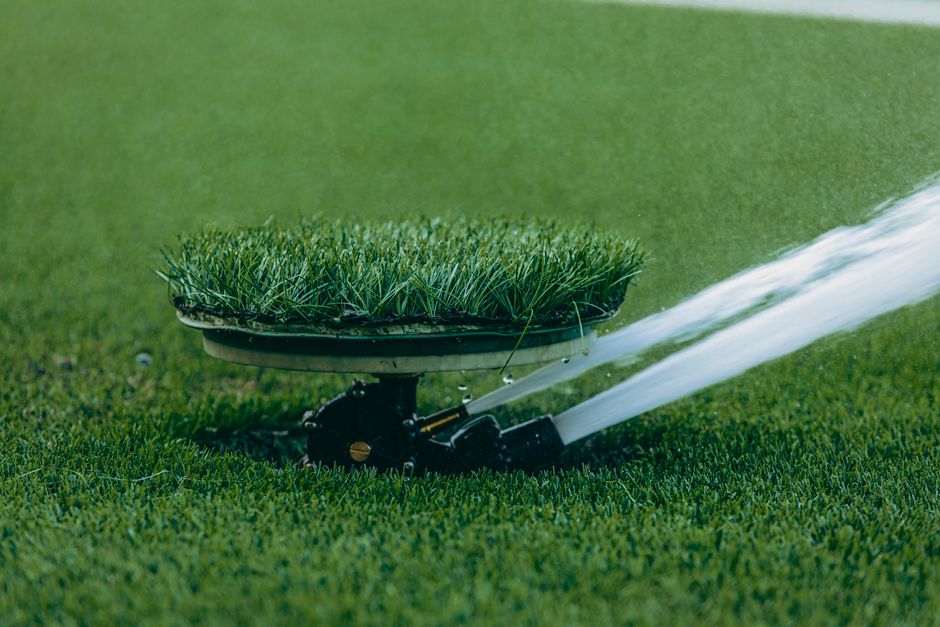
Sprinkler systems should be checked regularly for broken heads, misaligned nozzles, and coverage overlap. A sprinkler that waters the sidewalk or driveway is not just inefficient, it is a straightforward waste that adds up over an entire season. Adjusting spray patterns to target only planted areas is a basic step that many homeowners overlook during routine yard maintenance.
Soil type also affects how you should irrigate. Clay soils absorb water slowly and hold it longer, while sandy soils drain quickly and may need shorter, more frequent watering cycles. Understanding your soil helps you avoid runoff, which carries water, nutrients, and sometimes topsoil away from your garden before plants can benefit from any of it.
Switching to drip irrigation for garden beds, shrubs, and foundation plantings is one of the most effective upgrades in water-wise landscaping. Drip systems deliver water directly to the root zone, reducing evaporation and keeping foliage dry. They work particularly well in drought tolerant garden design and native plant garden design, where precise, consistent moisture at the root level supports healthy establishment without excess.
Mulching is another practical tool. A two to three inch layer of organic mulch around plants and in garden beds slows evaporation, moderates soil temperature, and reduces how often you need to water. It also improves soil structure over time, which benefits planting design across the whole property.
Martin Palma, founder and CEO of Ecolandscape Studio, has seen this pattern consistently across residential projects: homeowners who invest in a proper irrigation audit before the growing season begins almost always discover they have been overwatering by 30% or more. In his experience, the combination of a smart controller, adjusted run times, and a layer of mulch across garden beds is enough to cut irrigation costs significantly without any visible change in how the yard looks or performs.
Smart irrigation controllers, sometimes called weather-based controllers, adjust watering schedules automatically based on local weather data and evapotranspiration rates. They are a practical upgrade for any home with an existing sprinkler system and tend to pay for themselves within a season or two through reduced water use.
Lawn alternatives are also worth considering for areas that are difficult to irrigate efficiently, such as slopes, narrow strips, or shaded zones. Ground covers, ornamental grasses, and low maintenance garden plantings can replace turf in spots where grass struggles anyway, reducing both water demand and ongoing maintenance.
For front yard landscaping ideas that balance curb appeal with water efficiency, native plant garden design offers a strong foundation. Native plants are adapted to local rainfall patterns and soil conditions, which means they typically need little to no supplemental irrigation once established. They also support pollinator garden design goals, adding ecological value to the property alongside practical savings.
The broader point is that water-efficient landscaping is not about having a less attractive yard. It is about making choices that work with your local climate rather than against it. Whether you are planning a small backyard design, rethinking your patio landscaping ideas, or looking at the full picture of your residential landscape design, irrigation efficiency is one of the most practical places to start. The savings are real, the results are visible, and the habits, once in place, require very little effort to maintain.









