As Martin Palma, the founder and CEO of Ecolandscape Studio, said:
«By observing the evolution of landscape design, we learn from the past and find ways to integrate these lessons into ecologically sustainable and aesthetically pleasing projects for our clients. History helps us see how ideas and technologies have changed, but what remains constant is the desire for harmony with nature.»
Today, we offer you a unique look at the history of landscape design, which will not only help understand its development but also show how this knowledge can be applied in modern design.
Ancient Egypt and Mesopotamia: The First Steps of Landscape Design
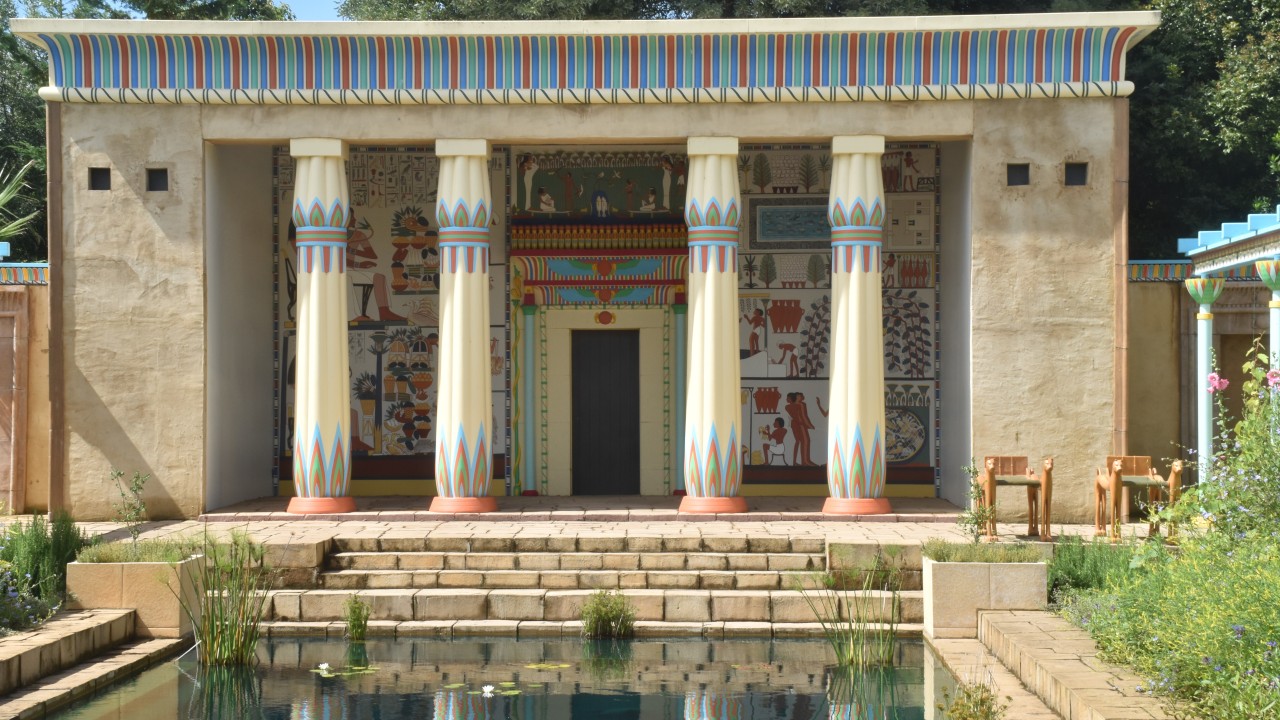
In Ancient Egypt and Mesopotamia, the first elements of what we now call landscape design appeared. These were artificial oases and gardens built upon complex irrigation systems. These gardens symbolized power and prosperity. Mesopotamia became home to the famous Hanging Gardens of Babylon, one of the Seven Wonders of the World, which embodied the technological achievements and innovations of their time.
For Egypt, gardens were also significant in religious practices, where plants and trees were used as metaphors for eternity. In these cultures, gardeners and architects were among the first to recognize the importance of symmetry and the use of natural elements in aesthetics.
Ancient Greece and Rome: Philosophy and Nature
With Ancient Greece and Rome, a new stage in landscape design began, as gardens started to fulfill not only practical but also philosophical roles. Gardens became spaces for intellectual gatherings where philosophers discussed important life, nature, and existence topics. The Greeks focused on harmony, symmetry, and balance, which were also reflected in their garden designs.
The Romans continued these traditions and introduced new architectural elements to landscape design. Villas with luxurious gardens became symbols of Roman civilization, where each garden was carefully planned considering water, light, and plant textures. An example of such gardens is the Villa Adriana and other Roman villas, where the blend of nature and architecture created unique natural compositions.
The Middle Ages: Symbolism and Religion in Garden Design
The Middle Ages brought deep symbolism to landscape design. Monastic gardens were filled with religious symbols and used for meditation and reflection. Geometric shapes and strict symmetry dominated. Nature represented divine harmony, and the elements of the gardens served as sacred and comforting spaces for the faithful.
Monastic gardens became important not only for spiritual satisfaction but also for practical purposes, such as growing medicinal plants and vegetables. During this period, the tradition of using natural elements to create spaces aimed at inner harmony began to take shape.
Renaissance and Baroque: Art in Landscape Design
The Renaissance revived interest in antiquity, and garden design became more complex and artistic. The Italian garden style emerged, incorporating elements of strict symmetry, water, and sculptures. This era marked the time when architecture and gardening became inseparable parts of great art. Gardens at palaces, such as the Boboli Gardens in Florence, became symbols of grandeur and power.
Baroque continued these traditions but placed a greater emphasis on grandeur and opulence. The Gardens of Versailles, which became the epitome of Baroque design, used every element of the garden — from pathways to fountains — to express the power and magnificence of human genius.
Landscape Gardens of the 18th Century: A Return to Nature
English landscape gardens of the 18th century marked a revolution in landscape design, moving away from strict symmetry and focusing on the natural beauty of nature. Under the guidance of masters like Capability Brown, gardens became more natural and organic. The goal was to create an illusion of wilderness and freedom, although it was carefully controlled through skilled landscape manipulation.
These gardens were not only aesthetic but also functional, including ponds, water features, and hills that harmonized with the natural landscape.
Modern Trends and Sustainable Landscape Design
With the development of technology and environmental movements in recent decades, landscape design has taken an important step toward sustainability. Gardens and green spaces began to include smart irrigation systems, solar panels, hydroponics, and rain gardens, reducing environmental impact and using resources more efficiently.
At Ecolandscape Studio, we believe that landscape design should be not only beautiful but also ecological. Modern technologies enable the creation of harmonious and functional spaces that minimize negative effects on the environment. As Martin Palma noted, «Sustainable design and attention to ecology are the foundation on which our projects are built. We aim to create spaces that benefit not only people but also the environment.»
The history of landscape design is a story of the interaction between humans and nature. Each style, from the ancient gardens of Egypt to modern ecological solutions, reflects changes in culture, philosophy, and technology. Today, as in the past, the task of landscape designers is to create harmonious and functional spaces that bring joy and serve people. At Ecolandscape Studio, we not only study these traditions but also actively integrate them into our projects, creating unique, sustainable, and ecological landscapes for our clients.