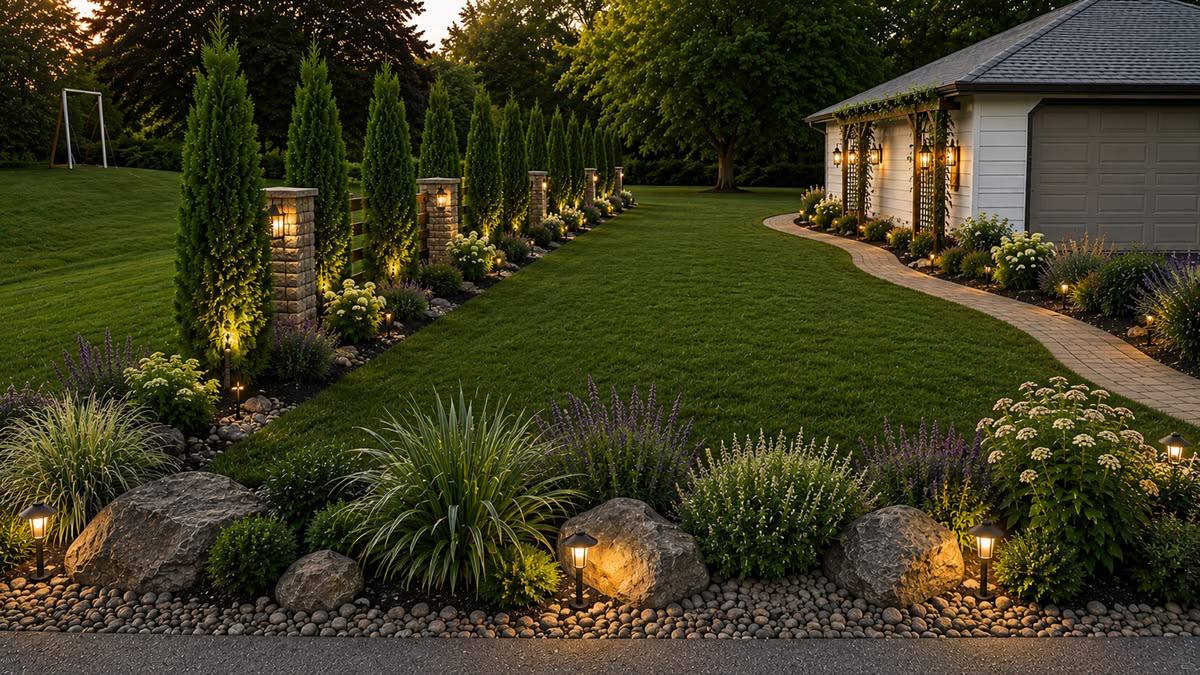
One of the most underestimated mistakes in landscape architecture does not become visible during design or even during construction, but months after project completion. A space may look flawless on opening day – perfectly installed surfaces, fresh planting, expressive green masses, and a carefully balanced composition create a powerful first impression. However, without a well-planned maintenance strategy, even the most visually impressive project can begin losing quality far faster than a developer expects. Martin Palma, founder and CEO of Ecolandscape Studio, believes that the long-term value of a landscape project is determined not only by the quality of execution, but by how deeply maintenance considerations were embedded into the architecture of the space itself. This is why maintenance should not be treated as a post-project process, but as a fundamental part of design strategy.
A common misconception is that maintenance begins after the project is completed. In reality, maintenance starts much earlier – at the moment design decisions are made. The selection of plants, materials, irrigation systems, drainage logic, and even spatial zoning directly affects future operating costs, maintenance frequency, and the long-term resilience of the environment. A space that looks beautiful only under constant intensive care can quickly transform from a premium asset into a source of continuous expense and operational complexity. Specialists at Ecolandscape Studio analyze the lifecycle of landscape projects and note that many expensive problems arise not because of poor maintenance, but because of mistakes embedded at the conceptual stage.
Plant strategy is especially critical. Poor plant selection in relation to climate, sun exposure, wind loads, or soil conditions inevitably creates long-term operational risks. Plants may require excessive watering, constant replacement, intensive pruning, or continuous protection from environmental stress. Premium landscape design should not depend on endless correction of preventable mistakes. It must be resilient from the beginning. At Ecolandscape Studio, we analyze planting systems as long-term living mechanisms and observe that strong projects are built around species selection that reduces maintenance pressure without compromising aesthetic quality.
Material selection is equally important. At the visualization stage, many solutions appear highly attractive, yet their real-life performance may fall far below expectations. Certain surfaces quickly lose visual quality, while some materials respond poorly to moisture, temperature fluctuations, or heavy foot traffic. This leads to accelerated aging, higher replacement costs, and reduced perceived value of the property. Specialists at Ecolandscape Studio note that premium materials should be evaluated not only through aesthetics, but also through durability, service intervals, and long-term behavior under real conditions.
Engineering logic also has a major influence on maintenance efficiency. Drainage, irrigation systems, water management, surface slopes, and service accessibility are often underestimated during concept development, even though they directly shape operational efficiency. Even a visually strong project can become highly problematic if basic maintenance requires excessive resources or overly complex technical processes. At Ecolandscape Studio, we believe effective landscape design must consider not only user experience, but also the reality of long-term operation. A beautiful environment should be visually powerful while remaining operationally sustainable.
From a commercial perspective, maintenance strategy directly influences project ROI. Properties where maintenance is considered in advance preserve their premium appearance more effectively, require fewer unexpected expenses, and retain higher market value for longer periods. At Ecolandscape Studio, we see maintenance planning as one of the defining factors of mature landscape architecture, where success is measured not only by project completion, but by how well a space preserves its aesthetics, functionality, and commercial attractiveness years after delivery.









