A recent landscaping project at a Utah correctional facility has caught the attention of water conservation advocates and landscape professionals alike. The facility completed a large-scale conversion of its outdoor grounds, replacing traditional grass lawns with drought tolerant plantings and water-wise landscaping solutions. The result was a reduction of millions of gallons of water use annually — a number that speaks for itself when you consider how much water conventional turf consumes in a dry climate like Utah’s.
This kind of project is not just a story about one institution making a smart choice. It is a clear signal about where residential landscape design is heading, and what homeowners can realistically achieve on their own properties.
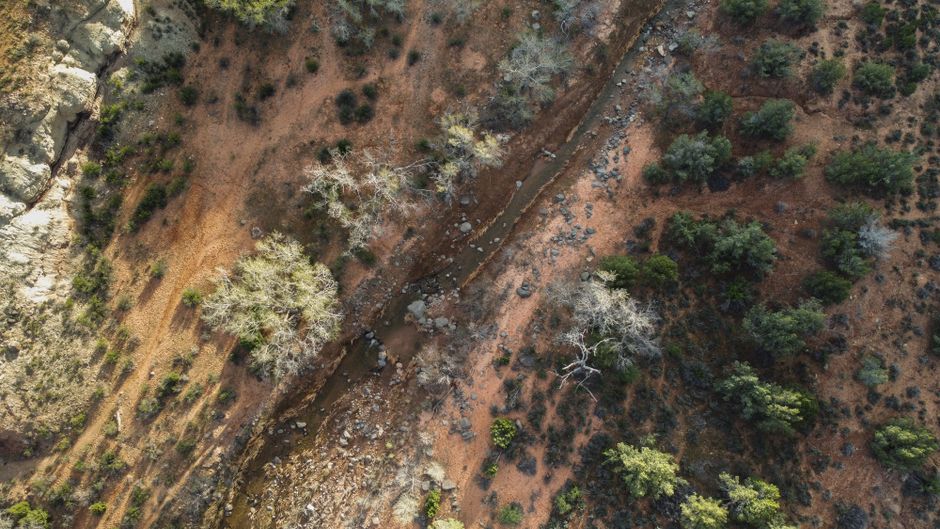
Water-wise landscaping, sometimes called xeriscape garden design, is built around the idea of working with your local climate rather than against it. In practice, this means replacing thirsty grass with drought tolerant ground covers, native plant garden design, and carefully selected low maintenance plantings that need far less irrigation to stay healthy.
At the Utah facility, the transition involved removing large sections of traditional lawn and replacing them with native and adapted plants suited to the region’s dry conditions. Mulch, efficient drip irrigation, and smart planting design all played a role in reducing water demand significantly. The project demonstrated that even large-scale grounds can be managed with a fraction of the water that conventional lawn care requires.
For homeowners thinking about backyard landscaping ideas or front yard landscaping ideas, the principles are exactly the same. You do not need a massive budget or a commercial-scale project to see meaningful results. A well-planned residential landscape design that prioritizes water efficiency can cut outdoor water use dramatically while still producing a beautiful, functional yard.
Martin Palma, founder and CEO of Ecolandscape Studio, has seen this play out across dozens of client projects in water-stressed regions. In his experience, the biggest shift happens when homeowners stop thinking of lawn alternatives as a compromise and start seeing them as an upgrade. Native plant garden design, pollinator garden design, and drought tolerant garden design consistently deliver yards that look better through summer heat, require less maintenance, and hold up far longer than traditional turf without constant irrigation.
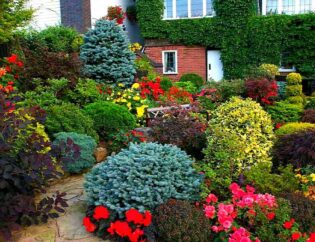
The Utah project reinforces several principles that apply directly to residential outdoor spaces. First, lawn removal does not mean sacrificing curb appeal. Thoughtful planting design, garden edging ideas, and landscape lighting ideas can transform a converted yard into something genuinely attractive and distinctive. Second, the savings are real. Water-wise landscaping reduces not just water bills but also the time and cost associated with lawn maintenance, fertilizing, and seasonal replanting.
For smaller properties, small backyard design built around native plants and permeable surfaces can make a significant difference. Rain garden design is another option worth considering, especially in areas that experience occasional heavy rainfall between dry periods. A rain garden captures runoff, filters it naturally, and reduces the burden on stormwater systems while adding visual interest to the yard.
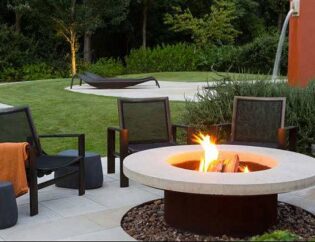
Privacy landscaping and outdoor living space design can also be integrated into a water-wise approach. Drought tolerant shrubs and ornamental grasses work well as natural screens, and a well-designed patio landscaping layout with gravel, decomposed granite, or pavers reduces the total area that needs irrigation in the first place.
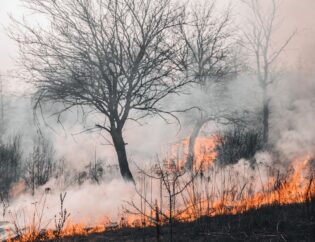
Fire resistant landscaping is another dimension that connects directly to water-wise principles. In dry climates, plants that require less water tend to be better adapted to heat and are often more fire resistant than dense, moisture-dependent turf. This makes drought tolerant garden design a practical choice from multiple angles, not just water conservation.
The takeaway from the Utah project is straightforward. Whether you are managing a large institutional property or a modest residential yard, the logic of water-wise landscaping holds. Replacing high-water-use turf with native plants, smart irrigation, and thoughtful yard landscaping design produces measurable results. The savings in water, money, and maintenance time add up quickly, and the environmental benefit extends well beyond the property line.
If you are considering a shift toward more sustainable landscaping for your home, starting with a section of your front yard or backyard is a practical first step. You do not have to convert everything at once. Even a partial transition to low maintenance garden design or native plant garden design will reduce your water use and give you a clearer picture of what a fully converted yard could look like. The Utah facility’s results are a useful benchmark, and the same principles that worked there are available to any homeowner ready to make a smarter choice about their outdoor space.