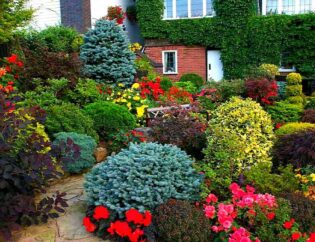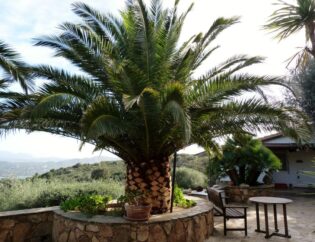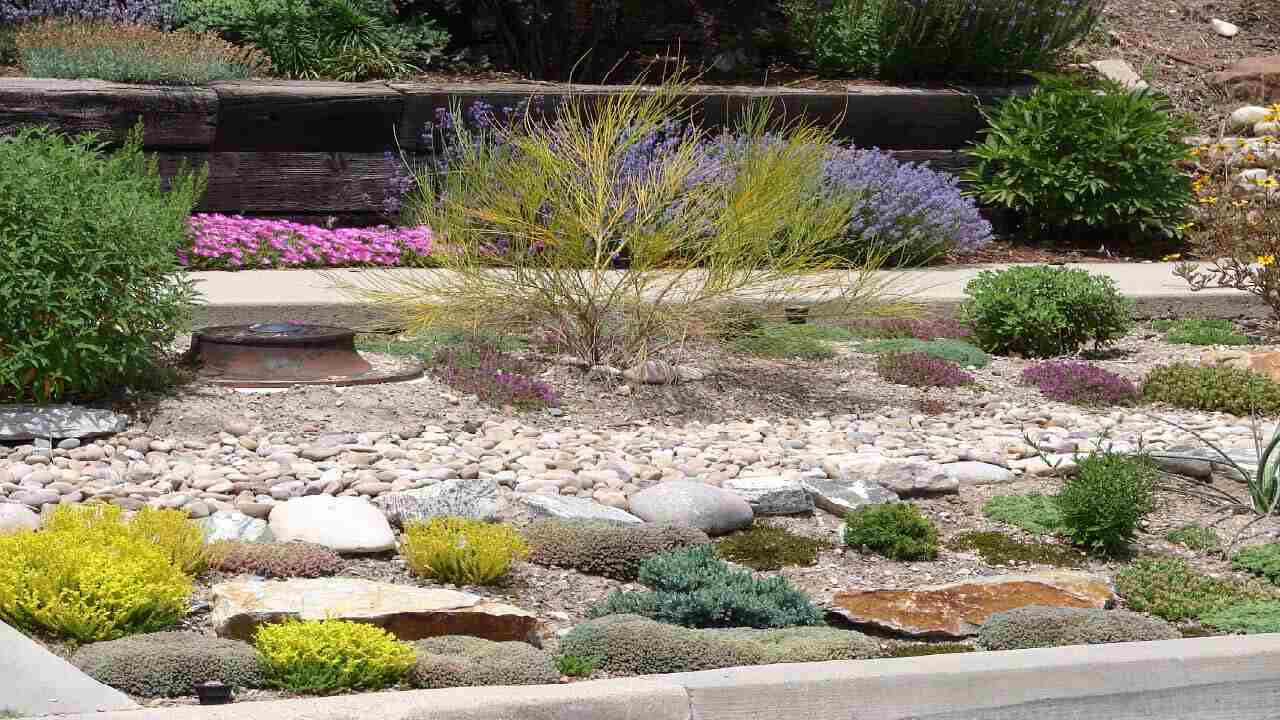
Global climate shifts are setting fundamentally new standards for the design of modern country estates. High-end site improvement and premium turnkey landscape design are now impossible to imagine without the integration of advanced water-saving solutions capable of maintaining the flawless appearance of plantings even during prolonged periods of severe water scarcity. The dramatic decline in seasonal rainfall is no longer a challenge limited to southern regions; it has become a permanent concern for owners of luxury properties around the world. Ecolandscape Studio views this as a powerful catalyst for the widespread adoption of xeriscaping principles, the development of autonomous climate-optimized water management systems, and the implementation of the Water-Wise concept based on the synergy of advanced engineering and the natural defense mechanisms of plants.
The resilience of a garden under extreme soil drought conditions is established during the initial stages of land shaping and soil management. The primary objective is to capture stormwater runoff, store it within the soil profile, and minimize unnecessary evaporation. When working with light sandy soils, our specialists perform a comprehensive structural assessment and enrich the substrate with mature vermicompost, sapropel-based hydrogels, and compost. These materials transform the soil structure into a fine-grained sponge capable of retaining capillary moisture at the molecular level. To reduce thermal stress and prevent root-zone overheating, continuous multilayer mulching is applied. In gravel gardens and rockeries, a protective layer of crushed quartzite or river pebbles up to 3 centimeters thick is installed, while traditional mixed borders are covered with calibrated pine bark or thermally treated wood chips. A biodegradable cellulose layer is incorporated beneath the mulch to suppress weeds and optimize moisture retention. Surface infiltration is further improved through the replacement of impermeable surfaces with permeable paving systems. Parking areas are constructed using grass reinforcement grids, while joints between paving stones are filled with washed coarse sand.
The use of conventional rotary sprinklers or manual hose irrigation during periods of intense heat is widely recognized as highly inefficient because up to half of the applied water evaporates before reaching plant surfaces. Furthermore, shallow surface irrigation encourages root development only within the upper soil layers, which dry out rapidly. Ecolandscape Studio considers this a fundamental mistake in amateur garden maintenance and therefore converts properties to subsurface micro-capillary irrigation systems. Specialized porous irrigation lines manufactured from vulcanized rubber granules are installed directly within the root zone at depths of 3 to 5 centimeters. This concealed hydraulic network delivers water directly to the root hairs, completely eliminating conditions favorable for fungal diseases on foliage, minimizing salt deposits on decorative elements, and ensuring highly targeted water delivery without losses through excessive evaporation.
Martin Palma, Founder and CEO of Ecolandscape Studio, believes that the true architecture and autonomy of a landscape are tested not during mild rainy seasons but throughout prolonged climate anomalies. While studying the adaptive mechanisms of wild plant communities in arid canyon ecosystems during international field research, he made an important observation: native plant species possess extraordinary survival potential and can develop deep taproots that reach underground water reserves when their growth is not restricted by excessive irrigation. According to Martin Palma, premium landscape design in an era of climate change must rely on authentic native species such as sugar maple, English oak, and dogwood, along with resilient herbaceous perennials capable of becoming entirely self-sustaining after their initial establishment period. To ensure precise stabilization of mature trees during the first growing seasons, Martin employs custom water reservoirs equipped with adjustable release valves that provide prolonged hydration to the deeper layers of the planting pit.
The stability of drought-adapted ecosystems is further supported through the activation of beneficial soil microbiota. As moisture levels decline, conventional soil microorganisms reduce their metabolic activity. For this reason, during the installation of xerophytic plant communities, we inoculate the soil with endomycorrhizal fungal strains. The mycorrhizal network penetrates plant roots, increasing their effective absorption area many times over and enabling the extraction of bound water from microscopic pores within dense clay layers. At the same time, the approach to lawn design is transformed. Traditional high-maintenance turf requiring daily irrigation is replaced with alternative meadow systems composed of durable drought-tolerant grasses and wildflowers or with contemporary gravel gardens. These stone-based landscapes and the joints of dry-stacked retaining walls are populated by drought-resistant succulents such as sedums, hens-and-chicks, and delospermas, complemented by structural plantings of lavender, woodland sage, hyssop, and ornamental alliums that create a dense ornamental composition without additional irrigation.
At Ecolandscape Studio, we regard this as a long-term and inevitable shift in the premium landscaping industry, where the prestige and value of a landscape are determined not by the volume of water consumed but by its ability to self-regulate and remain resilient. The creation of a turnkey water-efficient garden reduces operating costs, protects investment capital from climatic uncertainty, and conveys the refined aesthetics of natural ecosystems. The integration of large-capacity underground rainwater harvesting reservoirs closes the hydrological cycle of the estate, making the property largely independent of external utility networks and regional water shortages.