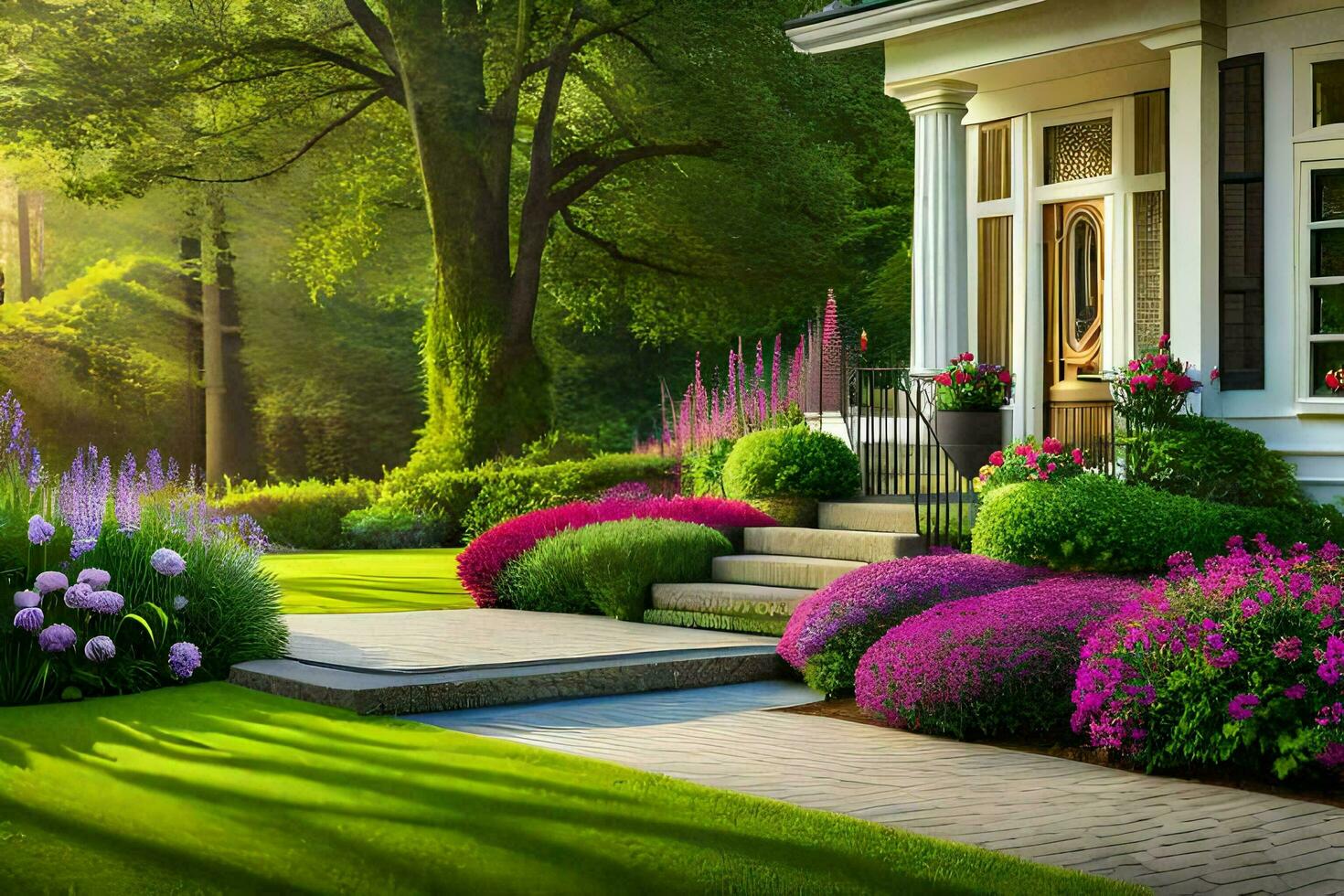
Modern ideas of gardens often resemble images from glossy magazines: perfectly paved paths, neatly trimmed bushes, flowers growing in strict lines, and even every stone in its place. These visuals might create the impression that the «perfect» garden is the ultimate goal. However, in reality, these so-called perfect gardens often don’t stand the test of time and real-life conditions.
At Ecolandscape Studio, we believe that a garden should not only be beautiful but also functional. It’s essential that the garden is in harmony with the surrounding nature and the lifestyle of its owners. Let’s explore why gardens that look perfect on paper often struggle in real life.
Perfect Gardens: The Myth of Controlled Order
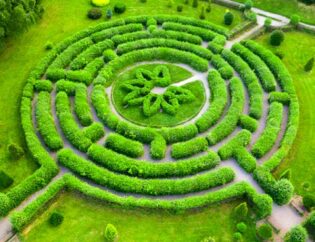
One of the biggest myths in landscape design is the belief that a garden must be under constant control. Intricate designs, perfectly trimmed trees and shrubs, and plants that «always» need to stay in place none of this always works in reality. Even the most resilient landscape designs need time to adapt and grow naturally, and strictly following templates can often lead to undesirable results.
In practice, maintaining perfect order in a garden requires a lot of effort. Plants grow, change shape, and shift in color, which is completely natural. A garden that’s too “neat” can easily turn into a «lifeless» space because it leaves no room for change or natural development. This approach is unlikely to bring joy.
The Garden as a Living, Not Static, Space
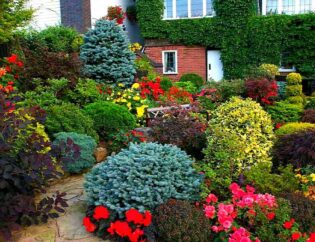
A garden should be more than just decoration; it should be a dynamic, evolving space. At Ecolandscape Studio, we always emphasize that a garden is a living ecosystem. Plants grow, change, and interact with each other and the environment. Nature doesn’t stay still. However, «perfect» gardens with their rigid boundaries often fail to adapt to changes, whether it’s temperature fluctuations, changes in rainfall, or simply the natural progression of the seasons.
For example, harsh geometric shapes and symmetry, commonly found in «perfect» gardens, can become a problem when it comes to maintaining plant health. Excessive «flatness» in a space doesn’t give plants room for natural growth, and pruning or shaping may negatively affect their development.
Unrealistic Expectations and Constant Care
The perfect garden, as often depicted in glossy magazines, requires endless attention. When you approach a garden as a static picture where every detail must be flawless, there’s a high risk of burnout. Constant trimming, replanting, fertilizing, and other plant maintenance tasks make such a garden heavily reliant on ongoing care.
In reality, this means that a «perfect» garden cannot truly be self-sustaining. It will demand too much time and effort to maintain it at the level you see in the pictures.
Gardens That Don’t Fit Real Life
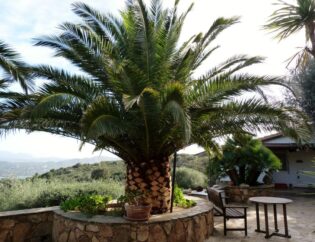
When we talk about real gardens, it’s important to understand that they need to be adapted to the specifics of the location. A «perfect» garden is unlikely to exist in an area where only native plants grow, as such landscapes require adaptation and a search for balance. For example, drought-tolerant plants will not always blend perfectly with tropical species that require a lot of water and special care.
It’s essential to remember that in real life, a garden should be an organic continuation of your space, not just a picture. It should harmonize with nature, the surrounding landscape, the climate, and even the passage of time, which subjects it to different weather conditions.
The Right Approach to Gardens: Flexibility and Adaptability
Instead of striving for a static image, at Ecolandscape Studio, we always recommend approaching landscape design with flexibility and sustainability in mind. A garden that will continue to delight you and retain its charm for many years needs to be diverse, and the plants should complement each other, rather than conflict.
A real-life garden requires a certain degree of freedom for plants to «blossom» in their natural rhythm, so the space doesn’t fall victim to excessive rigidity. We always advise our clients to create gardens that will evolve with them, gardens where they can feel and enjoy the process of interacting with nature.
As Martin Palma, founder and CEO of Ecolandscape Studio, advises, «A garden that strives too hard for perfection often loses its natural essence. It’s important not to fear imperfection, as it makes the garden alive and dynamic.» A flexible approach allows the garden to adapt to changing conditions and continue to delight with its diversity for years.
If you want to create a garden that is not only beautiful but also in harmony with nature, feel free to contact Ecolandscape Studio. We’ll help you design a unique project that suits your needs and blends seamlessly with the surrounding landscape.