A backyard that works well for the whole family is one of the most rewarding things you can invest in as a homeowner. It needs to be safe enough for young children, engaging enough to pull everyone outside, and practical enough to hold up through seasons of real use. Getting that balance right takes more than picking a few plants and setting out some furniture. It takes thoughtful residential landscape design that considers how your family actually lives and plays.
At Ecolandscape Studio, we work with families who want their outdoor space to feel like a natural extension of the home — somewhere kids can run freely, adults can relax, and the whole yard stays manageable without constant upkeep. These 15 ideas bring together the best of safe, fun, and smart backyard design.
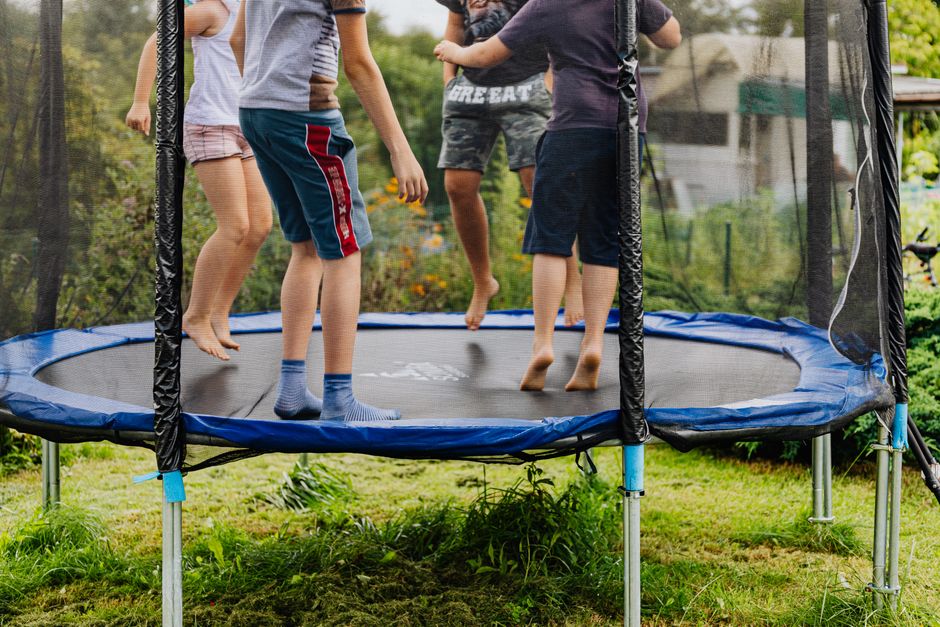
Before anything else, think about zones. A well-planned yard separates active play areas from quieter spots, keeps pathways clear, and makes sure nothing sharp, toxic, or unstable sits where children spend time. Soft ground cover materials like rubber mulch, wood chips, or artificial turf under play structures cushion falls and reduce injury risk. Avoid gravel near play zones since small stones are a hazard for young children.
Fencing is one of the most practical investments in family backyard design. A solid perimeter fence keeps children and pets safely inside the yard, and a self-latching gate near any water feature or pool adds an essential layer of protection. Privacy landscaping along the fence line with dense shrubs or ornamental grasses also softens the look while creating a natural visual boundary.
Water features add beauty and sensory interest, but they need careful placement. Shallow splash pads or small fountain bowls are safer alternatives to deep ponds when young children are in the picture. If you want a rain garden design element or a naturalistic water feature, position it in a section of the yard that can be gated off when needed.
Lawn alternatives are worth considering for high-traffic family yards. Clover lawns, creeping thyme, or low-growing native groundcovers handle foot traffic well, stay green with less water, and reduce the need for chemical treatments. This connects naturally to water wise landscaping and low maintenance garden design, both of which matter when you have a busy household.
Martin Palma, founder and CEO of Ecolandscape Studio, has worked on dozens of family backyard projects over the years, and one pattern he sees consistently is that parents underestimate how much the layout itself affects safety. In his experience, the most common issue is not the choice of plants or materials but the lack of clear sightlines from the house to the play area. When a parent can see the entire yard from the kitchen window or the patio, supervision becomes effortless, and the whole space feels more relaxed for everyone.
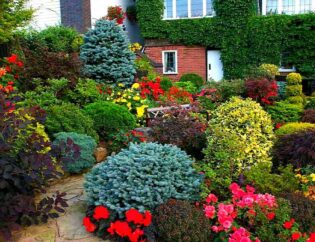
Choosing the right plants makes a significant difference in a family yard. Native plant garden design brings in pollinators, supports local ecosystems, and typically requires less maintenance than exotic species. Pollinator garden design with flowering natives like coneflowers, black-eyed Susans, and milkweed adds color and life without demanding much attention.
Avoid plants with thorns, toxic berries, or irritating sap in areas where children play. Roses and barberries look attractive but belong in sections of the yard that are clearly separated from active zones. Soft ornamental grasses, low flowering perennials, and fruit-bearing shrubs like blueberries are excellent choices near play areas since they are safe, interesting, and edible.
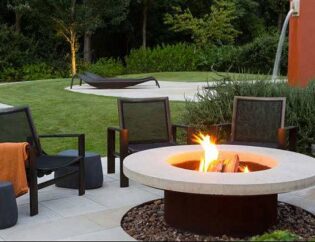
Shade is one of the most underrated elements of outdoor living space design for families. A well-placed shade tree or a pergola with climbing plants over the patio reduces heat, protects skin during long summer days, and makes the yard usable even in peak afternoon sun. Patio landscaping ideas that include overhead shade structures also extend the time your family actually spends outside.
Landscape lighting ideas deserve attention too. Path lighting along walkways, low-voltage fixtures near steps, and soft ambient lighting around the patio make the yard safer after dark and extend usable hours into the evening. Solar-powered options keep installation simple and reduce ongoing costs.
For families in drier climates, drought tolerant garden design and xeriscape garden design reduce water bills and eliminate the need for irrigation systems that can create muddy, slippery patches in play areas. Fire resistant landscaping with low-moisture plants and gravel mulch is a practical consideration in regions prone to dry summers.
A family backyard does not need to be complicated to be great. Clear zones, safe materials, thoughtful planting design, and good lighting cover most of what makes an outdoor space genuinely enjoyable for everyone. Start with the areas your family uses most, make those work well, and build outward from there. The yard will grow with your family if the foundation is planned with care.