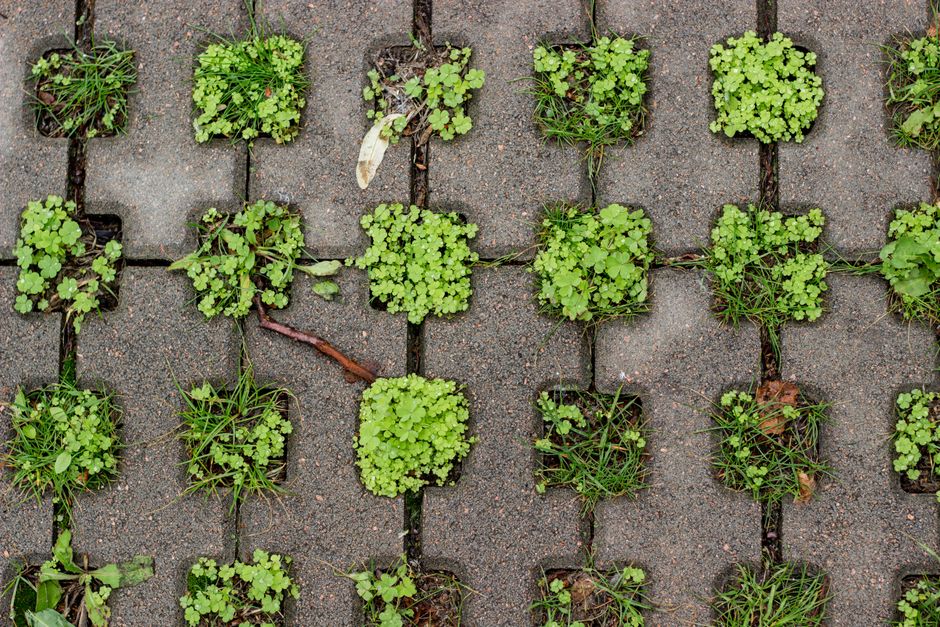
More homeowners are moving away from traditional grass lawns, and for good reason. Water bills are rising, drought conditions are spreading across many regions, and the appeal of a low maintenance garden design that actually supports local wildlife is hard to ignore. Native plant garden design, pollinator garden design, xeriscape garden design, and other lawn alternatives are no longer niche choices — they are becoming the preferred direction in residential landscape design. The challenge, though, is that not every municipality has caught up with this shift. Before you dig up your turf and start planting, it pays to understand what your local laws actually allow.
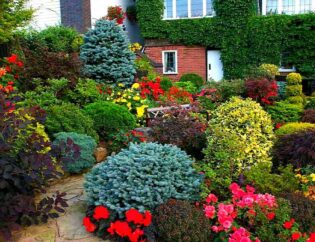
Across the United States, many cities and counties still have ordinances on the books that were written decades ago, when a neatly trimmed grass lawn was considered the only acceptable front yard landscaping idea. These rules often set maximum plant height limits, sometimes as low as eight inches, and can classify anything taller as a «weed» or a nuisance. Homeowners who have invested in beautiful native plant gardens or drought tolerant garden designs have received violation notices simply because their planting design did not match an outdated definition of a tidy yard.
The good news is that many states and municipalities are actively revising these ordinances. Florida, for example, passed legislation that restricts local governments from penalizing homeowners for using Florida-friendly landscaping practices, which includes native plants and water wise landscaping approaches. Maryland has moved in a similar direction, offering protections for residents who choose pollinator garden design and other ecologically sound planting choices. Several other states are in the process of updating their codes to reflect modern landscape design values.
These changes are meaningful, but they are not universal. Even within states that have passed protective legislation, individual city or county rules can vary. A front yard landscaping idea that is perfectly legal in one neighborhood may still trigger a complaint in the next town over. This is why checking local ordinances before committing to any yard landscaping design is a practical step that saves time, money, and frustration.
Martin Palma, founder and CEO of Ecolandscape Studio, has seen this situation play out many times in practice. When clients come in excited about converting their lawn to a rain garden design or a native meadow, the first conversation is always about local rules. Not because the ideas are wrong — they are often excellent choices for the property — but because a beautiful planting design that triggers a code violation creates stress and extra costs that no homeowner needs. Checking with the local planning or zoning office before breaking ground is one of the simplest ways to protect your investment and your garden.
If you are planning a backyard landscaping project or a front yard redesign, a few practical steps can help you stay on the right side of local regulations while still achieving the outdoor living space design you want.
Start by contacting your city or county planning department and asking specifically about plant height restrictions, front yard landscaping rules, and any exemptions that may exist for native plant garden design or water wise landscaping. Many municipalities have staff who can walk you through what is permitted and what requires a variance or special approval.
It also helps to document your planting design from the beginning. Keep records of the plant species you are using, especially if they are native or drought tolerant varieties. Some ordinances include exemptions for recognized native plants, and having that documentation ready can resolve a complaint quickly if one arises.
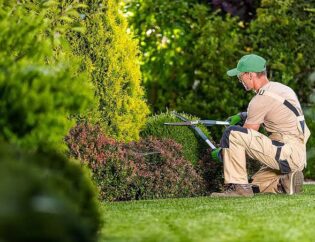
Neighbors matter more than people expect. A well-maintained small backyard design or a thoughtfully edged front yard with clear garden edging ideas tends to generate far fewer complaints than a space that looks unfinished or overgrown. Even in a naturalistic planting design, visible structure — defined edges, a clear path, intentional groupings — signals that the yard is cared for rather than neglected. Landscape lighting ideas can also help communicate that the space is designed and maintained, especially in the evening hours.
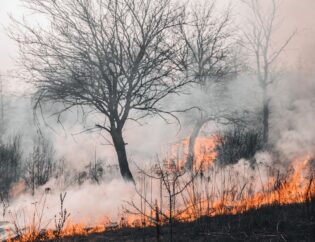
For homeowners in fire-prone areas, fire resistant landscaping rules may add another layer of requirements. Some regions mandate specific clearance zones and restrict certain plant types near structures, which can affect choices around privacy landscaping and planting near fences or property lines.
The broader shift toward sustainable landscaping, lawn alternatives, and ecologically responsible yard landscaping design is real and growing. Local laws are slowly following that direction, but the pace varies. Doing a little research before you plant is not a barrier to creating the garden you want — it is the step that makes sure your investment lasts and your garden thrives without legal complications. Ecolandscape Studio always encourages clients to treat that research as part of the design process itself, not an afterthought.