Small outdoor spaces have a way of feeling more limiting than they actually are. When you look out at a compact yard and struggle to picture anything beyond a patch of grass and a folding chair, it is easy to assume that meaningful garden design is reserved for larger properties. That assumption is wrong, and landscape designers have been proving it for years. With the right approach to yard landscaping design, even the tightest outdoor footprint can become a genuinely comfortable and beautiful extension of your home.
At Ecolandscape Studio, we work with homeowners who often underestimate what their small yards can do. The tips below come from real residential landscape design practice and reflect what actually makes a difference when space is limited.
One of the first things a designer notices in a small backyard is untapped vertical space. Walls, fences, and structures are often left bare when they could be doing real work. Climbing plants, vertical planters, and trellises add greenery and visual depth without consuming any ground area. This approach also supports privacy landscaping without the bulk of a full hedge or fence extension.
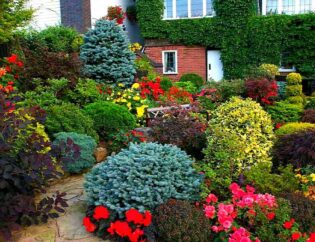
Layered planting design works the same way. Placing taller plants at the back, mid-height shrubs in the middle, and low ground covers at the front creates a sense of depth that makes a yard feel larger than it is. Native plant garden design fits naturally into this layered structure, and native species tend to require far less maintenance once established, which matters a lot in a compact space where overgrowth becomes a problem quickly.
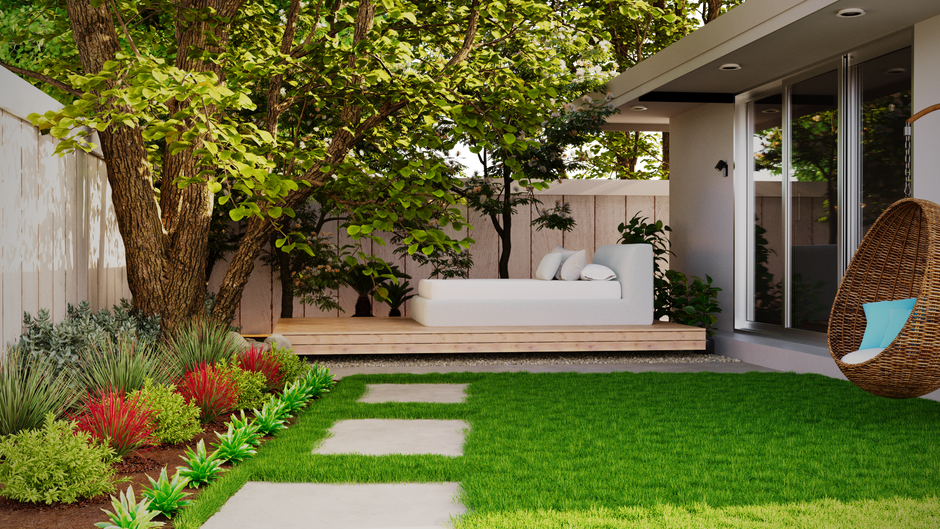
Hardscape choices also shape how spacious a yard feels. Diagonal paving lines, for example, draw the eye outward and make a patio feel wider. Curved edges in garden edging ideas soften the boundaries and prevent the boxed-in feeling that straight lines can create in tight spaces.
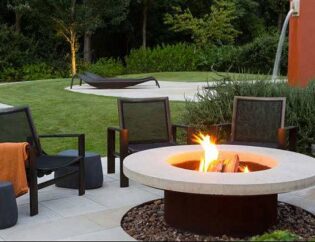
In small backyard design, there is no room for elements that serve only one purpose. A raised planter can double as a seating wall. A pergola can provide shade while supporting climbing plants. A rain garden tucked into a low corner manages stormwater while adding a naturalistic planting feature. Every design decision should contribute to both function and appearance.
Low maintenance garden design becomes especially practical here. Drought tolerant garden design and xeriscape garden design principles reduce the time and water needed to keep a small yard looking good. Replacing traditional turf with lawn alternatives like ground covers, decomposed granite, or ornamental grasses cuts down on mowing and irrigation while opening up more design possibilities.
Martin Palma, founder and CEO of Ecolandscape Studio, often points out that small yards reveal a designer’s priorities faster than large ones. When there is less space to work with, every plant, every paving stone, and every lighting fixture has to justify its presence. That discipline, he notes, tends to produce cleaner and more intentional outdoor living space design than sprawling yards where elements get added without a clear plan.
Landscape lighting ideas deserve more attention in compact spaces than they typically receive. Thoughtful lighting extends the usability of a small patio into the evening and adds dimension after dark. Uplighting a single tree or washing a textured wall with soft light can transform how a yard feels without adding any square footage.
Pollinator garden design is another smart fit for small spaces. A compact planting bed filled with native flowering plants attracts bees and butterflies, adds seasonal color, and supports local ecology without demanding much space or upkeep. It is one of the more rewarding choices for homeowners who want their yard to feel alive and purposeful.
For front yard landscaping ideas, the same principles apply. A well-designed front yard does not need to be large to make a strong impression. Replacing a standard lawn with a low maintenance garden design using native plants, defined edging, and a clear path to the entrance creates curb appeal that is both practical and visually distinctive.
Water wise landscaping is worth building into any small yard plan from the start. Grouping plants by water needs, using mulch to retain soil moisture, and incorporating a simple drip irrigation system all reduce the effort required to keep the space healthy through dry periods.
The honest takeaway for anyone working with a small outdoor space is that scale is not the obstacle it appears to be. Compact yards reward careful planning more than large ones do, and the design decisions you make early, from planting design to material choices to how you handle light and privacy, shape everything that follows. A small yard done well is not a compromise. It is a focused, livable outdoor space that fits the way you actually use your home.