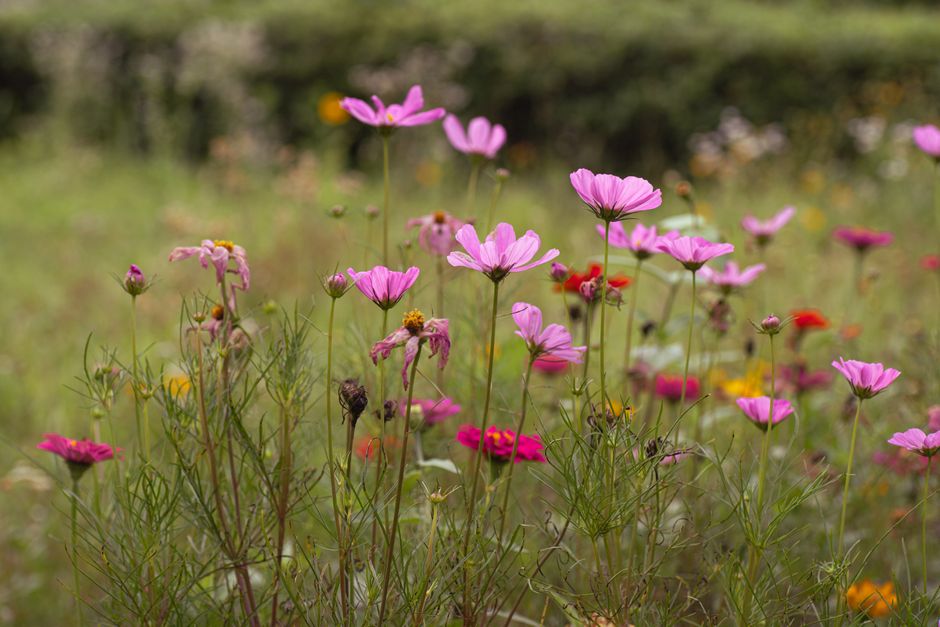
Every summer, the Big Sky Wildflower Festival brings together botanists, conservationists, gardeners, and curious homeowners who share one thing in common: a genuine appreciation for the plants that belong to the land. This annual gathering in Montana has grown into more than a celebration of color and bloom. It has become a meaningful conversation about how native plant garden design can reshape the way people think about their yards, their communities, and the landscapes they leave behind.
The festival draws attention to something that residential landscape design professionals have been advocating for years. Planting native species is not a trend that comes and goes. It is a practical, ecologically sound approach to yard landscaping design that reduces maintenance, supports local wildlife, and keeps landscapes healthy through drought, heat, and seasonal change.
Native plants are adapted to the local climate, soil, and rainfall patterns of the region where they naturally grow. That means they require far less supplemental watering, fewer soil amendments, and little to no chemical intervention once established. For homeowners exploring low maintenance garden design or drought tolerant garden design, this is a significant advantage.
The festival highlights how native wildflowers and grasses support pollinators, including bees, butterflies, and other beneficial insects that are essential to healthy ecosystems. A well-planned pollinator garden design using regional natives can transform a front yard landscaping idea into something that actively contributes to the surrounding environment. It is a shift from decorative planting to purposeful planting design.
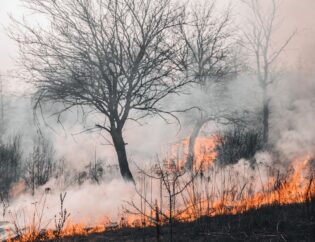
Speakers and educators at the festival also addressed fire resistant landscaping, which has become an increasingly relevant topic for homeowners in the western United States. Native plants that are well-suited to dry conditions tend to have lower fuel loads than dense, irrigated turf or ornamental plantings that require constant moisture. Incorporating xeriscape garden design principles alongside native species creates a landscape that is both beautiful and more resilient during fire-prone seasons.
Rain garden design was another topic that received attention at the festival. Native plants with deep root systems are particularly effective in rain gardens because they absorb and filter stormwater naturally. For homeowners dealing with drainage issues or looking to reduce runoff from paved surfaces, a rain garden planted with regional natives is one of the most functional backyard landscaping ideas available.
Martin Palma, founder and CEO of Ecolandscape Studio, has worked with native plant palettes across a range of residential projects and consistently finds that clients are surprised by how dynamic and visually rich these landscapes can be. In his experience, the hesitation usually comes from a misconception that native gardens look unfinished or wild in a way that conflicts with a tidy neighborhood aesthetic. Once homeowners see how thoughtful planting design, clean garden edging ideas, and strategic landscape lighting ideas can frame a native plant garden, that concern tends to disappear quickly.
For homeowners inspired by the festival’s message, the path forward does not require a complete yard overhaul. Starting with a section of the backyard or a defined front yard bed allows people to experiment with native species and observe how they perform through the seasons. Replacing sections of traditional lawn with lawn alternatives such as native groundcovers, sedges, or low-growing wildflowers is one of the most impactful small backyard design decisions a homeowner can make.
Privacy landscaping is another area where native shrubs and ornamental grasses excel. Many regional species grow to heights that create natural screening without the maintenance demands of clipped hedges or fast-growing invasives. Combined with thoughtful outdoor living space design, a native privacy planting can define a patio or seating area while blending seamlessly into the surrounding landscape.
Water wise landscaping is central to the festival’s conservation message. The organizers emphasize that reducing outdoor water use through smart planting choices is one of the most direct ways homeowners can respond to regional water challenges. Native plants are the foundation of that approach, and they pair naturally with other water-saving strategies like mulching, drip irrigation, and permeable paving.
For anyone considering a shift toward more sustainable yard landscaping, the Big Sky Wildflower Festival serves as a reminder that this kind of garden design is rooted in something real. It connects the home landscape to the broader ecosystem, reduces the resources needed to maintain it, and creates outdoor spaces that feel genuinely connected to the place where they exist. Whether the goal is a low maintenance garden, a drought tolerant planting scheme, or simply a more meaningful relationship with the land around the home, native plants offer a practical and rewarding starting point.