Wet areas are a common issue for many gardeners. Often, due to poor drainage or the geographical features of the land, excess moisture accumulates on the plot, making it constantly soggy. This problem can make growing most plants difficult, but not all of them! There are plants that thrive in conditions of high humidity and even «swampy» environments. At Ecolandscape Studio, we regularly work with such plots and are ready to share practical recommendations on how to choose plants for these conditions.
Why Does the Plot Become Wet and How Does It Affect Plants?
The main reason a plot becomes constantly wet is either poor drainage or natural landscape features, such as proximity to water bodies or low-lying areas where water does not drain well. In such cases, regular plants may start to rot, get flooded, or simply fail to grow because they are not adapted to excess moisture. On such plots, issues with root development and the overall health of the garden are often observed.
It is important to understand that each plot has its unique characteristics. There are garden plants that can thrive in conditions of high moisture and waterlogged soil, while others, on the contrary, perish under such conditions. It is important not only to choose the right plants but also, possibly, to improve drainage to prevent flooding.
Plants That Love Swamps and Excessive Moisture
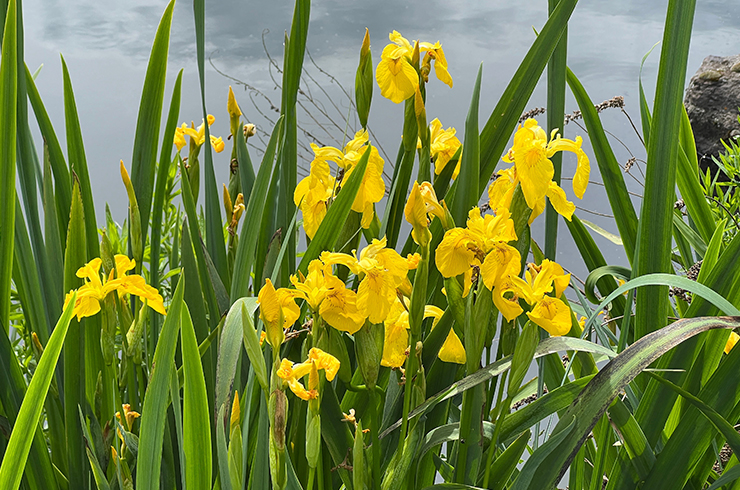
Irises are amazing flowering plants that are perfect for wet conditions. They can grow in places with constantly moist soil and easily tolerate short-term flooding. These plants not only add vibrant colors to the garden but also make excellent accents for water features, creating harmony with nature.
Marsh Marigold (Caltha palustris), from the buttercup family, is known for its ability to grow in swampy conditions. Its bright yellow flowers are ideal for wet areas, giving the garden a characteristic «swampy» atmosphere that attracts the eye and creates a sense of seclusion.
Lobelia, which loves moist soil, is often used to decorate water features. In addition to its beauty, it is resistant to temperature fluctuations and water stress, making it an excellent choice for gardens with high humidity, where other plants might struggle.
Ferns are plants that thrive in shady and moist places. Many species of ferns are perfectly adapted to high humidity and can be a great solution for gardens with poor drainage. They create a cozy atmosphere in parts of the garden where other plants might not survive.
Bulrush (Typha) is ideal for plots with high water levels, especially if there is a pond or stream nearby. Bulrush not only decorates the garden but also helps improve the condition of water bodies by purifying the water. Its tall, slender growth and unique characteristics make it an ideal choice for such gardens.
As Martin Palma, the founder and CEO of Ecolandscape Studio, pointed out: «Wet plots can be a real challenge for gardeners, but choosing the right plants and making small adjustments to the landscape design can transform such plots into beautiful and harmonious relaxation zones.»
How to Improve Drainage on Wet Plots?
In addition to choosing the right plants, an important step is to improve drainage on the plot. Here are some tips to help you deal with excess moisture:
- Create Drainage Channels – This is one of the most effective methods for diverting water from the plot. Drainage channels help guide excess water to safe areas where it won’t harm the plants.
- Use Geotextile Fabric – Geotextile can be laid in areas with high moisture to prevent water stagnation and improve drainage. This helps prevent root rot and the spread of diseases.
- Raise the Plot Level – In some cases, you can raise the level of the plot by adding a layer of well-drained soil. This will help reduce the water level in the soil and create more comfortable conditions for plants.
How to Choose Plants for Wet Plots?
When selecting plants for plots with high moisture, it is important to consider several factors:
- Plants Resistant to Waterlogging – These plants can survive short periods of flooding and adapt to conditions where water remains for extended periods.
- Choosing Native Plants – Native plants, such as various species of loosestrife or reed, will be the optimal solution for wet plots as they are already adapted to the local conditions.
- Perennials and Aquatic Plants – Some perennials, like water lilies or marsh irises, are perfect for wet places where other plants cannot survive.
A wet plot with poor drainage or proximity to water bodies can be a real challenge for gardeners, but the right choice of plants and applying a few simple drainage solutions can help create a beautiful and healthy garden. It is important to remember that for such plots, there are plants that thrive in excessive moisture, and selecting them properly will allow you to create a resilient and attractive landscape.
As Martin Palma, founder and CEO of Ecolandscape Studio, noted, «Choosing the right plants that tolerate high humidity and improving drainage can transform any garden. It’s important not only to choose beautiful plants but also to provide them with favorable growing conditions without creating unnecessary work for the gardener.»