Creating a garden that is convenient, safe, and accessible for people with disabilities is not only an expression of care but also a way to integrate nature into everyday life. A garden is a place for rest, relaxation, and recovery, as well as an essential element that promotes physical and emotional well-being. In this article, we at Ecolandscape Studio will share recommendations on how to create a space that ensures comfort for people with disabilities, taking into account both functional and aesthetic aspects.
Designing Spaces for People with Disabilities
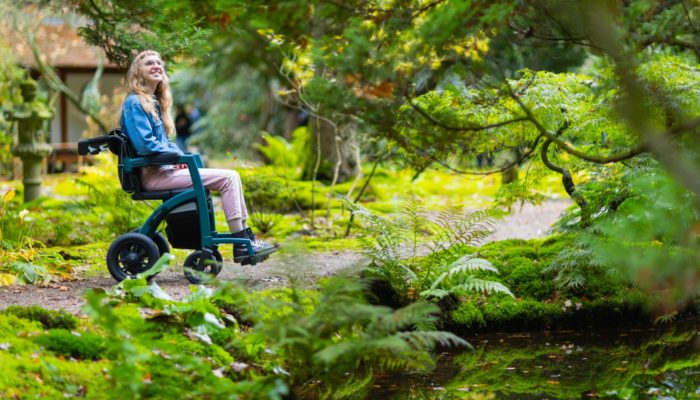
Designing a garden for people with disabilities requires careful consideration of all elements of the space. It is important to remember that these gardens should not only be beautiful but also safe and provide maximum convenience. The main task is to create easy-to-use paths suitable for people with limited mobility. Wide, even, and well-lit paths without obstacles play a key role. It is best to use durable materials, such as brick or concrete, to eliminate any bumps or uneven surfaces that might cause someone to trip.
When Ecolandscape Studio designs gardens for clients using wheelchairs, for example, in one of our projects, we ensured that paths were wide and without joints or rough patches. This allowed for free movement around the garden, avoiding obstacles. Implementing such solutions greatly improves the comfort and safety of navigation.
Accessibility of Garden Objects
Another important consideration when designing a garden is the convenient placement of garden objects, such as benches, tables, and other resting elements. These objects should not only be aesthetically pleasing but also accessible and comfortable for people with various physical limitations. For example, benches should be at a height that makes it easy for people to sit and stand, with back and arm support. It is also important that garden elements are placed in locations where they are easily accessible.
When we design gardens for such clients, we always carefully choose the placement of benches, tables, and other resting objects. For instance, we place benches in accessible locations where there is no need to overcome access difficulties. This approach enhances convenience and allows people to enjoy their time in the garden with minimal effort.
Safety and Eco-friendliness
When designing gardens for people with disabilities, special attention must be paid to safety. This includes the placement of objects and the selection of plants. For example, toxic plants or those with sharp thorns, such as nightshade or oleander, should be avoided. We recommend using plants with soft leaves, fragrant flowers, and safe species that not only attract attention but are also safe for those around. Elderly people or individuals with weakened immune systems can be particularly sensitive to allergens, so it is important to choose plants that minimize the risk of allergies.
We also focus on choosing water elements in the garden. It is commonly believed that water features such as ponds and fountains create harmony and a peaceful atmosphere, but for people with disabilities, it is important that these features do not pose a risk. We use low borders or fences to prevent accidental falls. This not only increases safety but also makes garden elements more accessible to everyone.
Convenience for Gardening
For people with disabilities, gardening can also be a convenient and enjoyable activity. It is important to think about the height of flower beds and the layout of the garden to make plant care easy and pleasant. Raised or elevated beds are ideal for this, allowing people to work with plants without having to bend down too much. Such beds make gardening accessible even for people using wheelchairs. Vertical gardens can also be considered, allowing plants to be placed on walls or hanging structures, making it easier to care for them without bending.
In one of our projects for a client with limited mobility, we used raised flower beds. This allowed them to care for the plants without unnecessary strain, ensuring comfortable access to every part of the garden.
Rest and Relaxation Zones
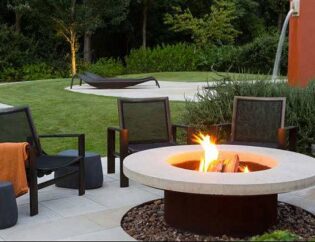
A garden should not only be a place for work but also for rest and relaxation. For people with disabilities, comfortable seating and resting areas are very important. We often install benches and chairs with good back support and armrests, making it easier for people to stand up. Soft coverings, such as grass or artificial rugs, are also important as they create a cozy atmosphere and prevent injury from falls.
Rest areas in our projects are always placed in the most comfortable corners of the garden, so clients can enjoy the fresh air and beautiful views. This enhances the quality of their rest and overall improves their experience of the garden as a relaxing space.
Creating a garden for people with disabilities is not just about designing a beautiful space, but also about improving the quality of life. Such a garden should be safe, convenient, and encourage interaction with nature and gardening. It is important that every element of the garden is carefully thought out, taking into account the needs and abilities of the people we work with.
As Martin Palma, the founder and CEO of Ecolandscape Studio, noted: «Gardens for people with disabilities are unique projects that require a special approach. We strive to create spaces where every element contributes to comfort, safety, and the quality of life, allowing people to enjoy the garden and its beauty, despite any physical limitations.»
The process of designing an accessible garden requires attention to detail, but the result is always worth it. A garden that is open to all is not only a space for rest but also a place for inspiration, creativity, and rejuvenation.