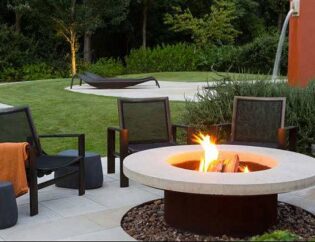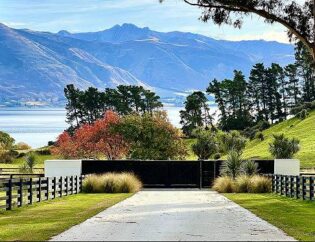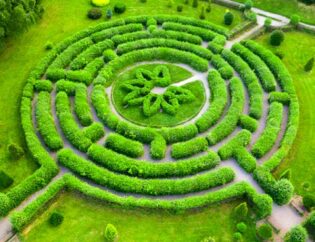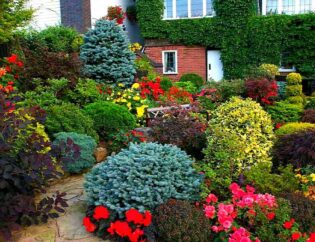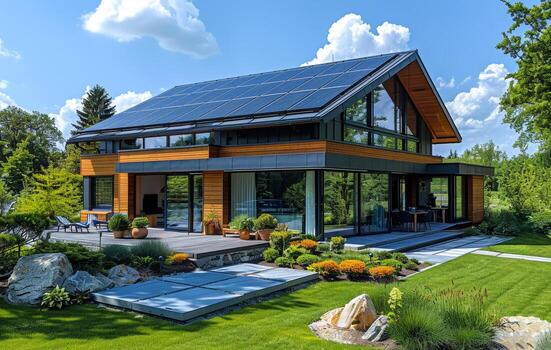
Modern landscape design stands at the intersection of cutting-edge technologies and a deep commitment to ecological principles. In the context of urbanization and the scarcity of natural areas in cities, dacha plots of the 21st century become an example of synergy between natural and technological elements. Green spaces that combine an organic approach with innovative technologies offer aesthetic pleasure and functional, environmentally friendly solutions. At Ecolandscape Studio, we are confident that the future of landscape design lies in the integration of technological innovations, organic solutions, and the creation of sustainable ecosystems that reflect the harmony between humans and nature.
A Garden as a Dynamic Ecosystem: Harmony of Nature and Technology
The garden of the 21st century is much more than just a decorative element in a summer house. It is a fully functioning ecosystem where every plant, structure, and technology contributes to sustainability and harmony. The concept of gardens is evolving from simple beautification to the concept of sustainable landscape design, which includes biophilic design (a system for creating harmonious spaces that improve the psycho-emotional state of people) and ecological technologies.
As Martin Palma, founder and CEO of Ecolandscape Studio, states: «The world of landscape design is undergoing significant changes. Inspired by innovations, we create spaces that are not only eco-friendly but also intelligent. These spaces combine nature and technology, ensuring ecological integration and harmonization of the urban environment.»
The Application of Modern Technologies in Landscape Design
One of the most important aspects of a 21st-century garden is the use of smart systems that ensure efficiency and sustainability. For example, automatic irrigation systems with humidity sensors are not just an innovation, but a necessity in the context of global climate change. These systems reduce water consumption while maintaining optimal soil moisture levels throughout the seasons.
Additionally, renewable energy systems such as solar panels and mini wind turbines are integrated into the landscape as elements that create an independent, eco-friendly energy network on the site. These devices seamlessly blend into the overall garden style and play a key role in the ecological integration of the space.
The Organic Approach: Supporting Ecological Sustainability
Preserving biodiversity and minimizing the impact on nature remain the core principles of organic landscape design. When creating a garden, it is essential to use local plant species, which helps maintain natural ecosystems and improve soil health. Natural landscaping, based on native plant communities, enhances the ecosystem and increases biodiversity on the site.
The use of eco-friendly materials and technologies, such as composting systems and phytoremediation, helps minimize the carbon footprint and stimulates closed nutrient cycles. These solutions allow for the effective use of organic waste, improving soil structure and aiding its restoration.
Water as an Element of Sustainability: Drainage and Rainwater Harvesting Technologies
The drainage and rainwater management system is a crucial part of a 21st-century garden. Rainwater collection tanks and rainwater filtration systems help not only collect rainwater for irrigation but also play a role in drainage systems that prevent flooding and reduce the load on urban drainage networks. This solution is relevant for both private homes and urban areas.
The use of phytoremediation with water plants (such as water lilies or reeds) is actively being incorporated into landscape projects. These plants purify water by absorbing excess nutrients, improving water quality, and restoring balance in aquatic ecosystems.
Smart Technologies for Convenience and Comfort
An important part of the garden of the 21st century is the use of intelligent control systems. These automation systems allow you to control lighting, irrigation, air temperature, and create the desired atmosphere for relaxation. Such technologies simplify life for homeowners while minimizing resource consumption and supporting garden sustainability.
Smart lighting systems, integrated with motion sensors, can light up only those areas of the garden that are in use at the moment. This significantly saves electricity and reduces light pollution.
Practical Tips for Creating a Garden of the Future
- Choosing Resilient Plants: When creating a garden, it is important to focus on plants that are perfectly suited to the local climate. Perennials like lavender or sage will help create an ecosystem that is resistant to drought and adverse conditions.
- Using Renewable Energy Sources: Place solar panels on greenhouse or garage roofs to power irrigation or lighting systems. Mini wind turbines are ideal for gardens located in windy areas.
- Recycling Waste: Set up compost bins and systems for collecting organic waste. This will improve soil structure and reduce waste.
- Integrating Vertical Landscaping: Creating vertical gardens on building walls or fences allows for the use of even limited spaces, adding aesthetic value and improving the urban landscape.
- Efficient Water Use: Install rainwater harvesting systems and use phytoremediation for water bodies. This helps reduce the load on the water supply system and creates an ecosystem where water is used efficiently.
The garden of the 21st century is a space that combines cutting-edge technologies with organic solutions, allowing for the creation of sustainable ecosystems while maintaining harmony with nature. At Ecolandscape Studio, we see the future of landscape design as a synthesis of innovation and ecological awareness, where each element of the garden serves both aesthetic and important ecological functions.
As Martin Palma notes: «Landscape design of the future is not just about beauty, but about how we interact with nature. It is a concept in which technologies work to improve ecological sustainability, while nature helps people restore harmony.»