Every year, it becomes increasingly clear how important it is to design spaces that are not only beautiful but also energy-efficient. Landscape design, combined with proper land planning, can significantly reduce energy consumption, make spaces more sustainable, and improve the quality of life. At Ecolandscape Studio, we are confident that thoughtful landscape planning plays a key role in reducing the carbon footprint, which is crucial for preserving the environment and conserving resources.
How can you plan your plot to be not only beautiful but also energy-efficient? We share our solutions and experience in how utilizing natural resources and innovative technologies can help lower energy costs on your property.
«In Ecolandscape Studio, we always strive to integrate solutions that make our projects not only aesthetically pleasing but also functional in terms of energy efficiency. Every space should work toward reducing energy consumption,» emphasizes Martin Palma, founder and CEO of the studio.
Natural Solutions for Increasing Energy Efficiency
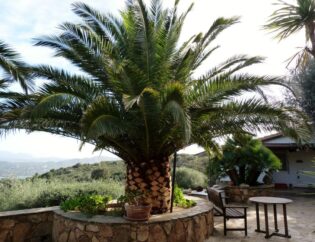
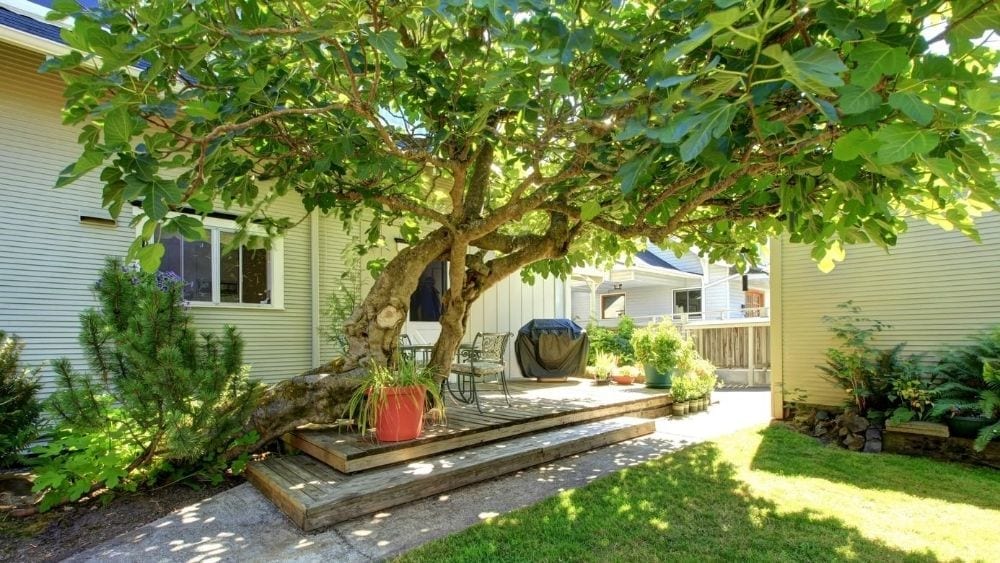
One of the most effective ways to reduce energy consumption is by using greenery. Trees and shrubs placed along buildings create natural shade in the summer and protect against cold winds in winter. This helps maintain a comfortable temperature indoors, reducing the need for air conditioning and heating. It’s important to place plants strategically so they can serve as temperature protection throughout the year.
Greenery acts as thermal insulation, improving the climate of the site and cutting energy costs. This approach is particularly effective in regions with distinct seasons, where high summer temperatures and cold winters place significant strain on heating and cooling systems.
The implementation of rainwater harvesting systems is one of the most eco-friendly and energy-efficient solutions, especially in areas with limited water resources. These systems allow the use of rainwater for irrigation and even household needs, reducing the strain on centralized water supply networks and lowering energy consumption for water purification and transportation. It’s important that the rainwater collection system is properly designed to effectively use available resources and reduce energy costs for site maintenance.
Rainwater use is a key component of an energy-efficient landscape that helps reduce not only water supply costs but also the operation of pumping stations and purification plants.
The placement of buildings on the site, considering orientation toward the cardinal directions and using natural barriers, is crucial for lowering energy demand. Positioning buildings to face south allows for maximum use of solar energy for heating during the winter while preventing overheating in the summer. Natural barriers such as trees and shrubs protect against strong winds, helping retain heat during winter, reducing the load on heating systems.
In addition, plants act as additional air filters, improving the atmosphere on the site and protecting against noise and dust. This, in turn, helps create more comfortable living and working conditions.
Innovative Technologies and Sustainable Materials
To make the landscape truly energy-efficient, it is essential to apply sustainable materials and innovative technologies. For example, using recycled materials such as concrete or metal not only reduces construction costs but also lowers the carbon footprint. It is also important to implement technologies such as thermal insulation coatings, which reduce heat loss, as well as install solar panels to harness solar energy.
Applying these solutions not only helps reduce energy consumption but also minimizes environmental impact. We always recommend that our clients choose materials that adhere to sustainability principles, ensuring that the project is not only beautiful but also cost-effective in the long run.
The Zero Carbon City project in the UAE is a prime example of how landscape design can be integrated with architectural solutions to create highly energy-efficient environments. This project actively utilizes green roofs, solar panels, rainwater harvesting systems, and other technologies that significantly reduce energy consumption and contribute to the creation of a carbon-neutral city.
How Landscape Design Contributes to Energy Efficiency
A well-designed landscape plays a key role in reducing energy consumption and improving quality of life. At Ecolandscape Studio, we believe that proper land planning allows for reduced energy consumption, a smaller carbon footprint, and the creation of a comfortable living and working environment.
Modern landscape design solutions are focused on sustainability and energy efficiency. We always strive to use innovative approaches and eco-friendly technologies to create not only beautiful but also functional and energy-efficient spaces.