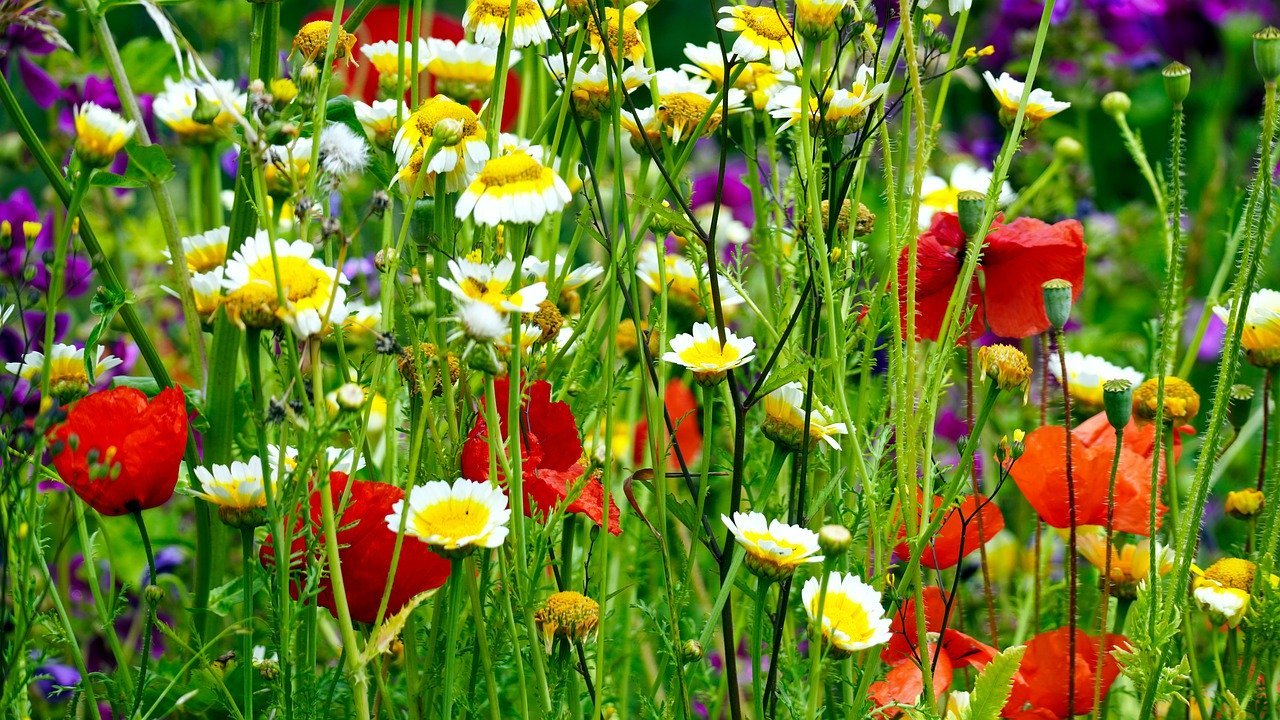
Natural gardens are becoming increasingly popular among those who strive to create spaces that are as close to nature as possible. These gardens harmoniously combine aesthetic appeal and ecological sustainability. Flower compositions play a key role in these gardens, giving them a picturesque appearance while supporting the ecosystem balance. In this article, we at Ecolandscape Studio will explore the creation of flower compositions for natural gardens, from meadow to woodland flowers, and discuss how to choose the right plants for your site.
A Natural Garden as Harmony with Nature
A natural garden is a space in which a sustainable interaction is created between plants, animals, and microorganisms. The landscape design of a natural garden includes plants that are adapted to local climatic conditions and soil. This approach helps minimize the use of water, fertilizers, and pesticides, making the garden more environmentally friendly and easier to maintain.
The essence of a natural garden lies in its ability to support biodiversity and provide natural habitats for local plant and animal species. Such a garden does not require active intervention, as the plants are already adapted to your region’s conditions. The garden becomes self-sustaining, creating a harmonious space that supports the natural balance with minimal effort.
Meadow flowers are one of the most popular elements of a natural garden. They possess simplicity and expressiveness, bringing a fresh and open atmosphere to the garden. These plants are ideal for creating gardens that mimic natural meadows, where plants can freely grow and combine with one another.
Chamomile is a classic representative of meadow flowers, adding lightness and brightness to any composition. Its white petals with a yellow center create a visual accent, while the flower beautifully combines simplicity and elegance. Marigold, with its bright orange and yellow flowers, not only adds color to the garden but also attracts beneficial insects such as bees and butterflies. Lavender is another versatile plant for natural gardens. Its purple flowers create a stylish contrast with green plantings, and its characteristic scent attracts pollinators while helping to combat pests.
Lavender and marigold are also known for their honey-producing properties, making them indispensable in gardens focused on maintaining biodiversity and the ecosystem.
«Meadow flowers help create a lively and bright atmosphere in the garden, but it’s important to remember that plants grown in natural conditions require less maintenance. They don’t need intensive watering or fertilizers, which makes them perfect for natural gardens,» explains Martin Palma, founder and CEO of Ecolandscape Studio.
Woodland plants add a special atmosphere to the garden and deepen the perception of space. They are best suited for shaded corners of the garden, where sunlight rarely reaches. Woodland flowers create secluded, mystical areas that complement nature and support the ecosystem.
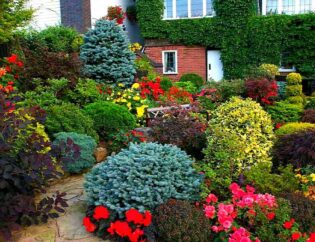
Snowdrops are among the first flowers to bloom in spring, opening before the snow has completely melted. These plants are not only beautiful but also symbolize the arrival of the new season. Phlox is a perennial that thrives in shaded garden spots. Its flowers, ranging from white to purple, add soft tones and sophistication to the garden. Woodland Geranium is another representative of woodland flowers, which looks great in groups with shrubs or trees. Its light pink or purple flowers create harmonious compositions and blend perfectly with the natural landscape.
To keep your garden attractive throughout the year, it’s important to choose plants that bloom at different times. This ensures continuous blooming and avoids «empty» periods in the garden.
In spring, snowdrops, crocuses, and tulips will delight the eye. Summer flowers such as lavender, daisies, and marigolds will create vibrant accents. In autumn, chrysanthemums, asters, and ornamental grasses will add rich hues to the garden until the first frosts.
An important aspect of seasonal compositions is not only selecting plants with different blooming periods but also creating multi-layered compositions. This will help you achieve diversity not only in color but also in plant textures.
Native plants play a crucial role in landscape design for natural gardens. They are best adapted to your region’s climate and do not require additional effort to grow and thrive. Unlike invasive species, native plants support natural biodiversity and provide food for local animals and insects.
Native plants support local fauna, including bees, butterflies, and other pollinators. They create natural shelters for birds and small animals. Moreover, these plants are less prone to disease and do not require frequent watering, making them an ideal choice for natural gardens.
Martin Palma notes that «Choosing native plants contributes to the creation of a sustainable ecosystem, where each plant fulfills its role. This approach not only reduces garden maintenance costs but also helps to maintain ecological balance.»
Flower compositions for natural gardens play a key role in creating harmony with nature and ensuring the sustainability of the garden ecosystem. Meadow and woodland plants not only beautify the space but also support biodiversity, help maintain a healthy ecosystem, and minimize the need for maintenance.
Ecolandscape Studio offers professional solutions for creating natural gardens focused on sustainability and harmony with the surrounding nature. By using native plants and seasonal accents, you can create a garden that will delight you and your family for many years to come.