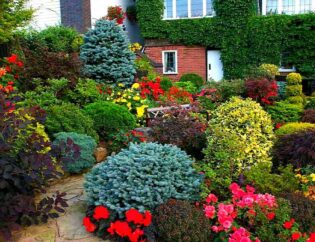
Pruning shrubs is an essential aspect of plant care that significantly impacts their health, growth, and ornamental value. Properly executed pruning helps maintain the shape of the plants, stimulates flowering, improves resistance to diseases, and contributes to the overall aesthetic of the garden. It is crucial to consider the type of plant, its growth and flowering characteristics, as well as the season. In this article, we will share recommendations for seasonal shrub pruning that will help keep your garden in top condition year-round.
At Ecolandscape Studio, we pay attention to every aspect of landscape design, including pruning. Our founder and CEO, Martin Palma, with extensive experience in the field, notes: «Pruning plants is an art that requires knowledge and attention. Every shrub needs an individual approach to stay healthy and beautiful.» We have gathered all the necessary advice to help you care for your garden effectively.
Spring: Time for Pruning Spring-Flowering Shrubs
As spring arrives, plants begin to actively develop, making it an ideal time for pruning shrubs that bloom early in the season. For instance, azaleas, daphne, forsythia, and hydrangeas bloom on old wood. After flowering, it is essential to prune them to stimulate the growth of new shoots and prepare the plants for the next season.
Additionally, spring is the time to remove damaged and old branches, especially if the plants have endured winter frost. This improves ventilation and creates space for new shoots to grow. Pruning should be done carefully to avoid damaging flower buds. It is best to prune these shrubs immediately after flowering, before the active growth phase begins.
Summer: Shaping and Caring for Summer-Flowering Shrubs
Summer is the season for maintaining shrubs that bloom in the summer. After blooming, it is important to remove spent flower heads to encourage the growth of new flowers and maintain the plant’s decorative appeal. For example, climbing roses, viburnum, and potentilla look better when their spent flowers are removed right after wilting, which encourages continued blooming.
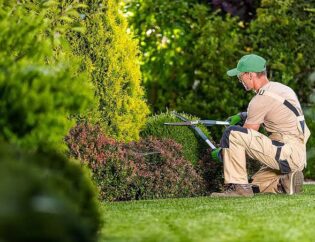
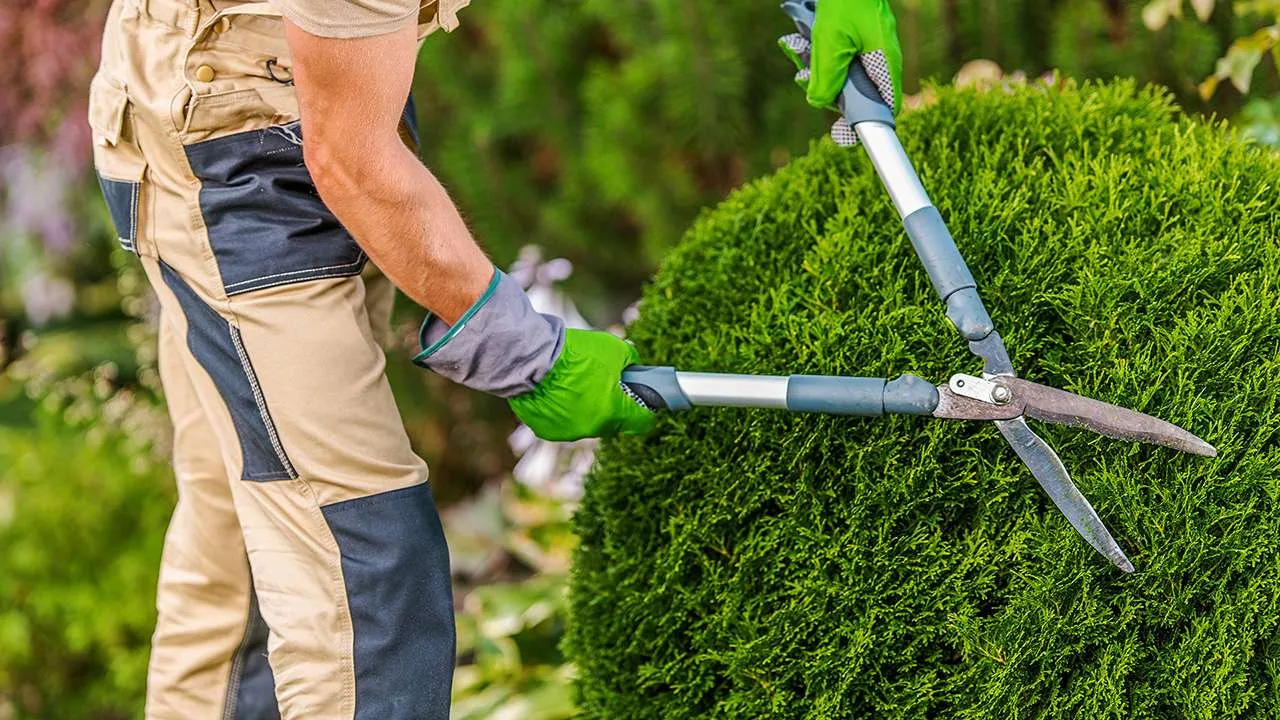
Summer is also an excellent time for light pruning of shrubs like boxwood or thuja, which can grow rapidly. To maintain a compact form and prevent excessive growth, it is important to regularly remove excess shoots. This type of pruning helps keep the plants neat and healthy while preserving their decorative qualities. However, care should be taken not to overdo it, as pruning too aggressively may damage tender shoots during active growth.
Autumn: Minimal Pruning to Prepare for Winter
As autumn approaches, plants begin preparing for winter, and pruning should be minimal during this time. Shrubs should not undergo heavy pruning since they are still adjusting to the colder weather. Pruning should primarily focus on removing damaged, diseased, or dry branches, which improves the overall health of the plants and prevents the spread of disease.
For shrubs that flower in the summer, such as smooth hydrangeas or viburnum, a light trim in the autumn can help maintain their shape and prevent them from being overloaded during the winter. However, it is important to avoid heavy pruning, as it may weaken the plant before the cold weather sets in.
Winter: Dormant Pruning for Plant Revitalization
Winter is a time when plants are dormant, making it an ideal opportunity for rejuvenating pruning. For example, black currants and viburnum can be pruned in winter to improve the harvest in the following season. Rejuvenating pruning encourages the growth of new shoots and improves the plant’s overall health.
Winter is also a good time to perform light pruning of evergreen plants, such as thuja and boxwood. This helps maintain their shape and prevents excessive growth. However, winter pruning should be done carefully to avoid damaging the plant’s vital tissues while it is dormant.
Pruning Recommendations for Specific Shrubs
Each plant requires a tailored approach to pruning. For example, hydrangeas and lilacs should be pruned immediately after flowering, as they bloom on old wood, and pruning them at this time helps stimulate the next flowering cycle. It is essential not to prune them too late, as this can damage the flower buds for the next season.
For shrubs like potentilla or smooth hydrangeas, pruning is best done early in the season when new growth begins. These plants bloom on new wood, and pruning them encourages the formation of dense foliage and enhances their ornamental value.
Shrubs like boxwood, thuja, and many evergreen plants require regular pruning to maintain a compact form and prevent overgrowth. Especially for evergreen shrubs, pruning during periods of active growth is important to preserve their decorative appearance.
Pruning shrubs is an important aspect of plant care that influences their health and appearance. Proper pruning at the right time helps improve the shape of the plants, stimulates flowering, and maintains their overall health. At Ecolandscape Studio, we believe that knowing how to approach each shrub individually and understanding its specific needs is crucial for creating a harmonious and beautiful garden. As Martin Palma said: «Pruning is an art that requires knowledge and experience. Proper plant care makes the garden more vibrant and balanced.» By following these recommendations, you can create a garden that will delight you with its health and beauty throughout the year.