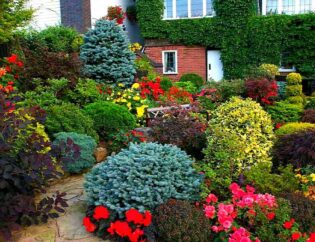
Pruning shrubs is not just a gardening task, but a crucial part of plant care that contributes to the health, growth, and beauty of your garden. At Ecolandscape Studio, we believe that proper pruning is an art that requires knowledge and practice. In this article, we share our professional recommendations to help you create a garden that is vibrant and visually pleasing throughout the year.
Why Prune Shrubs?
Pruning shrubs is necessary to maintain their health and beauty. It not only improves the appearance of the shrubs but also stimulates their growth, making the garden look well-kept and lively. Martin Palma, the founder and CEO of Ecolandscape Studio, asserts that «regular pruning encourages healthy plant development and enhances their decorative qualities, creating harmony in your garden.» Pruning serves several key functions:
- It helps stimulate the growth of new shoots. Removing old, diseased, and damaged branches allows the plant to direct its energy into healthy growth.
- Regular pruning helps maintain the shape and size of shrubs. Without pruning, plants may become overgrown, leading to poor appearance and restricting airflow.
- Pruning improves flowering and fruiting. Removing spent flowers or weak branches allows more light and air to reach the center of the plant, promoting better blooming and increasing fruit production.
- Thinning shrubs helps prevent overcrowding and improves airflow, which prevents diseases.
When to Prune Shrubs?
Knowing the right time to prune is crucial for the health of plants. Different shrubs have different growth and flowering cycles, so it’s essential to choose the optimal time for pruning.
In spring, it’s recommended to prune plants that bloom on old wood. Examples of these shrubs are lilacs and forsythias. These plants bloom on branches from the previous year, so pruning should be done immediately after flowering to avoid damaging the flower buds for the next season.
Summer-blooming shrubs (such as hydrangeas and buddleia) bloom on new growth that emerges in spring. These shrubs should be pruned at the end of winter or early spring before new growth begins, to encourage abundant flowering.
Evergreen shrubs, such as boxwood and holly, can be pruned during active growth, starting in spring. This helps maintain their shape and prevents excessive spreading.
In autumn, pruning should be minimal, as plants are preparing for winter. At this time, only damaged or diseased branches should be removed, and heavy pruning should be avoided.
How to Properly Prune Shrubs?
For pruning to be effective, it’s important to use the right tools and techniques. At Ecolandscape Studio, we follow a few simple yet effective steps:
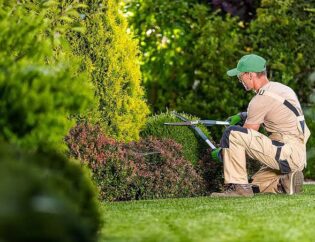
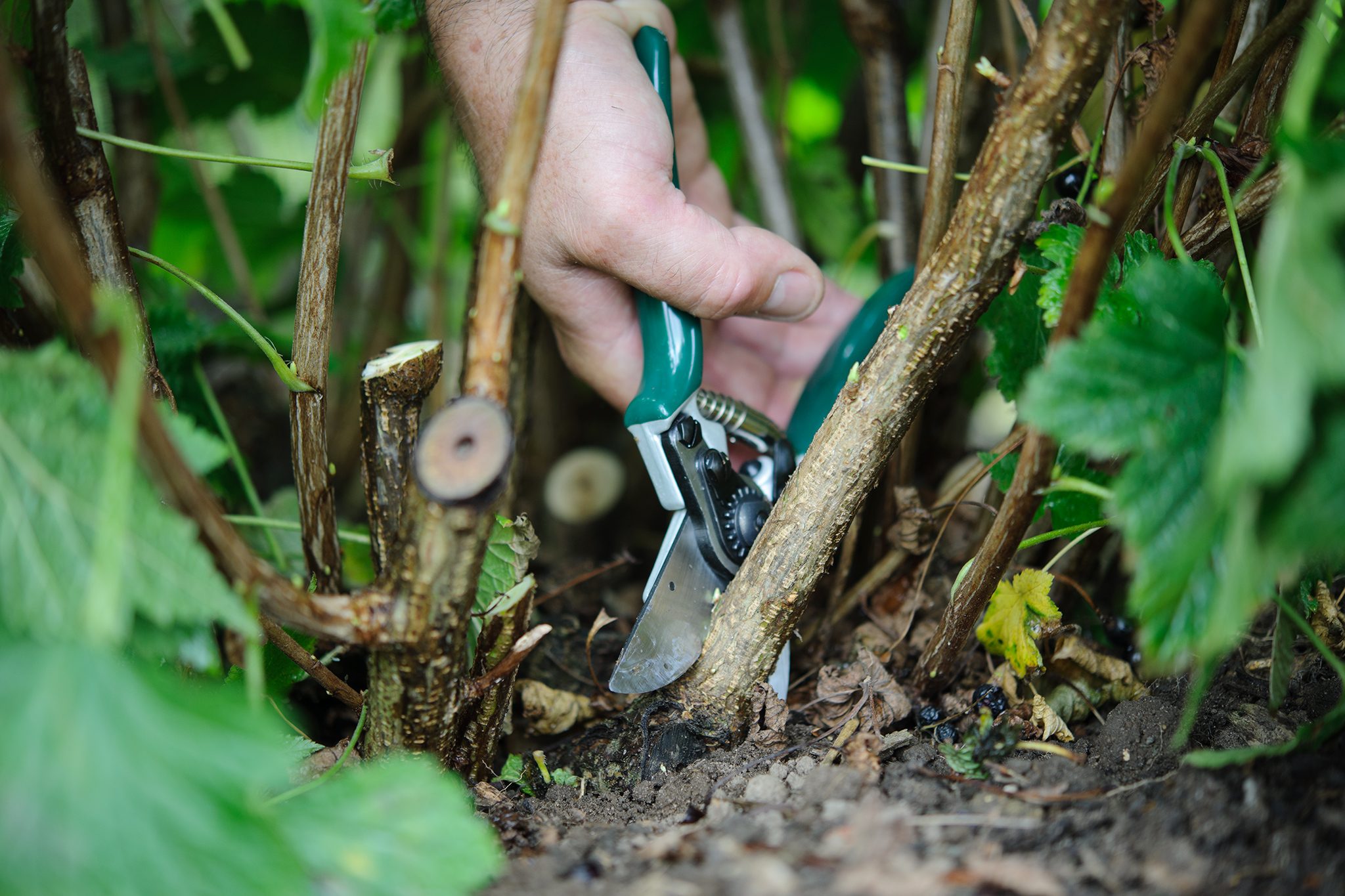
Before starting, make sure your tools are sharp and clean. For small branches, use hand pruners; for thicker ones, use a pruning saw. Regularly clean your tools and disinfect them to avoid spreading diseases between plants.
After preparing the tools, inspect the shrub. Make sure there are no damaged or diseased branches. Also, evaluate the plant’s density and determine which branches need to be removed to improve airflow and light exposure.
When pruning, start by removing dead, diseased, or crossing branches. These branches take up resources from the healthy shoots. Cut the branches at an angle just above a bud to stimulate new growth in the right direction.
Be careful not to damage the shrub’s structure. If you’re removing old branches, make sure your cuts allow the plant to heal quickly without wasting energy on recovery.
After pruning, remove all cut branches and leaves around the shrub to prevent the spread of diseases. Then, water the plant well and mulch the soil to retain moisture and protect the roots.
Shrub Pruning Methods
Different pruning methods are used depending on the goals you want to achieve:
Thinning – This method involves removing dead, diseased, and old branches to improve airflow. It helps the plant focus its energy on healthy shoots.
Heading back – The method involves cutting branches just above a bud. This stimulates growth in the desired direction and helps create a shrub with a fuller, denser crown.
Renewal pruning – Suitable for old or overgrown shrubs. Removing old branches to the base encourages the growth of new shoots, revitalizing the plant and restoring its health.
Pinching – This method is used to stimulate more bushy growth, especially in young shrubs. Pinching the tips of shoots encourages dense foliage development.
Deadheading – This is an important step for flowering shrubs. Removing spent flowers redirects the plant’s energy into further blooming instead of seed production.
Pruning shrubs is an essential part of plant care that helps maintain their health, shape, and aesthetic appeal. At Ecolandscape Studio, we always approach each plant individually, carefully considering its characteristics to achieve the best results. By following our recommendations, you can keep your garden in excellent condition throughout the year, enjoying its beauty and vitality.
As Martin Palma once said, “Proper plant care is the foundation of successful landscape design.” At Ecolandscape Studio, we’re happy to guide you at every step and make your garden even more beautiful and harmonious. If you need additional tips or help in creating your perfect garden, don’t hesitate to contact us.