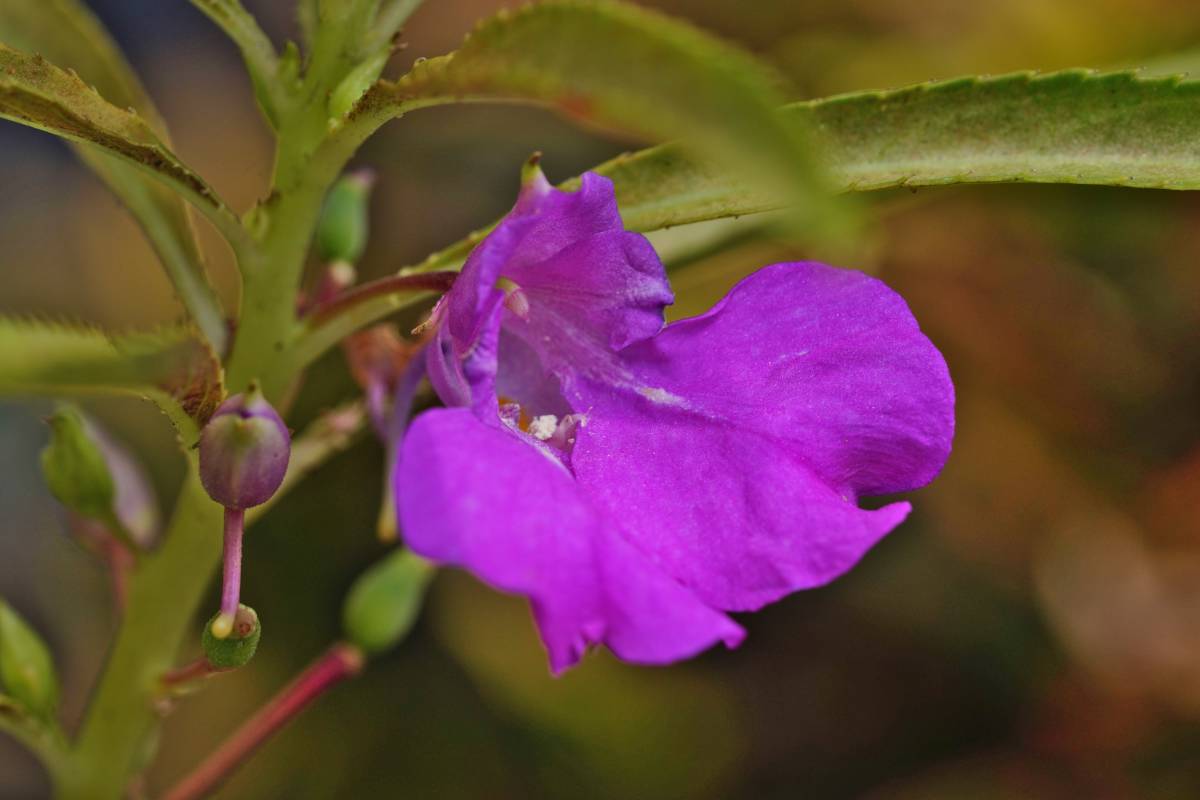
When it comes to adding bright colors to the shady corners of your garden, one of the best solutions is balsam. These plants are perfect for shaded areas, bringing vibrancy and life to your garden even in low-light conditions. In our blog, we at Ecolandscape Studio will share expert tips on growing balsams, as well as how to properly care for them so they continue to bloom beautifully.
Why Balsam Is the Perfect Choice for Your Garden
Balsam is a plant that has rightfully gained popularity among gardeners. One of the main reasons for this is its ability to thrive in low-light conditions, making it an ideal solution for shaded areas. These flowers do exceptionally well in partial shade and even full shade, where other plants may struggle.
Martin Palma, founder and CEO of Ecolandscape Studio, discovered the potential of balsams: «When I started working on projects for shady gardens, balsam became my favorite. It’s incredibly resilient, blooms abundantly, and fits perfectly into any garden composition.»
Balsam is not only a beautiful decorative element but also an undemanding plant that offers long-lasting blooms from late spring through the first autumn frosts. This means balsam will be a bright accent throughout the entire gardening season.
How to Choose the Right Type of Balsam for Your Garden?
The choice of balsam variety depends directly on the lighting conditions of your garden. Impatiens Walleriana, or the classic variety, is the go-to choice for shaded gardens. It prefers light or moderate shade and is perfect for spots where direct sunlight doesn’t reach. Its flowers come in a wide range of colors, from white to bright red, contrasting beautifully with the greenery of the garden. However, it’s important to remember that this variety is prone to diseases like downy mildew, especially in humid conditions.
If your garden receives more sunlight, you should consider the New Guinea balsam (Impatiens hawkeri). This variety is more resistant to diseases and can thrive in sunny spots, provided the soil moisture is maintained at the right level. New Guinea balsams have large flowers and dark foliage, adding a striking decorative accent against the backdrop of vibrant flowers.
For gardens with limited space or for use on balconies and terraces, you should choose dwarf varieties like Impatiens «Accent». These plants are perfect for container gardening and small flowerbeds, yet still provide a vivid visual effect.
Tips for Planting and Caring for Balsams
When to Plant Balsams: Like most warm-weather plants, balsam does not tolerate frost and should only be planted after the threat of late frosts has passed. It’s best to plant them at the end of spring when the temperature stabilizes, and the soil has warmed up to the right temperature for plant growth. If you’re starting from seeds, sow them 8-10 weeks before the last frost and then transplant the seedlings into the garden.
Choosing the Planting Spot: For most varieties of balsam, the ideal spot is one with light or moderate shade. Impatiens Walleriana prefers spots where it will be shielded from direct sunlight. However, New Guinea balsam varieties can tolerate more sun, provided the soil remains sufficiently moist. Proper watering is key, especially for the sun-loving varieties, to avoid the soil drying out.
Watering and Care: Watering is a crucial aspect of balsam care. These plants are not drought-tolerant, so it’s important to keep the soil consistently moist. However, be careful to avoid over-watering, as this can cause root rot. During hot summer days, regular watering is essential, particularly for container-grown plants where the soil dries out quickly.
When planting in the ground, it’s best to use slow-release fertilizers. For container plants, liquid fertilizers can be applied weekly or biweekly during the active growing season.
Pruning balsams is not necessary, but if the plant starts to get leggy or lose shape, you can pinch the tips of the stems. This will help the plant stay compact and encourage abundant blooming.
Pests and Diseases
One of the biggest threats to balsams is downy mildew, a fungal disease that can damage the plant, particularly in overly damp conditions. To prevent this, choose resistant varieties like New Guinea balsam and keep an eye on your plants. Balsams can also attract aphids and slugs, which can damage the leaves and flowers. If infestation occurs, consider using organic pest control methods, such as garlic or pepper-based insecticides.
Balsam is the perfect choice for anyone looking to add bright accents to their garden, especially in shady areas. Its resilience, ease of care, and abundant blooming make it an invaluable plant for any landscape design. By following simple care tips, you can enjoy its beauty throughout the entire gardening season.
As Martin Palma put it: «Balsam is not just a beautiful plant for the garden but also an important element of landscape design that can transform a space, adding vibrant pops of color.»