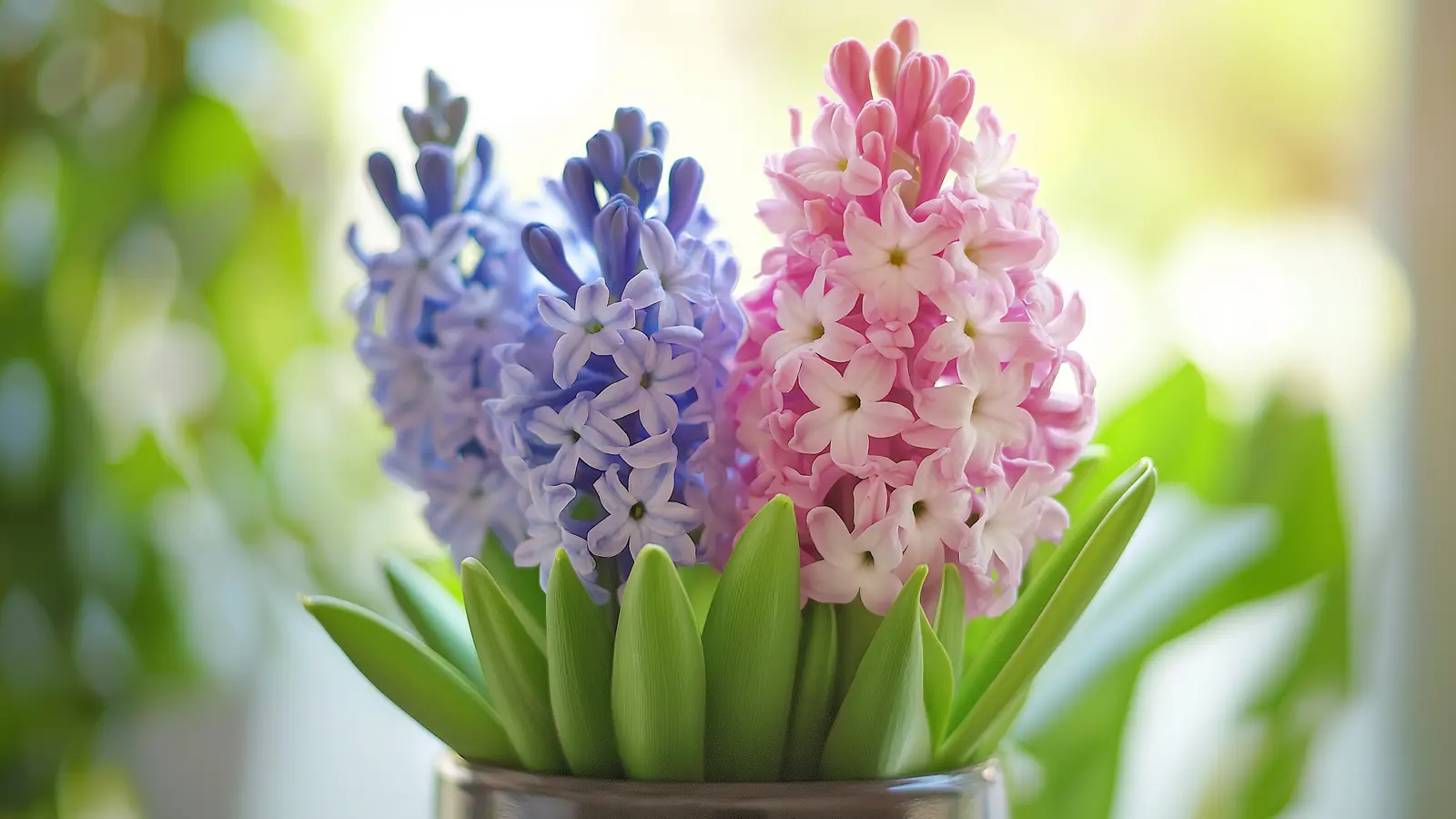
Early spring is the time when the garden begins to awaken, and the right choice of plants can significantly enhance the appearance of your plot. At Ecolandscape Studio, we believe that early-blooming plants not only add aesthetic value but also play an important role in the garden’s ecosystem. These plants serve as bright accents and help attract beneficial pollinators, supporting biodiversity. In this article, we’ll discuss the best plants for early spring and provide tips on choosing and caring for them.
Snowdrops: The Symbol of Spring
Snowdrops are among the first flowers to bloom in the garden as soon as the first signs of warmth appear. Their white flowers with a bright yellow center are a symbol of early spring, becoming true messengers of warmer days. These plants are not only beautiful but also have ecological significance: snowdrops attract the first bees and insects, which helps form a healthy ecosystem.
As Martin Palma, founder and CEO of Ecolandscape Studio, noted, “Snowdrops are always the first sign of nature awakening. We often use them in our projects because they fit perfectly into the early spring landscape, adding freshness and lightness. These flowers require minimal care, making them ideal for quickly decorating a garden after winter.»
Snowdrops prefer partial shade and moist, but well-drained soil. It’s best to plant them in autumn so they can bloom in spring. Care for them is minimal — regular watering and moderate soil care are sufficient. After blooming, the plants can be left in place, and they will delight you every year.
Crocuses: Bright Patches of Spring
Crocuses are among the brightest and earliest flowers to bloom as soon as the snow begins to melt. These flowers come in various colors from bright yellow to purple and white. Crocuses are perfect for adding bright accents to your garden and creating visual highlights even when other plants are still dormant.
Crocuses also play an important role in supporting the ecosystem, attracting the first spring pollinators like bees and butterflies. These flowers are quite resistant to frosts, so even if spring is delayed, they will still bloom.
“Crocuses are not only beautiful plants but also reliable early bloomers that best emphasize the atmosphere of spring. They are perfect for creating bright color spots in the garden,” shares Martin Palma.
Crocuses prefer sunny spots with light, well-drained soil. It is essential to ensure the soil does not dry out but also avoid water stagnation. These plants don’t require frequent fertilization and grow well in poor soils.
Daffodils: Elegance and Resilience
Daffodils are another vibrant messenger of spring. They begin to bloom when there are still no leaves on the trees, and their yellow and white flowers become bright accents against the still-gray landscape. Daffodils are perfect for decorating flower beds as well as garden paths. They are not only beautiful but also resilient to weather changes, making them an excellent choice for any garden.
Martin Palma comments, “Daffodils have always been one of our favorites. These plants look great in any composition, are long-lasting, and undemanding. We often use them to create bright color accents and in larger landscaping projects.”
Daffodils prefer sunny spots with fertile, well-drained soil. Watering should be moderate, as water stagnation can cause bulb rot. We recommend planting daffodils in autumn so they can adapt and bloom well in spring. Fertilization can be done in the autumn or early spring with organic fertilizers.
Tulips: The Classic of Spring
Tulips are perhaps the most versatile plants for a spring garden. Bright and diverse in shape and color, they are perfect for creating stunning flower beds and can also be planted along paths or in containers. Tulips add vibrant accents to the garden and blend well with other early-blooming plants.
Tulips are the symbol of spring, and they never lose their relevance in landscape design. We often use them in our projects because they offer broad possibilities for creating dynamic and vibrant color compositions.
Tulips prefer sunny spots and loose, well-drained soil. It is important to plant them at the correct depth — usually 10-15 cm — to avoid bulb freezing. Watering should be moderate to prevent waterlogging, and the plant needs plenty of sunlight.
Primroses: The Delicate Beauty of Spring
Primroses are among the first flowers to bloom in spring, filling the garden with soft hues. These plants look great in both groups and combinations with other spring flowers, creating smooth transitions in landscape compositions. Primroses are often used to decorate flower beds and pathways, as well as to create cozy color spots in the garden.
Primroses are not only beautiful but also provide a good food source for early pollinators like bees. When combined with other spring plants, primroses will bring harmony and lively energy to your garden.
Primroses prefer partial shade and moist, well-drained soil. These plants are undemanding in care; however, it’s important to avoid water stagnation. Regular watering and periodic feeding with organic fertilizers will help maintain the plant’s health and flowering.
Conclusion: How to Choose Plants for Early Spring
Choosing the right plants for early spring is an important step in creating a beautiful and ecologically sustainable garden. Snowdrops, crocuses, daffodils, tulips, and primroses are not only wonderful decorations for your plot but also essential elements that help maintain the ecosystem. These plants attract beneficial insects, support soil health, and bring joy with their bright blooming.
- Early flowers like snowdrops, crocuses, daffodils, and tulips add vibrant accents to the plot and create a spring atmosphere.
- Caring for these plants is minimal but requires attention to proper watering, drainage, and fertilization.
- Choosing the right plants for early spring helps create a harmonious ecosystem and a sustainable landscape that will delight you throughout the season.
At Ecolandscape Studio, we help you create a beautiful and lively garden that will bring joy to you and your family from the very beginning of spring. Take care of your plot, and it will surely reward you with blooming and harmony.