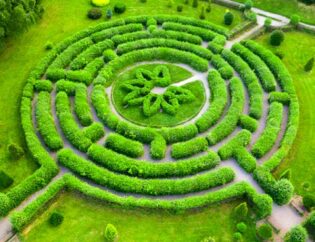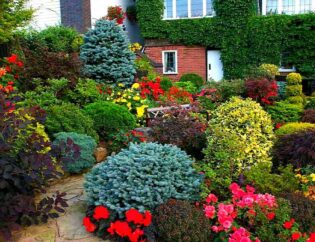
At the Ecolandscape Studio blog, we discuss how small details shape the overall impression of a garden. Garden paths connect relaxation areas, flower beds, ponds, and utility zones, guide movement, and highlight the style of the plot. They help with orientation, protect lawns and plants from being trampled, and become a unifying element of the landscape, creating a harmonious spatial structure.
According to Martin Palma, founder and CEO of Ecolandscape Studio, “Garden paths set the rhythm of the garden, make it pleasant to walk through, and visually unite all areas. When routes are thoughtfully designed, every part of the garden is revealed beautifully and organically.”
Functions and Types of Paths
Paths help organize movement across the plot, create visual lines and accents, and protect lawns and plants. They can be straight to emphasize a formal garden layout or winding to create a natural landscape effect. Beyond their practical function of facilitating movement, paths serve as decorative elements that enhance the style of the plot and highlight key areas such as ponds, gazebos, or flower beds.
There are several types of paths. Functional paths connect utility areas with leisure zones. Decorative paths attract attention, create a walking experience, and visually divide space. Combined routes merge functionality with aesthetic appeal, forming a complete landscape.
Materials for Paths
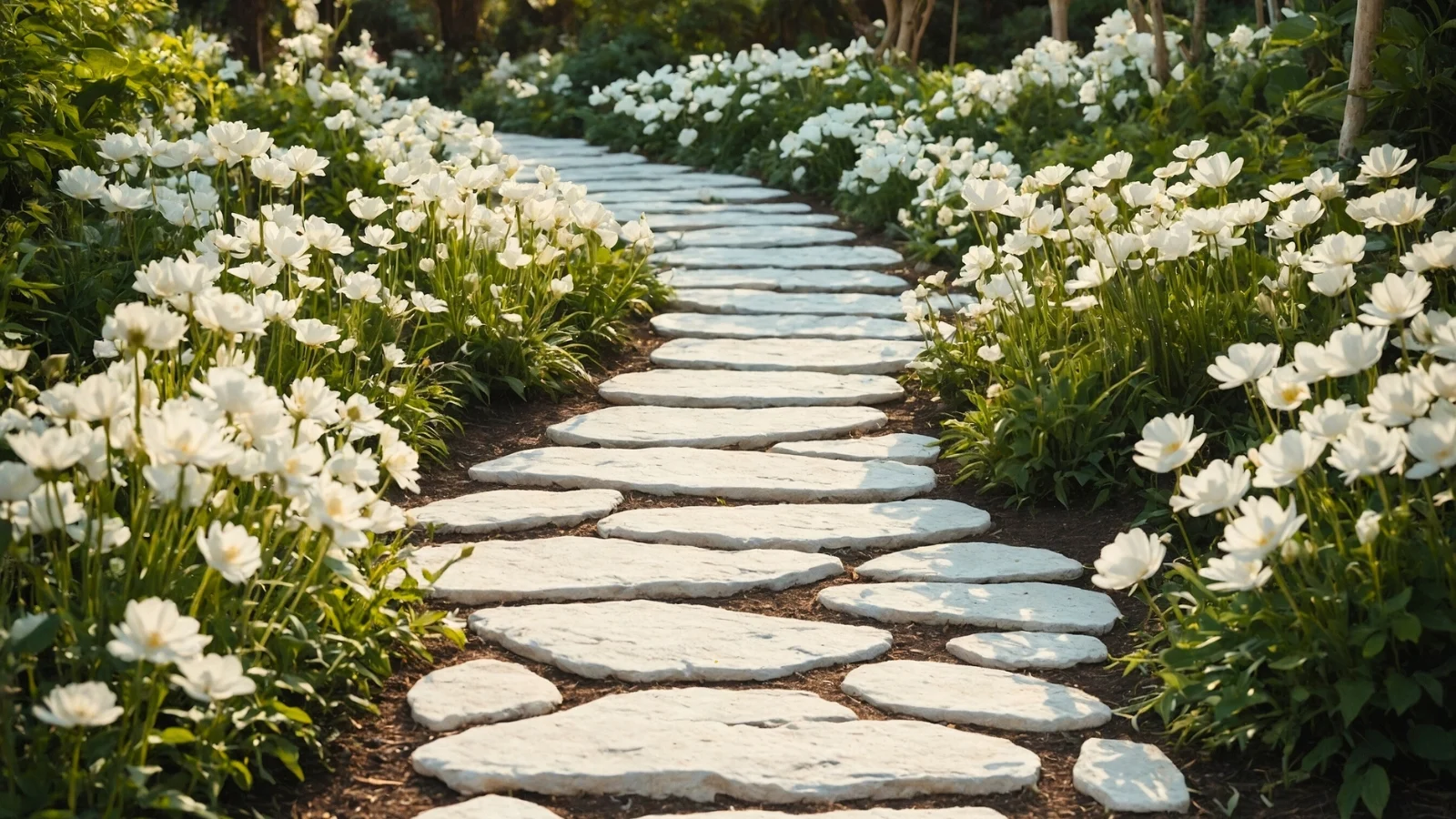
The choice of material affects the style, durability, and comfort of the path. Natural stone looks organic, withstands temperature fluctuations and load, blends well with lawns, flower beds, and ponds, and suits classical and Japanese gardens. Paving stones and tiles allow for clear lines, geometric patterns, and visual accents, ideal for modern European styles, and can be easily combined with other garden elements. Wooden decks create coziness and comfort, especially near gazebos and ponds, fitting naturally into rustic styles, but require regular maintenance and protective treatments. Gravel, crushed stone, and sand provide a soft, natural look, are easy to install, and allow flexible route shaping. These materials also ensure good drainage, preventing waterlogging.
Combining materials opens up additional design possibilities. Stone slabs on a gravel base create the effect of a natural path, wooden decks with concrete inserts highlight leisure zones, and tiles in lawns form a soft transition between areas. Stone borders, ornamental shrubs, and low-growing plants along the route make the path part of the overall composition, while thoughtful lighting allows the garden to be used in the evening and enhances its aesthetic appeal.
Planning and Creating Paths
Planning the route is a crucial step. It’s important to determine which garden zones should be connected and how people will move through the plot. Straight lines suit formal gardens and high-traffic areas, while winding routes create a natural walking effect, visually expand space, and form interesting views from different points. At Ecolandscape Studio, we recommend marking the route with stakes or on a plot plan to assess walking convenience and visual harmony.
Laying a path begins with preparing the base: leveling the surface, creating a drainage layer if necessary, and installing edge elements to maintain the shape of the material. Next, the main material is selected and laid, and decorative elements, plants, and lighting can be added as needed.
Maintenance and Safety
Paths require regular upkeep. Stone and tiled surfaces should be cleaned of dirt and moss, with joints and coverings checked for integrity. Wooden decks should be treated with antiseptics and inspected for board condition. Gravel and sand require replenishment, leveling, and edge control.
Safety is an important aspect. For areas with high moisture or slopes, non-slip materials should be used. In gardens with children and pets, eco-friendly and soft surfaces are preferable.
Garden paths unite all areas of the plot, create visual lines, and emphasize the garden’s style. At the Ecolandscape Studio blog, we recommend a comprehensive approach to path design: consider materials, route shape, combination with plants and small architectural elements, and maintenance requirements. Following these guidelines will help you create a garden where every detail is thoughtfully planned, and walking through it becomes a pleasure.