In landscape design, there are elements that not only beautify a space but also carry deep symbolic meaning. One such element is the pagoda an architectural structure with a rich history and distinctive aesthetic, originating from East and Southeast Asian countries. At Ecolandscape Studio, we often share our experience of how traditional elements can harmoniously fit into a modern garden. Today, we’ll discuss the different types of pagodas, how to use them, and the advice we give our clients when creating gardens featuring these remarkable architectural objects.
Historical Value and Contemporary Relevance
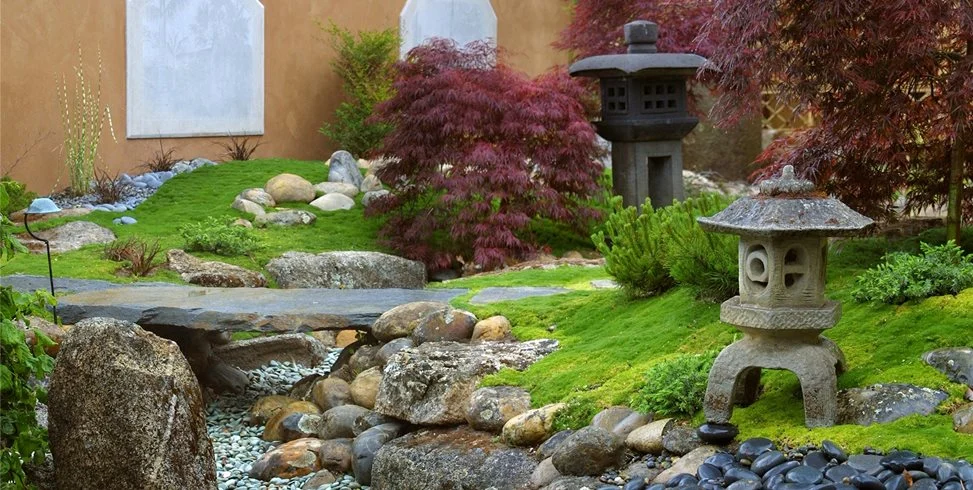
Pagodas were originally built as extensions of temple architecture and stupas in India, China, Japan, and Korea. Their multi-tiered roofs symbolized spiritual ascent, while their placement within gardens emphasized the harmony between humans and nature. In Japanese gardens, pagodas were often used for meditation and contemplation, whereas in Chinese gardens, they became central elements of the composition, visually connecting different areas of the property.
According to the founder and CEO of Ecolandscape Studio, Martina Palma, “My personal revelation was discovering how the multi-tiered structure of a pagoda helps organize space and sets the rhythm of the garden, creating a sense of calm and harmony.” This experience inspired us to include pagodas in modern landscape projects, blending tradition with contemporary design solutions.
Variety of Forms and Types of Pagodas
In modern landscape design, pagodas can take many forms, and the choice depends on the garden’s purpose and scale. The most familiar to the eye is the classic Eastern pagoda a multi-tiered structure with graceful roofs and expressive contours. It is ideal for large plots or park areas, where a visual focal point is needed.
For smaller urban gardens or courtyards, we recommend mini-pagodas. They are compact, decorative, and do not overwhelm the space while retaining the characteristic Eastern style. Such structures can serve as small gazebos or resting areas, with their shape and color selected to harmonize with surrounding vegetation and other decorative elements.
Among modern interpretations are modular and stylized pagodas made from metal, glass, or composite materials. These are visually lighter yet retain the recognizable silhouette, allowing for the integration of lighting, irrigation, or even solar panels. Such designs are especially relevant for contemporary urban spaces, where aesthetics and functionality must coexist.
Another interesting option is gazebo-style pagodas, which not only enhance the garden but also serve a practical purpose: they become the center of a relaxation area, a tea ceremony, or family gatherings. In these cases, we recommend placing them in the shade of trees or near water features to create the most comfortable and relaxing environment.
How to Use Pagodas in the Landscape
A pagoda is not just a decorative object. At Ecolandscape Studio, we always consider it as an element that helps organize the entire garden. Thoughtful placement allows the creation of compositional axes and visual focal points, around which paths, ponds, and flower beds are arranged.
We also pay attention to lighting: soft accents in the evening highlight architectural details, creating a cozy atmosphere and adding depth to the composition. Using various materials wood, stone, metal, or glass allows us to combine traditional aesthetics with practicality and durability.
Pagodas and the Philosophy of Ecolandscape Studio
For us at Ecolandscape Studio, a pagoda symbolizes harmony, respect for traditions, and an understanding of nature. We believe that properly integrating this element connects history with modernity, aesthetics with functionality. By using pagodas, we create spaces that inspire and soothe, combining minimalism, eco-friendliness, and convenience.